
 English
 русский
 Español
Color Magnetic Stick And Buck Ball Set, Educational Decompression And Multi-Shape Building Block Toy
The Color Magnetic Stick and Bucky Ball Set is a versatile and engaging educational toy designed to enhance spatial imag...
See Details
Magnetic sticks are widely used in industrial, laboratory, and household applications. From separating metal particles in liquids to stirring solutions in laboratories, they serve practical purposes across many fields. An Magnetic Sticks Factory plays a crucial role in producing these tools to meet consistent performance and safety standards.
A Magnetic Sticks Factory specializes in producing rods, bars, and sticks with embedded magnets or magnetic coatings. These products need precise magnetic strength and durability for repeated use. Factories must consider both the type of magnet material and the casing to ensure safety and longevity.
In addition to industrial clients, many laboratories and workshops rely on uniform magnetic sticks for everyday operations. The consistency in size, magnetic strength, and coating directly impacts usability and reliability.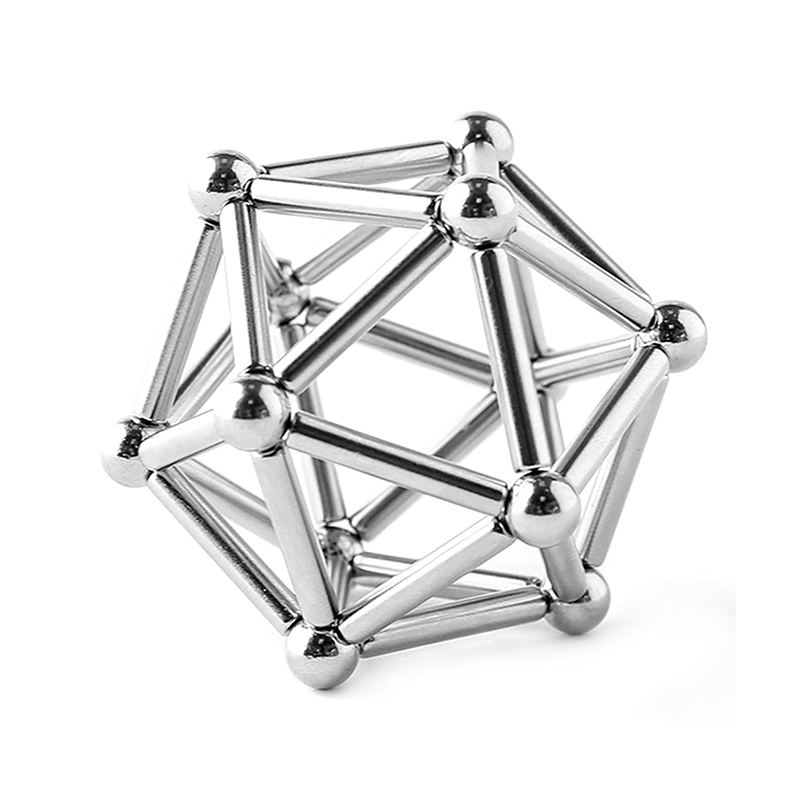
Material choice is critical in manufacturing magnetic sticks. Common options include stainless steel, plastic-coated metal, or epoxy-coated magnets. An effective Magnetic Sticks Factory selects materials based on corrosion resistance, mechanical strength, and compatibility with the intended environment.
The production process typically involves magnet assembly, casing or coating application, and heat treatment. Precision is key. Slight variations in the magnetic core or outer coating can reduce efficiency or cause the stick to wear prematurely.
Quality control is integrated throughout production. A Magnetic Sticks Factory often performs magnetic strength tests, dimensional inspections, and surface checks before products leave the facility. Sample sticks may be tested in actual liquids or industrial environments to ensure they perform as expected.
These checks are not just about durability. They also prevent hazards such as magnet detachment or chemical reactions with coatings. Consistent quality is essential for building trust with repeat buyers.
Design plays an important role in usability. Magnetic sticks must be easy to handle, lightweight, and resistant to corrosion or scratches. Some sticks are fully coated to prevent direct contact with liquids, while others are partially coated for stronger magnetic performance.
An effective Magnetic Sticks Factory balances these design aspects with functional requirements. Adjustable lengths, varying diameters, and ergonomic grips may also be included to suit different applications.
Different industries have unique requirements. A Magnetic Sticks Factory may offer customization options, including magnetic strength, stick length, coating type, or packaging. This flexibility allows distributors and industrial buyers to choose products that fit specific processes or laboratory setups.
Customization also supports bulk orders and large projects, where consistency across multiple units is essential. Manufacturers can work closely with clients to ensure products meet both operational and regulatory standards.
For buyers, reliability and consistent supply are as important as product quality. Many Magnetic Sticks Factories maintain long-term relationships with industrial clients by providing technical support, clear specifications, and steady production schedules.
These relationships help buyers plan procurement, reduce downtime, and ensure that tools remain consistent over time. Feedback loops from end users also help factories refine designs for better performance.
A Magnetic Sticks Factory combines material expertise, precise production, and quality control to produce reliable magnetic tools for industrial and laboratory use. From design to testing, each stage ensures consistency and usability. Understanding how these factories operate helps buyers select magnetic sticks that are durable, safe, and well-suited for their specific needs.

The Color Magnetic Stick and Bucky Ball Set is a versatile and engaging educational toy designed to enhance spatial imag...
See Details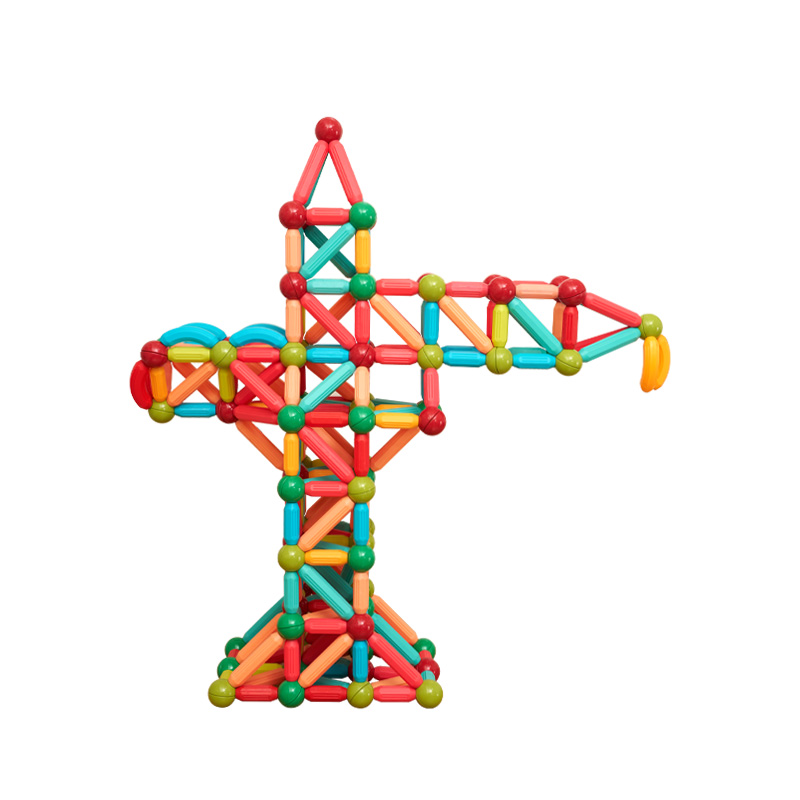
The Colorful Educational Magnetic Stick and Children's Magnetic Building Block Toy is an innovative and engaging toy des...
See Details
The Boxed Magnetic Stick and Bucky Ball Set is a versatile and engaging toy set designed for creativity and fun. This co...
See Details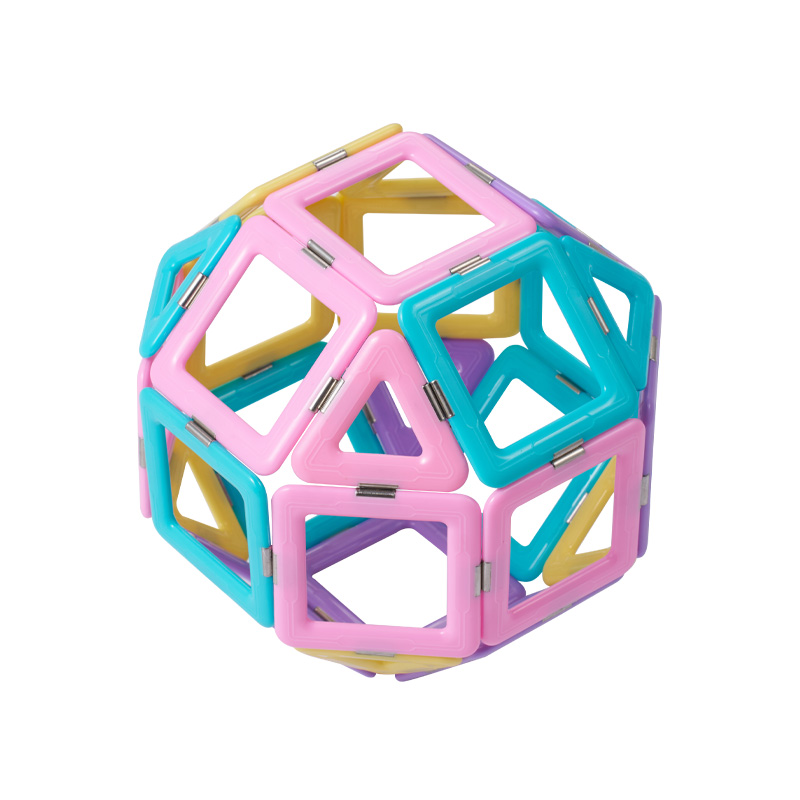
The Candy Color Magnetic Tiles Educational Toy for Children is an engaging and interactive set designed to promote creat...
See Details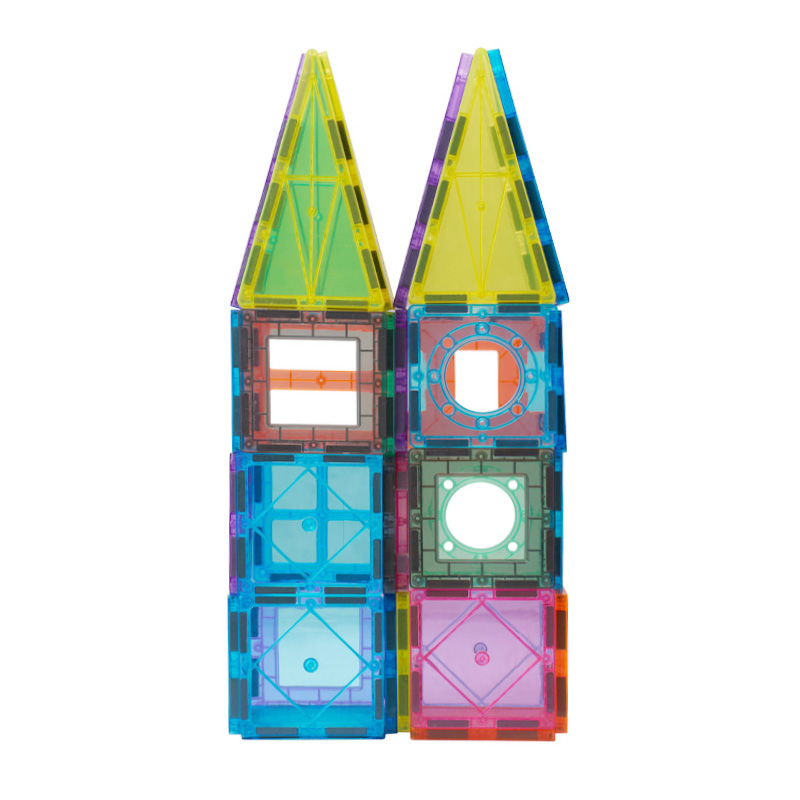
The Semi-transparent Color Window Magnetic Tiles are designed with ABS material, ensuring a smooth, rounded finish that ...
See Details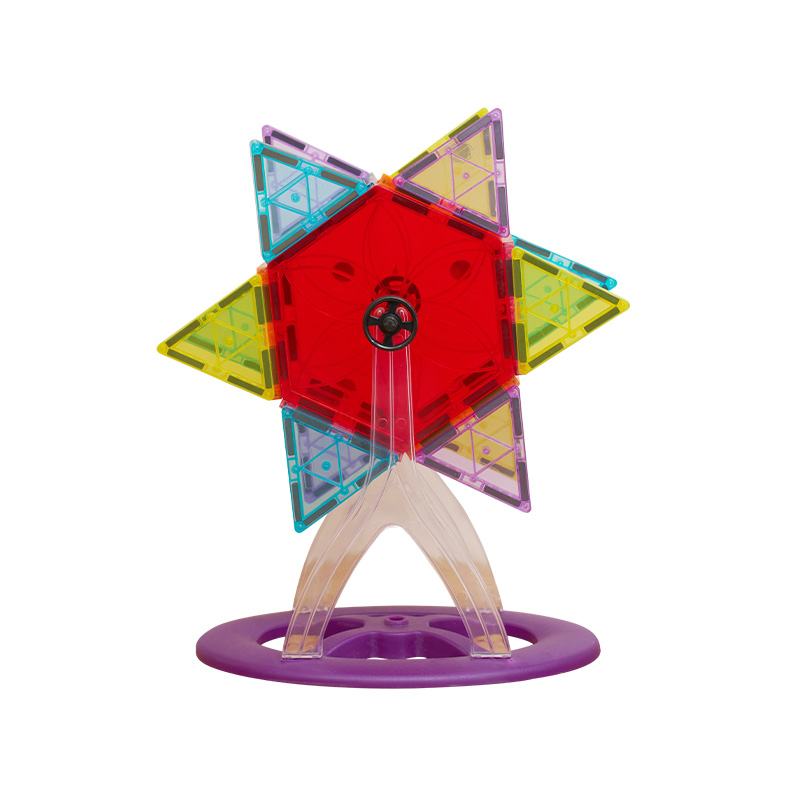
The Transparent Color Ferris Wheel Rotating Magnetic Tiles offer a creative and interactive play experience. Designed to...
See Details
Copyright © Jinhua Xinli Magnetic Industry and Trade Co., Ltd. All Rights Reserved.

Magnet Easy Toy Manufacturer