
 English
 русский
 Español
Color Magnetic Stick And Buck Ball Set, Educational Decompression And Multi-Shape Building Block Toy
The Color Magnetic Stick and Bucky Ball Set is a versatile and engaging educational toy designed to enhance spatial imag...
See Details
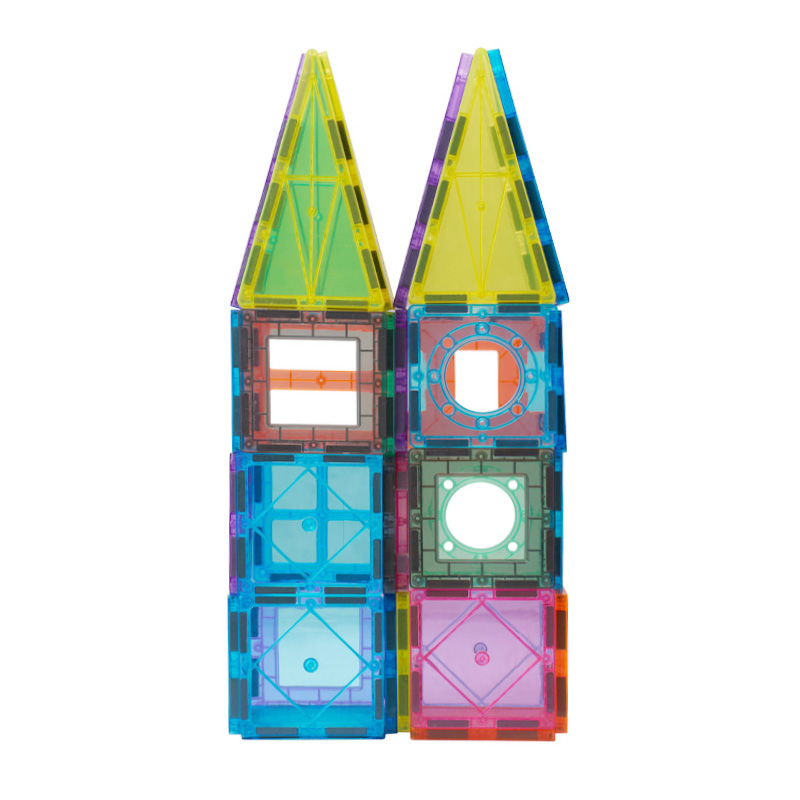
In many households, playtime has evolved far beyond simple toys and stuffed animals. Among modern educational toys, Magna Tiles stand out for their ability to combine fun with hands-on learning. These colorful, magnetic building pieces allow children—and sometimes adults—to explore shapes, structures, and balance in ways that feel both natural and engaging.
But what makes Magna Tiles more than just another toy on the shelf?
Magna Tiles encourage exploration of geometry and spatial reasoning without formal instruction. Children can snap pieces together to form squares, triangles, and more complex shapes. Over time, they begin to understand concepts like symmetry, angles, and even stability.
The beauty of Magna Tiles lies in their simplicity. While there are no instructions that must be followed, the magnets guide pieces into alignment, giving young builders a sense of accomplishment even on their first attempts. This combination of guidance and freedom fosters confidence while developing fine motor skills.
Unlike toys with fixed outcomes, Magna Tiles promote open-ended play. Children can follow their imagination rather than a preset design. They might build a castle one day, a spaceship the next, or a small city with roads and bridges.
This open-endedness supports creative thinking. As children experiment with different arrangements, they begin to predict how pieces will fit together and how structures can be stabilized. They also learn problem-solving through trial and error, a skill that carries over to other learning environments.
Magna Tiles are not limited to solo play. They can easily support cooperative building among siblings, friends, or in classroom settings. Working together on a single structure encourages communication and negotiation. Children learn to share pieces, discuss ideas, and manage turns while constructing larger designs.
Even small groups can explore engineering principles in a hands-on way. For instance, when building taller structures, children discover balance and weight distribution firsthand. The collaborative aspect also nurtures empathy and teamwork—qualities that extend beyond the playroom.
One practical advantage of Magna Tiles is their portability. The lightweight pieces can be gathered, stored in a bin, and moved to different areas of the house or classroom. Unlike traditional building blocks, Magna Tiles do not require a flat surface to remain assembled; magnetic connections hold structures together, allowing play in creative orientations.
The versatility of Magna Tiles also makes them suitable for various ages. While young children enjoy basic stacking, older children can challenge themselves with complex geometric constructions. Some parents even use them to illustrate concepts in STEM lessons at home, turning playtime into an informal educational experience.
Magna Tiles represent more than a collection of magnetic shapes—they are tools for experimentation, imagination, and discovery. Children gain confidence as they see ideas take shape in three dimensions, and parents or educators can witness learning happening naturally.
In a world where many toys emphasize screens or passive entertainment, Magna Tiles offer a tactile, hands-on alternative. They blend learning with enjoyment, making playtime a rich, interactive experience. Perhaps it is time to ask: are Magna Tiles shaping the way children understand space, design, and creativity in everyday life?
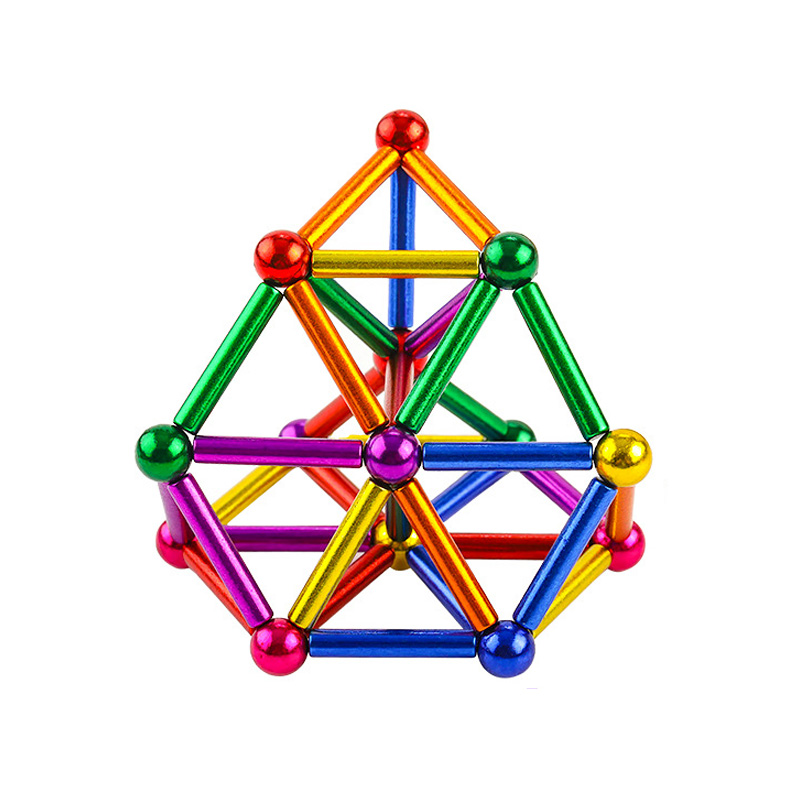
The Color Magnetic Stick and Bucky Ball Set is a versatile and engaging educational toy designed to enhance spatial imag...
See Details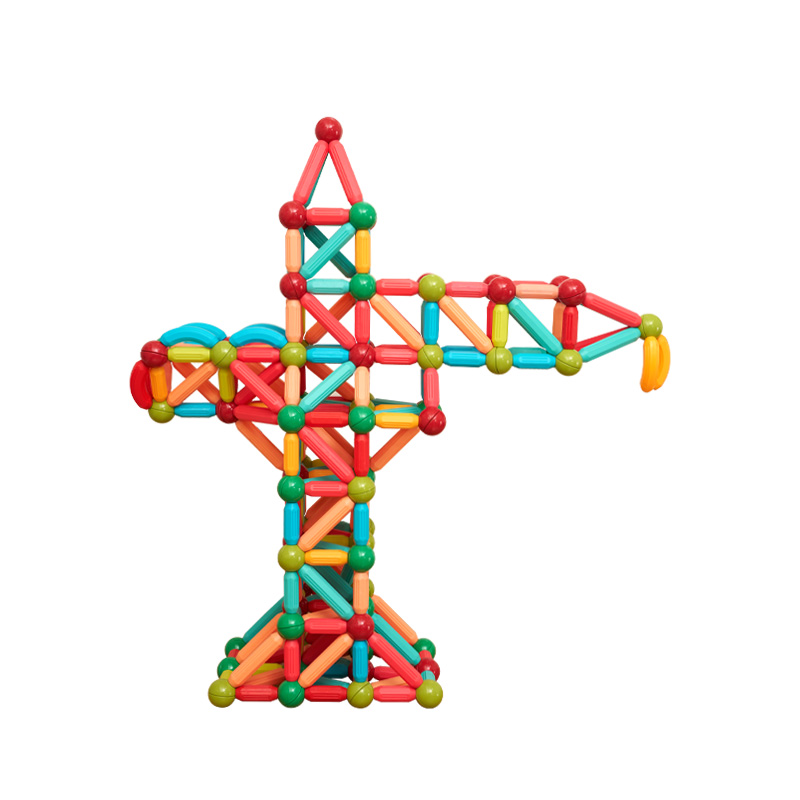
The Colorful Educational Magnetic Stick and Children's Magnetic Building Block Toy is an innovative and engaging toy des...
See Details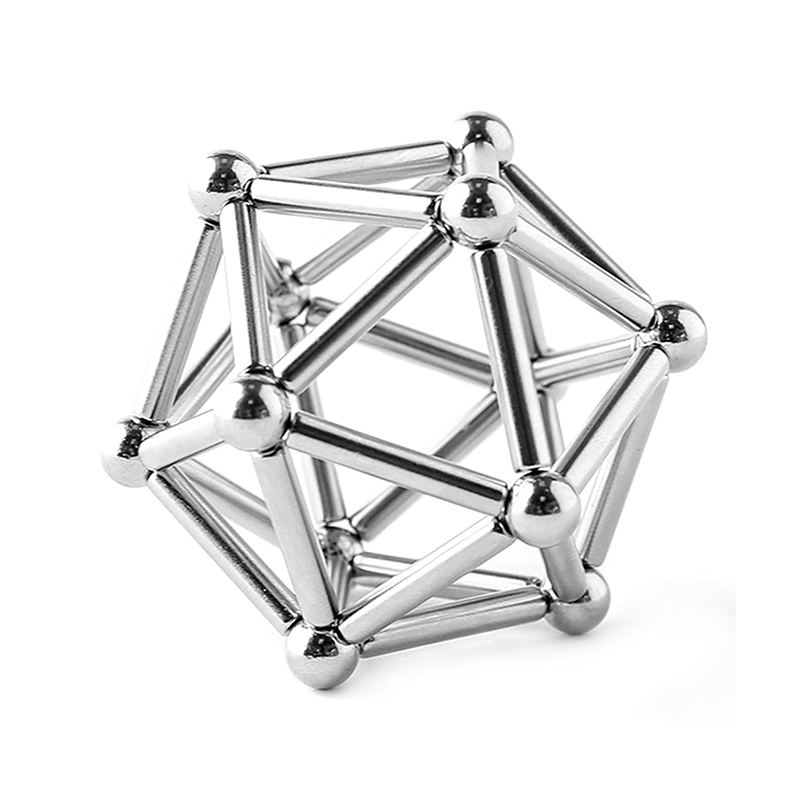
The Boxed Magnetic Stick and Bucky Ball Set is a versatile and engaging toy set designed for creativity and fun. This co...
See Details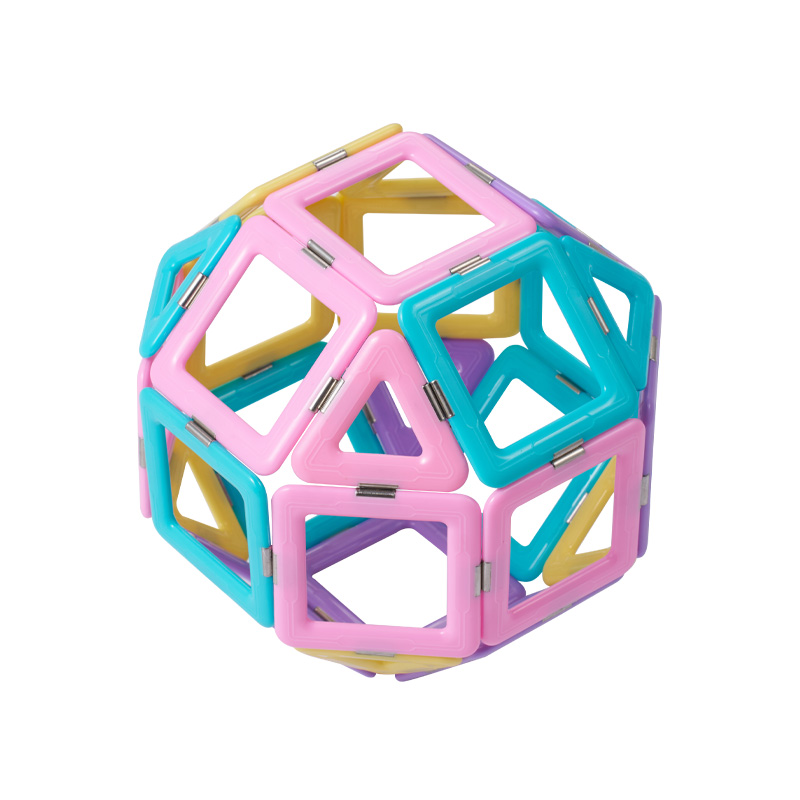
The Candy Color Magnetic Tiles Educational Toy for Children is an engaging and interactive set designed to promote creat...
See Details
The Semi-transparent Color Window Magnetic Tiles are designed with ABS material, ensuring a smooth, rounded finish that ...
See Details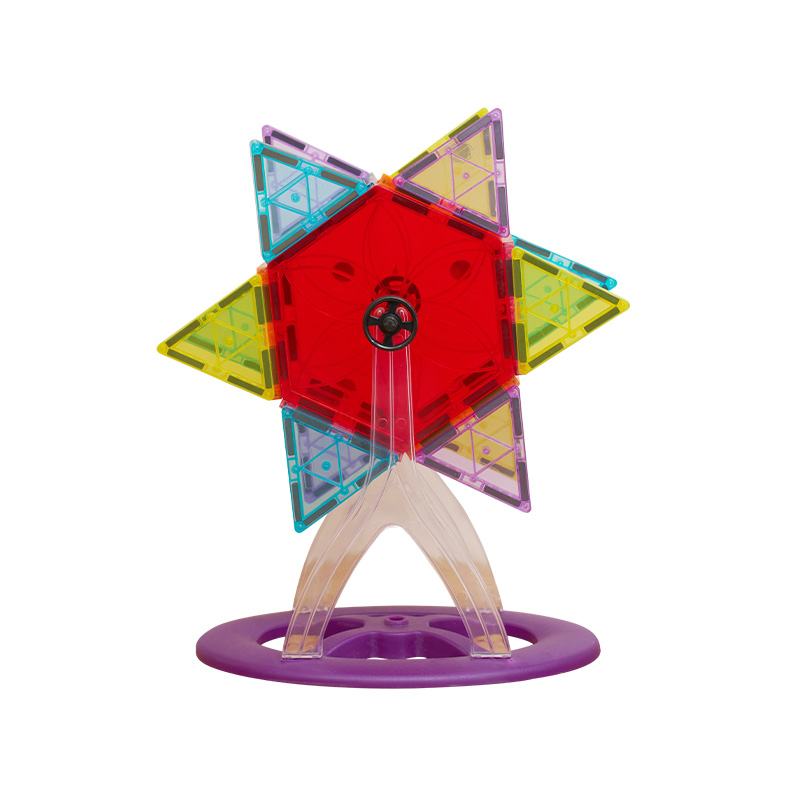
The Transparent Color Ferris Wheel Rotating Magnetic Tiles offer a creative and interactive play experience. Designed to...
See Details
Copyright © Jinhua Xinli Magnetic Industry and Trade Co., Ltd. All Rights Reserved.

Magnet Easy Toy Manufacturer