
 English
 русский
 Español
Color Magnetic Stick And Buck Ball Set, Educational Decompression And Multi-Shape Building Block Toy
The Color Magnetic Stick and Bucky Ball Set is a versatile and engaging educational toy designed to enhance spatial imag...
See Details
Bulk purchasing decisions for children's toys involve more than comparing designs, colors, and quoted prices. Safety requirements, material consistency, packaging specifications, and supplier communication all influence the purchasing process. These factors become particularly important for magnetic play toys, where the quality of magnetic components and their attachment methods directly affect product safety and long-term usability.
At Xinli, we understand that importers, wholesalers, educational suppliers, and toy distributors need reliable information before placing large orders. A magnetic toy set may contain multiple connecting pieces, plastic components, metal elements, and small magnets. Each component requires attention during product evaluation and manufacturing coordination.
Rather than focusing entirely on appearance, buyers should establish clear purchasing criteria before confirming an order. The following considerations can help distributors evaluate product suitability, reduce sourcing uncertainty, and establish more consistent cooperation with a toy manufacturer.

Magnet safety deserves particular attention during the purchasing process. Small, powerful magnets may present serious ingestion hazards when they become detached from a toy. Products intended for children therefore require appropriate design controls, testing, and warning information according to their target market.
For the US market, ASTM F963 is incorporated into the mandatory children's toy safety requirements under 16 CFR Part 1250. Its Section 4.38 addresses magnets, including loose or detachable magnetic components. Products manufactured after April 20, 2024, are subject to ASTM F963-23.
Buyers should review the following points before confirming a bulk purchase:
At Xinli, we recognize that safety documentation is an important part of B2B sourcing communication. Buyers should identify the destination market and intended age group before requesting applicable test reports and compliance documents. Requirements can differ according to product classification and distribution conditions.
The internal construction of a magnetic toy is not always visible from product photographs. However, the way magnets are installed can influence durability, assembly performance, and safety during repeated handling.
Magnetic building sets commonly use plastic rods, connecting balls, geometric blocks, or other components. The internal magnetic arrangement determines how individual pieces connect and how easily children can construct different shapes.
During supplier evaluation, buyers should pay attention to several construction details:
For wholesale orders, sample evaluation should cover multiple pieces rather than a single assembled structure. This provides a clearer picture of component consistency and helps buyers identify possible differences between individual units.
Material selection affects the appearance, weight, durability, and manufacturing consistency of magnetic construction toys. Plastic housings, connecting rods, magnetic elements, and decorative surfaces may involve different material requirements.
ABS plastic is commonly used in toy components because it offers a combination of rigidity, impact resistance, and molding flexibility. Other plastics may also be suitable depending on the intended structure and manufacturing design.
Buyers should request clear material information instead of relying entirely on general descriptions such as durable plastic or premium materials.
The following specifications can be included in a purchasing checklist:
Material documentation also supports communication between the buyer and manufacturer. A written specification sheet can help prevent misunderstandings during sampling, production, and subsequent repeat orders.
Age grading influences product design, packaging information, safety assessment, and marketing decisions. A magnetic construction set intended for older children may have different component dimensions and complexity compared with a product designed for younger users.
Distributors should avoid relying on general descriptions such as suitable for children. The intended age range should be clearly established and supported by the relevant product assessment.
Several details deserve attention:
At Xinli, we consider target-market information an important part of product specification discussions. Clear age grading helps buyers coordinate product selection, compliance assessment, and packaging preparation before bulk production.
Magnetic toys are often sold as complete construction sets rather than individual components. The number and combination of pieces can influence the product's intended use, retail positioning, and inventory planning.
A compact set may contain basic magnetic rods and connecting elements, while a larger configuration may include additional shapes and accessories for more complex construction activities.
Before purchasing, buyers should request a detailed bill of materials or component list. This document should identify the quantity and type of each part included in one retail package.
Important details include:
Accurate component information helps distributors calculate inventory requirements and compare quotations across different suppliers. It also provides a reference for incoming goods inspection and package completeness checks.
Packaging is another important consideration in international toy procurement. Magnetic construction sets may contain numerous individual components, making organized packaging necessary for storage, transportation, and retail presentation.
Buyers should communicate their packaging requirements before production begins. Different sales channels may require different packaging arrangements, such as retail display boxes, color cartons, or bulk packaging for distribution warehouses.
Key packaging considerations include:
Packaging decisions should also reflect the distributor's warehousing and retail requirements. A clearly organized package can simplify stock handling and reduce the time spent checking individual sets during warehouse operations.
Quality consistency is particularly relevant to bulk toy orders containing multiple component types. A small difference in molding quality, magnet placement, color, or package contents can become more noticeable across a large shipment.
At Xinli, we recognize the importance of establishing clear quality expectations between the buyer and manufacturer. An agreed inspection checklist gives both parties a common reference during production and shipment preparation.
A practical inspection plan may cover the following areas:
Inspection frequency and sampling quantities should be agreed upon according to the order configuration, product risk, and applicable quality requirements. Safety-related compliance testing should not be replaced by routine visual inspection.
A competitive quotation is only one part of a successful sourcing arrangement. Buyers also need a manufacturer that can communicate product specifications, clarify production requirements, and coordinate packaging and quality expectations.
Before establishing a purchasing relationship with a magnetic toy supplier, distributors should discuss several operational details:
Clear communication is particularly valuable for distributors managing several product models or supplying different retail channels. Written specifications and approved samples help maintain consistency between purchasing agreements and delivered goods.
Organizing purchasing requirements in advance makes supplier communication more efficient. Rather than requesting a general price for a magnetic toy set, buyers can provide a structured product brief containing the details needed for an accurate quotation.
Xinli recommends including the following information in the initial purchasing discussion:
This information gives the manufacturer a clearer understanding of the requested product and helps both parties identify technical or commercial details that need further confirmation.

The Color Magnetic Stick and Bucky Ball Set is a versatile and engaging educational toy designed to enhance spatial imag...
See Details
The Colorful Educational Magnetic Stick and Children's Magnetic Building Block Toy is an innovative and engaging toy des...
See Details
The Boxed Magnetic Stick and Bucky Ball Set is a versatile and engaging toy set designed for creativity and fun. This co...
See Details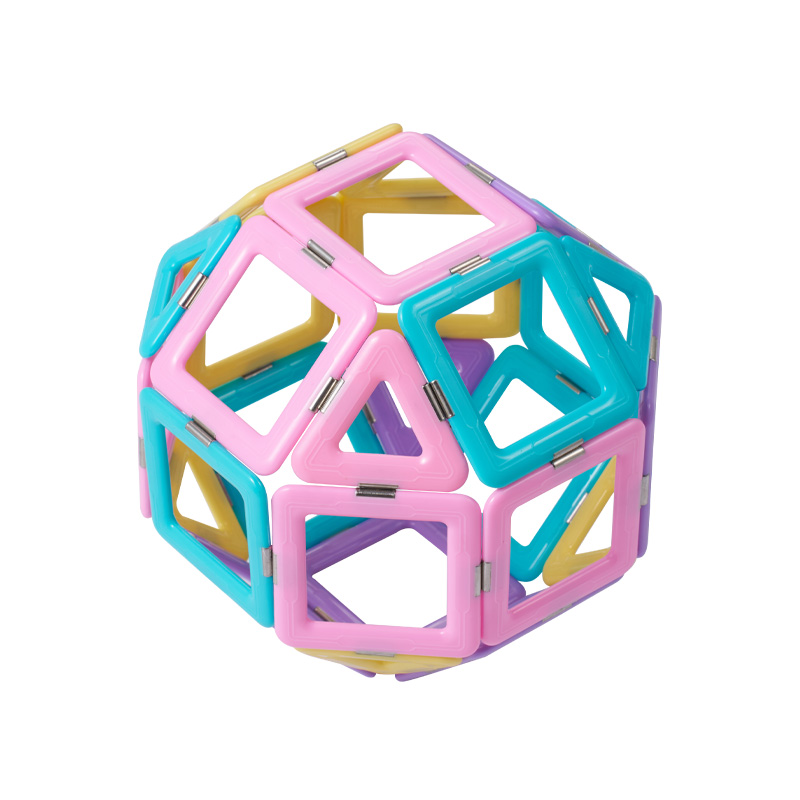
The Candy Color Magnetic Tiles Educational Toy for Children is an engaging and interactive set designed to promote creat...
See Details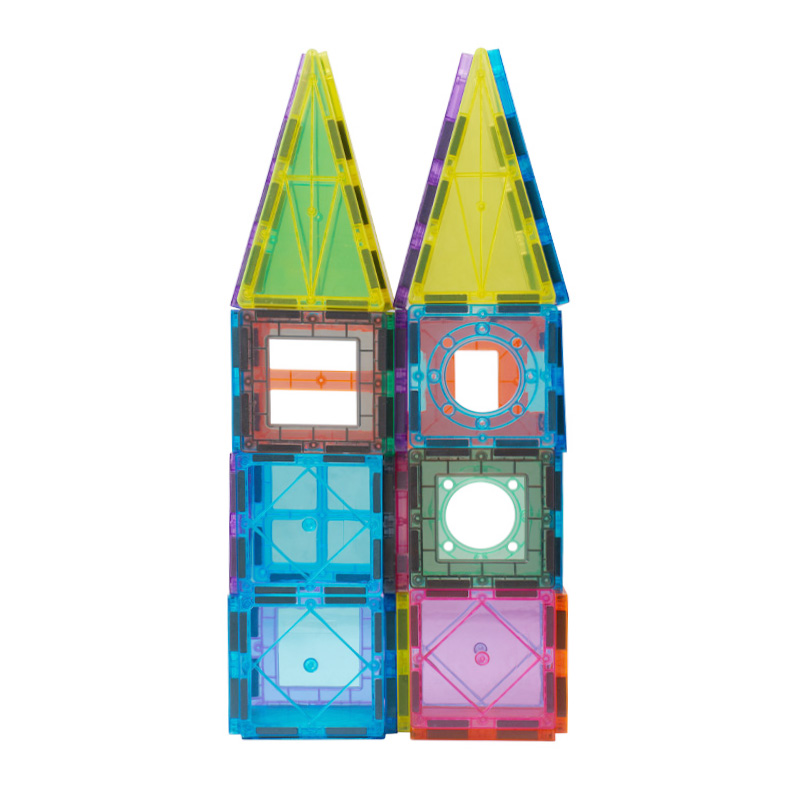
The Semi-transparent Color Window Magnetic Tiles are designed with ABS material, ensuring a smooth, rounded finish that ...
See Details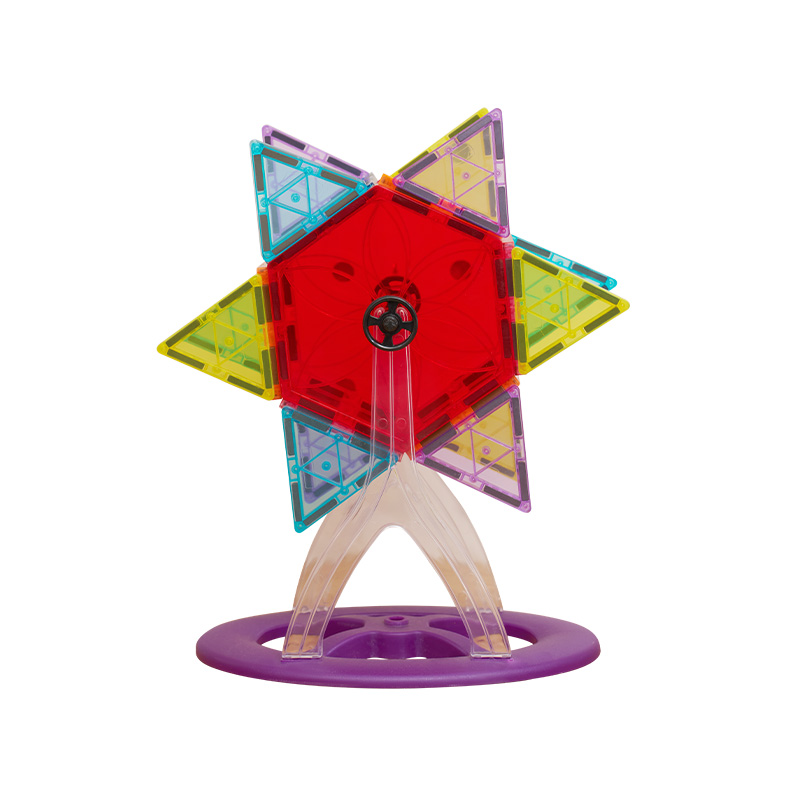
The Transparent Color Ferris Wheel Rotating Magnetic Tiles offer a creative and interactive play experience. Designed to...
See Details
Copyright © Jinhua Xinli Magnetic Industry and Trade Co., Ltd. All Rights Reserved.

Magnet Easy Toy Manufacturer