
 English
 русский
 Español
Color Magnetic Stick And Buck Ball Set, Educational Decompression And Multi-Shape Building Block Toy
The Color Magnetic Stick and Bucky Ball Set is a versatile and engaging educational toy designed to enhance spatial imag...
See Details
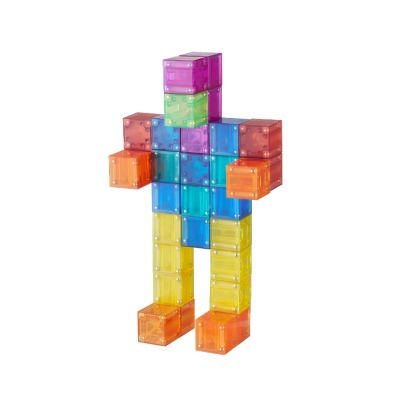
Children's play has always been a gateway to learning, and toys that combine fun with creativity are increasingly valued. Among these, Magna Tiles stand out as a simple yet engaging tool that can support a wide range of skills. Unlike conventional toys that come with a single purpose, Magna Tiles encourage open-ended play where the child sets the rules and explores possibilities.
Magna Tiles are colorful, geometric building tiles that connect using magnets along their edges. They allow children to construct two-dimensional and three-dimensional shapes without glue or screws. This simplicity hides a deeper learning potential: spatial reasoning, hand-eye coordination, and basic principles of geometry all become part of the play.
A typical set includes squares, triangles, and occasionally other shapes, enabling a variety of combinations. The magnetic edges keep structures stable while also allowing easy rearrangement, making experimentation less frustrating for young builders.
One of the most interesting aspects of Magna Tiles is their flexibility. Children are free to experiment with patterns, towers, bridges, and abstract designs. Because there is no single “right” way to use them, children often explore multiple attempts and solutions, which can nurture both persistence and creative thinking.
Play can take many forms. Some children may focus on architectural structures, while others might combine tiles with storytelling, assigning roles to the shapes or creating imaginary cities. In either case, the tiles become a medium for expressing ideas.
Magna Tiles are often praised for their subtle educational benefits. As children stack and arrange tiles, they learn about balance, symmetry, and geometric relationships. Early math skills are introduced naturally, as children compare shapes, count sides, and explore angles.
Moreover, group play with Magna Tiles promotes communication and collaboration. Children negotiate ideas, share building strategies, and sometimes solve small conflicts over design decisions. This type of interactive play builds social skills alongside cognitive development.
Another notable advantage of Magna Tiles is their durability. Most sets are made from high-quality, non-toxic plastic, which allows them to withstand repeated use. Parents appreciate the low-maintenance nature of these tiles—they are easy to clean, and pieces rarely break.
Versatility also extends beyond home play. Educators often use Magna Tiles in classrooms to illustrate concepts in math, science, and art. Simple additions such as ramps or wheels can enhance the educational scope, connecting basic physics concepts with hands-on learning.
While Magna Tiles are intuitive, a few approaches can make playtime even more enriching:
Though small and colorful, Magna Tiles contribute to skills that extend well beyond playtime. Spatial awareness, logical thinking, creativity, and social collaboration are all nurtured through open-ended building. They provide an engaging platform where learning is incidental, emerging naturally through hands-on exploration.
For both parents and educators, Magna Tiles offer a tool that is simple in design but rich in potential. By creating an environment where experimentation is encouraged, children can discover the joy of building, imagining, and learning simultaneously.
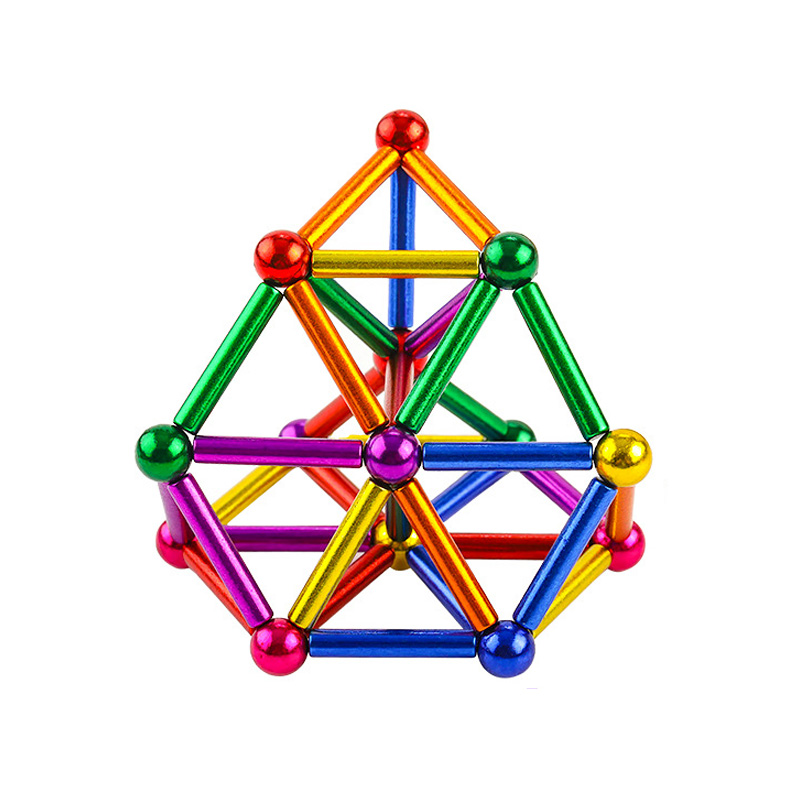
The Color Magnetic Stick and Bucky Ball Set is a versatile and engaging educational toy designed to enhance spatial imag...
See Details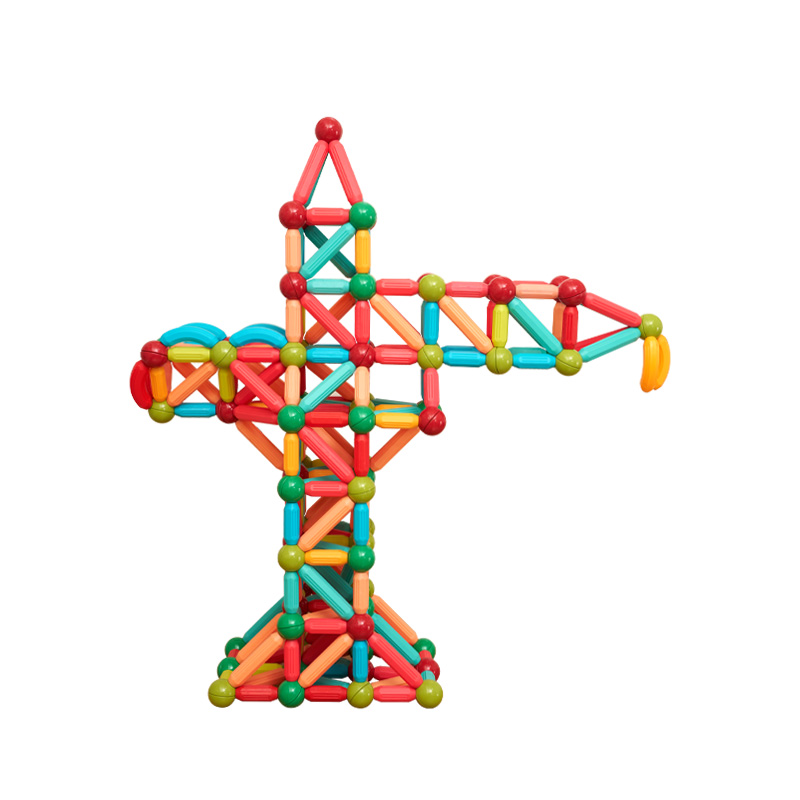
The Colorful Educational Magnetic Stick and Children's Magnetic Building Block Toy is an innovative and engaging toy des...
See Details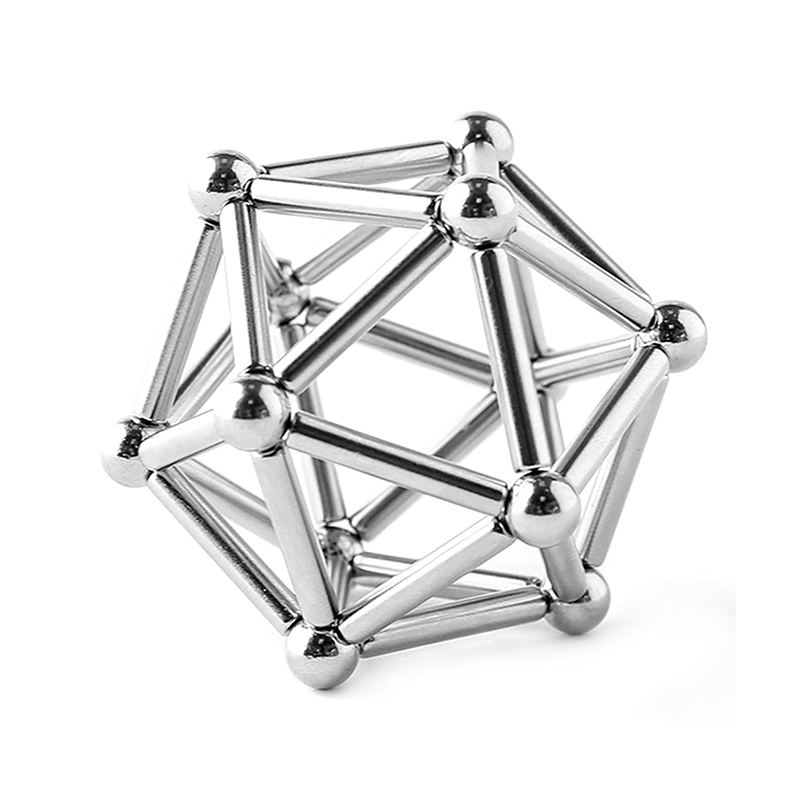
The Boxed Magnetic Stick and Bucky Ball Set is a versatile and engaging toy set designed for creativity and fun. This co...
See Details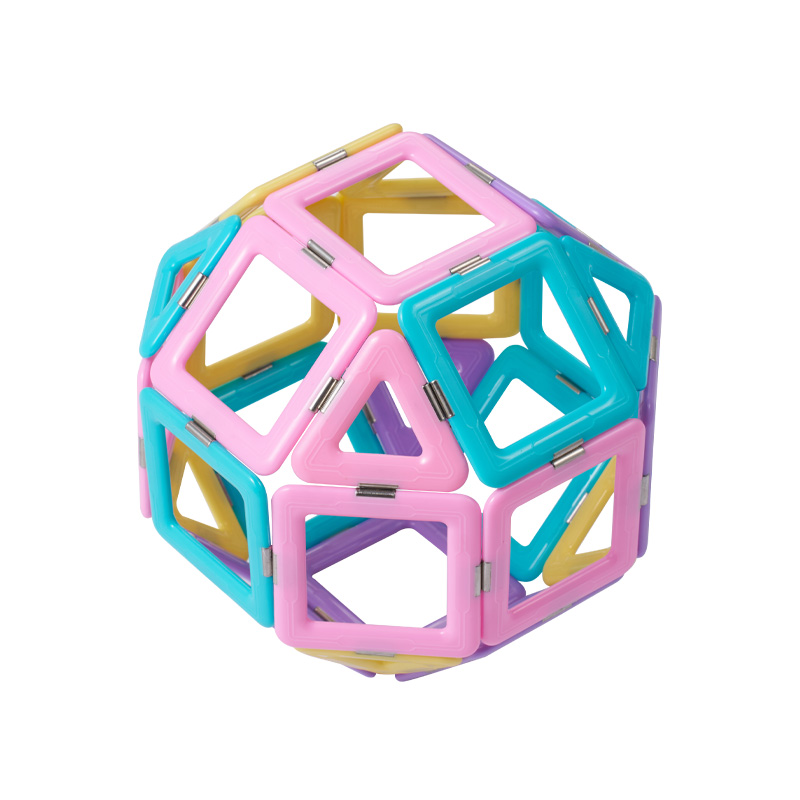
The Candy Color Magnetic Tiles Educational Toy for Children is an engaging and interactive set designed to promote creat...
See Details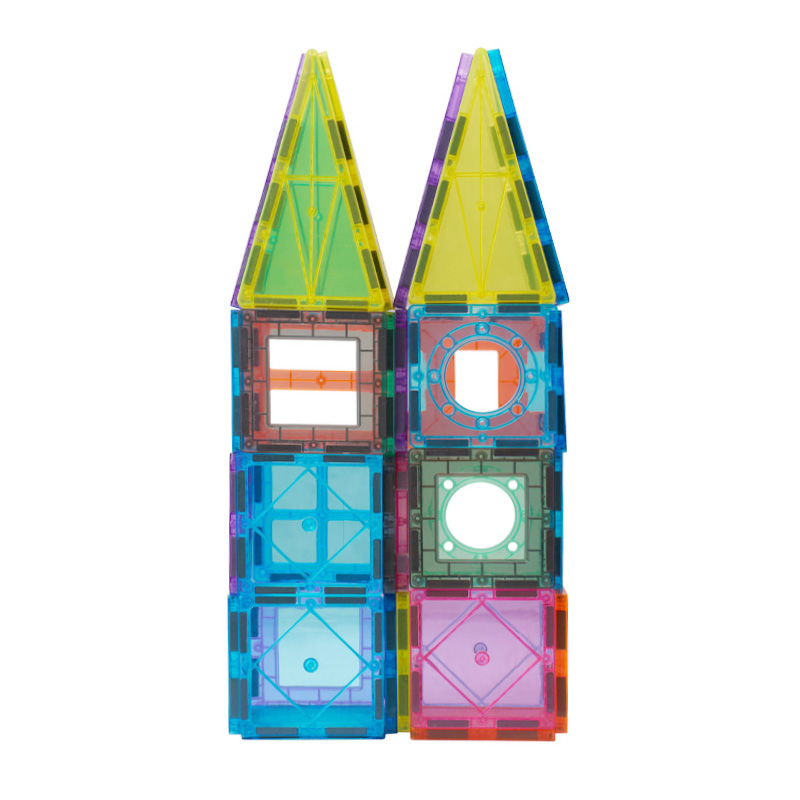
The Semi-transparent Color Window Magnetic Tiles are designed with ABS material, ensuring a smooth, rounded finish that ...
See Details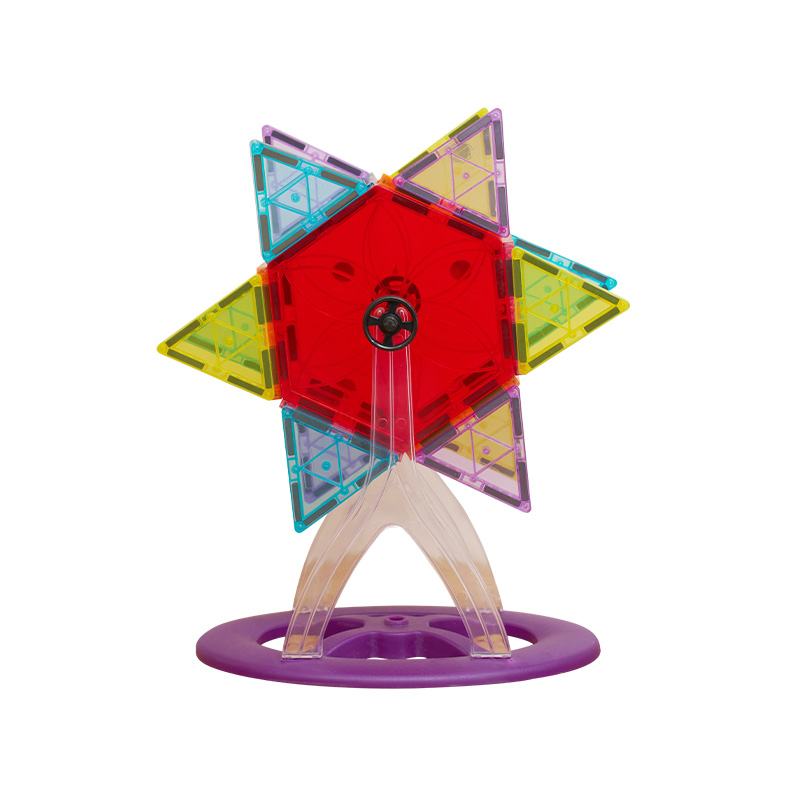
The Transparent Color Ferris Wheel Rotating Magnetic Tiles offer a creative and interactive play experience. Designed to...
See Details
Copyright © Jinhua Xinli Magnetic Industry and Trade Co., Ltd. All Rights Reserved.

Magnet Easy Toy Manufacturer