
 English
 русский
 Español
Color Magnetic Stick And Buck Ball Set, Educational Decompression And Multi-Shape Building Block Toy
The Color Magnetic Stick and Bucky Ball Set is a versatile and engaging educational toy designed to enhance spatial imag...
See Details
Retailers selling educational products, children's gifts, and construction toys often face a similar purchasing question: can one product range meet the expectations of every sales channel? At Xinli, we understand that different retailers serve different customers, price points, and shopping occasions. Our plastic magnetic building toys can be evaluated for various retail applications, but successful product planning requires more than comparing piece counts or packaging designs.
Specialty toy stores may prioritize construction possibilities, while online sellers need clear product images and descriptions. Gift shops may focus on presentation, and educational suppliers may require detailed specifications and safety documentation. Understanding these differences helps distributors build an assortment that matches their customers' needs.
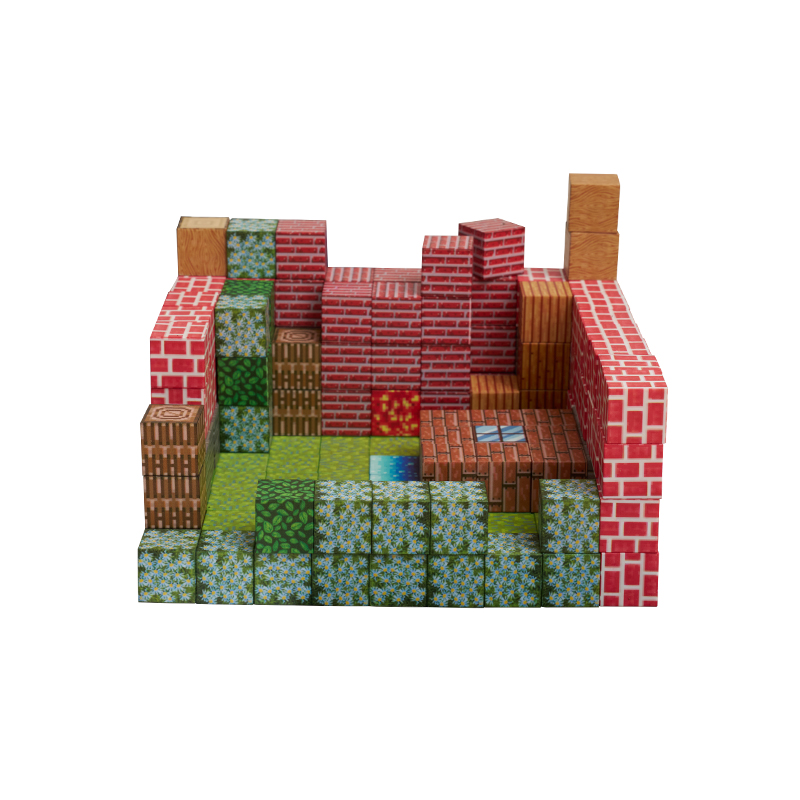
Each retail channel serves a different purchasing purpose. We recommend reviewing the target audience and expected product use before deciding which configurations to stock.
At Xinli, we encourage distributors to define their intended sales channels before requesting product quotations. This approach helps us discuss relevant configurations instead of treating every order as an identical purchasing project.
A retailer may serve beginners, experienced builders, parents, and educators at the same time. Carrying a carefully planned selection can address these different needs without making inventory management unnecessarily complicated.
Before expanding a product range, we suggest comparing the intended customer, package contents, selling price, and storage requirements for each proposed SKU. A clear assortment structure also makes it easier to plan replenishment and review sales performance.
Retail channel suitability depends on product compliance as well as customer demand. Magnetic components require particular attention because loose or accessible magnets can create serious ingestion hazards. Applicable requirements vary according to product design, age grading, intended use, and destination market.
For US-bound children's products, buyers should review the applicable requirements under the Consumer Product Safety Commission's toy safety guidance, including relevant provisions of ASTM F963. The CPSC explains that toy magnet requirements address small magnetic components and that applicable certification obligations must also be considered.
At Xinli, we recommend verifying the relevant documentation before confirming a retail launch. A product suitable for one market should not automatically be assumed to meet the requirements of another.
Packaging influences how customers understand a product and how retailers manage stock. However, attractive presentation should be supported by accurate product information.
Buyers can discuss packaging formats and available customization options with our team. Specific possibilities depend on the product model, order requirements, and applicable market rules.
A product range may appeal to customers but still be unsuitable for a particular retailer's purchasing model. Reviewing commercial details early helps distributors avoid unnecessary assortment complexity.
| Purchasing Factor | Questions to Review |
| Retail price range | Does the product fit the channel's target customer and expected spending level? |
| SKU variety | Can the assortment cover customer needs without creating excessive inventory complexity? |
| Packaging format | Does the package suit shelf display, online fulfillment, or institutional distribution? |
| Order conditions | Are pricing, order quantities, packaging options, and delivery arrangements confirmed? |
| Documentation | Can the required product information and compliance records be provided and verified? |
We advise buyers to compare the complete purchasing arrangement rather than focusing only on unit price. Packaging, product mix, documentation, and inventory requirements all contribute to the suitability of a retail assortment.
Plastic magnetic construction toys can serve different retail channels, but no single configuration should be assumed to fit every customer group. Specialty stores, educational distributors, gift retailers, and online sellers each have their own product presentation, documentation, and commercial requirements.
At Xinli, we work with buyers to discuss product configurations, packaging needs, and purchasing conditions according to their intended applications. Share your target market, sales channel, preferred set contents, and packaging requirements with our team to review available options for your distribution plan.

The Color Magnetic Stick and Bucky Ball Set is a versatile and engaging educational toy designed to enhance spatial imag...
See Details
The Colorful Educational Magnetic Stick and Children's Magnetic Building Block Toy is an innovative and engaging toy des...
See Details
The Boxed Magnetic Stick and Bucky Ball Set is a versatile and engaging toy set designed for creativity and fun. This co...
See Details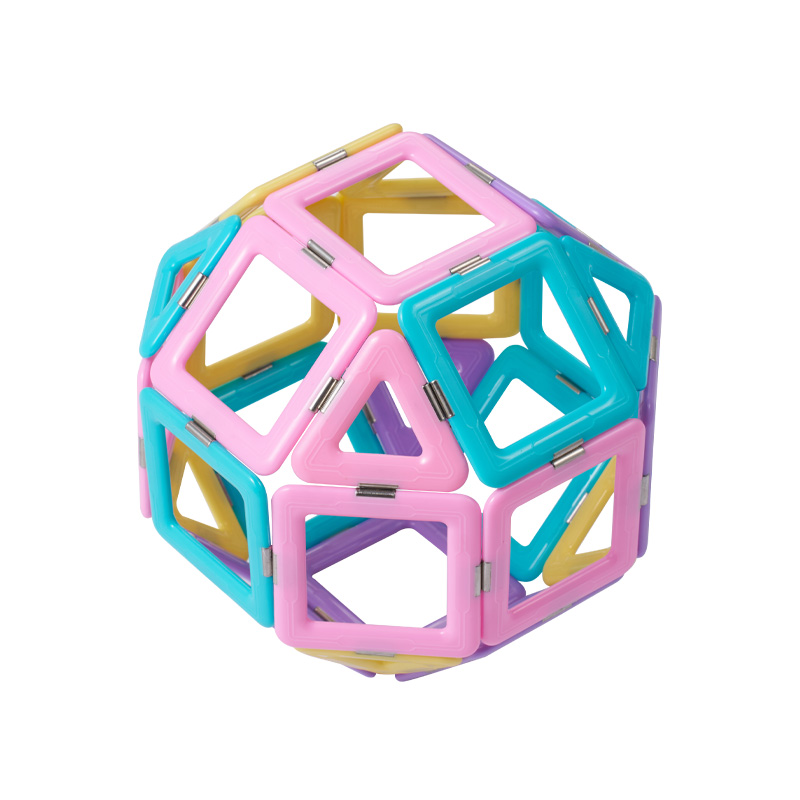
The Candy Color Magnetic Tiles Educational Toy for Children is an engaging and interactive set designed to promote creat...
See Details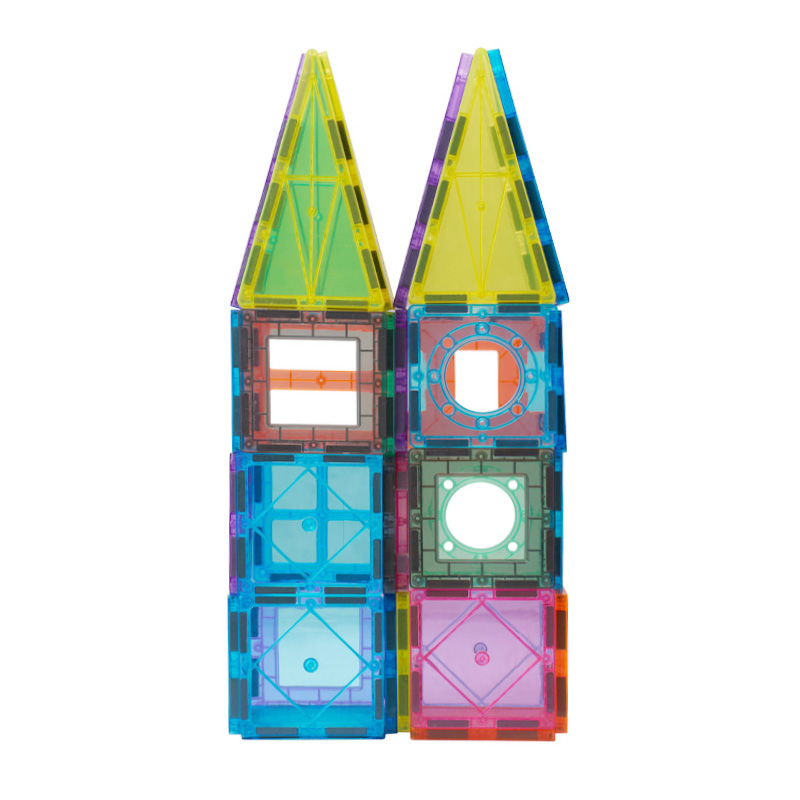
The Semi-transparent Color Window Magnetic Tiles are designed with ABS material, ensuring a smooth, rounded finish that ...
See Details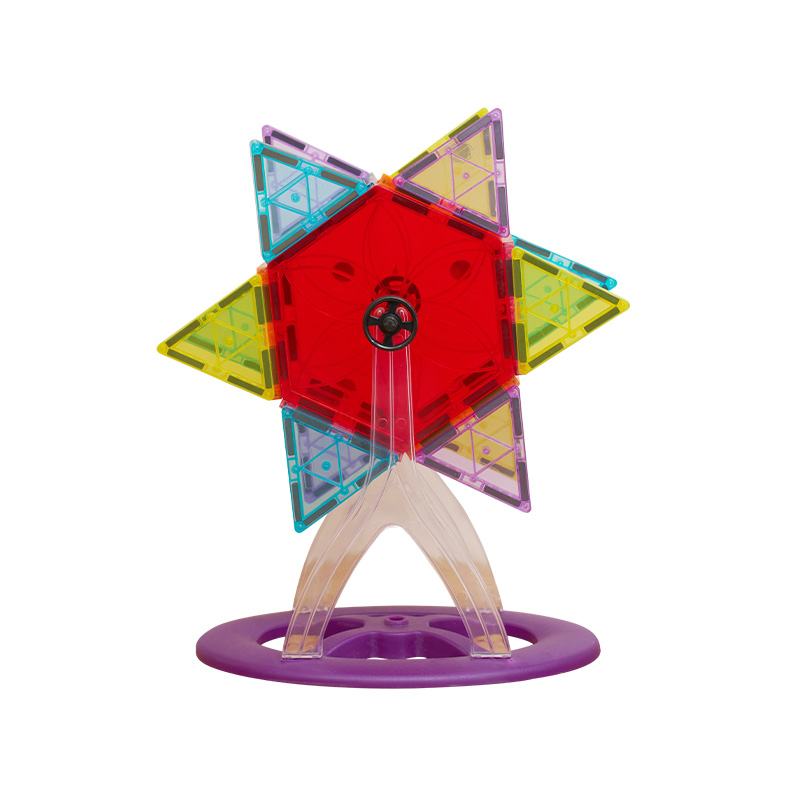
The Transparent Color Ferris Wheel Rotating Magnetic Tiles offer a creative and interactive play experience. Designed to...
See Details
Copyright © Jinhua Xinli Magnetic Industry and Trade Co., Ltd. All Rights Reserved.

Magnet Easy Toy Manufacturer