
 English
 русский
 Español
Color Magnetic Stick And Buck Ball Set, Educational Decompression And Multi-Shape Building Block Toy
The Color Magnetic Stick and Bucky Ball Set is a versatile and engaging educational toy designed to enhance spatial imag...
See Details
Building a bridge, creating a geometric pattern, or testing the stability of a tower can turn an abstract STEM concept into a hands-on classroom activity. However, educational materials need to match specific learning objectives rather than simply attract children's attention. At Xinli, we believe that educational magnetic sticks can provide a practical starting point for exploring construction, spatial relationships, and basic engineering concepts, provided that teachers understand how to incorporate them into their lesson plans.
As a magnetic toy manufacturer, we recognize that schools, educational distributors, and learning centers may have different expectations for classroom construction sets. Some programs focus on recognizing shapes, while others introduce structural stability, measurement, or collaborative design. Evaluating these requirements before purchasing helps educators determine whether magnetic building materials are appropriate for their STEM curriculum.
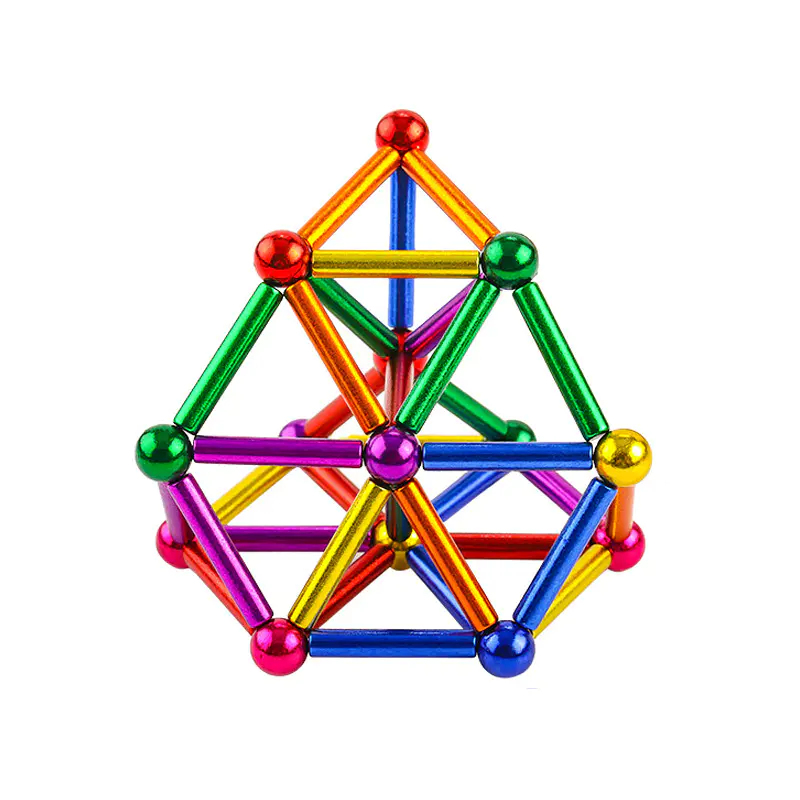
A classroom construction set becomes more useful when each activity has a clear educational purpose. Rather than expecting one toy to cover every STEM subject, teachers can identify specific concepts that students need to explore and design activities around them.
At Xinli, we encourage educators and purchasing teams to identify the intended learning outcomes before comparing available sets. A classroom focused on basic shapes may require a different assortment from a program centered on three-dimensional structures or engineering challenges.
The number, shape, and dimensions of the components affect the types of models students can construct. A set with limited connector options may work for introductory activities, while a broader assortment may offer more flexibility for complex classroom projects.
Our product discussions with buyers can cover the following configuration details:
We do not assume that a larger set automatically provides greater educational value. The appropriate configuration depends on the curriculum, class size, available budget, and complexity of the planned projects. Our recommendation is to compare actual component lists rather than relying solely on package photographs or promotional descriptions.
Product specifications help educators and distributors evaluate whether a magnetic construction set suits the intended age group and classroom environment. At Xinli, we encourage buyers to request clear product information and confirm any details that are not listed in the product documentation.
| Evaluation Item | Details to Confirm | Why It Matters |
| Component dimensions | Length, width, thickness, and connector size | Helps determine handling suitability and possible construction layouts. |
| Material composition | Plastic type, surface finish, and component construction | Supports material review and product documentation checks. |
| Magnetic connection | Magnet placement, connection design, and joining strength | Helps assess how securely pieces connect during intended activities. |
| Set configuration | Total piece count, shapes, and accessories | Allows buyers to compare sets against lesson requirements. |
| Age guidance | Manufacturer's recommended age range and warnings | Helps schools establish appropriate classroom-use procedures. |
| Safety documentation | Applicable test reports, certificates, and market-specific documents | Supports purchasing reviews and compliance verification. |
| Packaging details | Package dimensions, contents, and storage arrangement | Assists with classroom organization, distribution, and inventory planning. |
These items are evaluation criteria rather than fixed specifications for every Xinli product. Actual dimensions, materials, magnetic properties, and available documentation should be confirmed against the particular model under consideration.
Magnetic building materials can be incorporated into different lesson formats without requiring teachers to redesign an entire curriculum. A short activity can introduce a concept, while a longer project can give students opportunities to test, revise, and explain their designs.
Ask each group to construct a tower using a specified number of components. Students can measure the finished structure, observe whether it remains upright, and discuss how the base, height, and arrangement affect stability.
Students can begin by creating simple geometric outlines before assembling larger structures. Teachers may ask them to identify repeated shapes, compare different arrangements, or explain how flat patterns can become part of a three-dimensional model.
This activity can connect mathematics with design discussion. Students should describe what they observe and distinguish their own explanations from results they have actually tested.
Give students a simple design brief: construct a bridge between two supports while working within an agreed component limit. Groups can compare spans, connection arrangements, and the ability of their structures to remain assembled during normal handling.
Any load-testing activity should follow the product's intended use and the teacher's safety procedures. Teachers should not assume that a toy construction set is designed to support people, heavy objects, or loads beyond its documented capabilities.
Educational suitability includes more than the complexity of a building challenge. Component size, connection strength, material condition, and age guidance all affect whether a set is appropriate for a particular classroom.
Our recommended purchasing review includes several practical checks:
We encourage buyers to review the actual product and its supporting documents before placing an institutional order. Safety statements should reflect verified specifications and test results, not general assumptions about magnetic toys.
A suitable set configuration must also work within the school's purchasing and classroom-management arrangements. Buyers can estimate their requirements by considering the number of students, the number of working groups, and whether each group will receive a separate kit.
A simple planning method is to calculate the number of kits needed for simultaneous activities, then add a separately determined allowance for replacement components or future classes.
As a manufacturer, Xinli can discuss product configuration, packaging requirements, and available options with educational buyers and distributors. Specific customization possibilities, order conditions, and documentation should be confirmed with our team according to the requested model and order details.
Before approving a purchase, educators and purchasing managers can use the following checklist to compare candidate sets against their actual requirements.
This process provides a consistent basis for comparing different construction sets. It also helps purchasing teams communicate their requirements clearly before requesting quotations or samples.
Depending on their design and configuration, magnetic construction sticks can support activities involving geometry, spatial relationships, measurement, structural design, and collaborative problem-solving. Teachers should match each activity to specific learning objectives rather than expecting one set to cover every STEM subject.
Schools should review component dimensions, materials, magnet enclosure, connection design, set contents, age recommendations, packaging, and relevant safety documents. Actual specifications should be confirmed for the exact model being purchased.
The answer depends on the product's age guidance, component design, and the complexity of the intended activities. A set may support different levels of construction challenges, but it should not be assigned to younger students without confirming age suitability and safety requirements.
Start with the number of students participating at the same time, decide how many students will work in each group, and calculate the number of kits needed for those groups. Then review whether additional pieces or replacement components are required for the planned activities.
Yes. Educational buyers and distributors can contact Xinli to discuss their intended applications, component preferences, packaging requirements, and purchasing plans. Available configurations and customization options depend on the specific product and must be confirmed with our team.
Magnetic construction sets can create opportunities for students to explore shapes, test structural ideas, and explain their design choices through hands-on activities. Their classroom value depends on how well the component configuration, age guidance, safety information, and planned activities fit the intended learning objectives.
At Xinli, we work with buyers to clarify product details and purchasing requirements before they finalize their decisions. Share your target age group, curriculum goals, preferred set configuration, and packaging expectations with our team. We can then discuss the available options and help you evaluate whether a proposed magnetic building set fits your educational application.
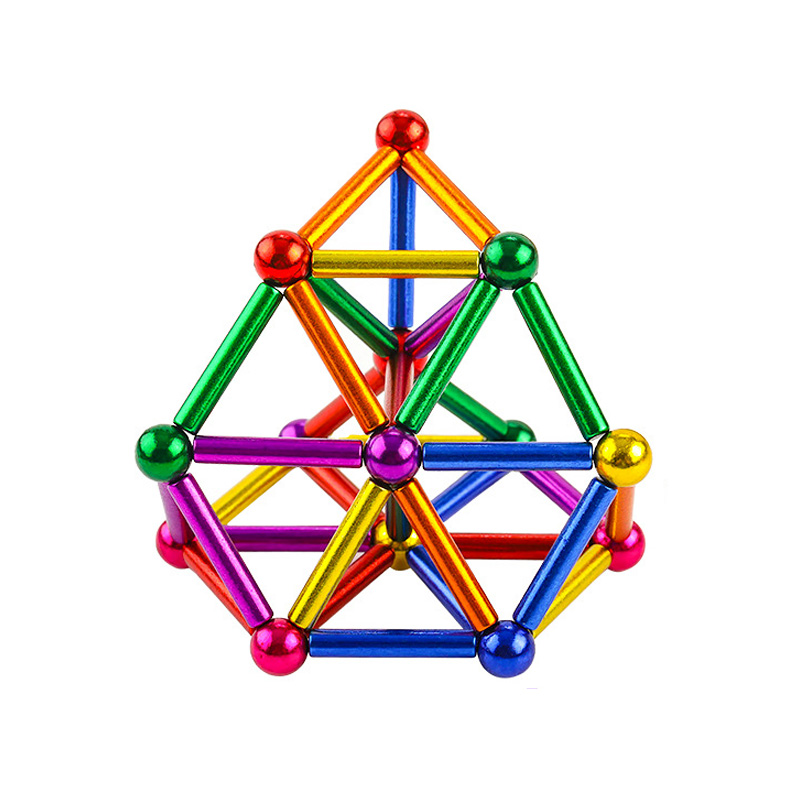
The Color Magnetic Stick and Bucky Ball Set is a versatile and engaging educational toy designed to enhance spatial imag...
See Details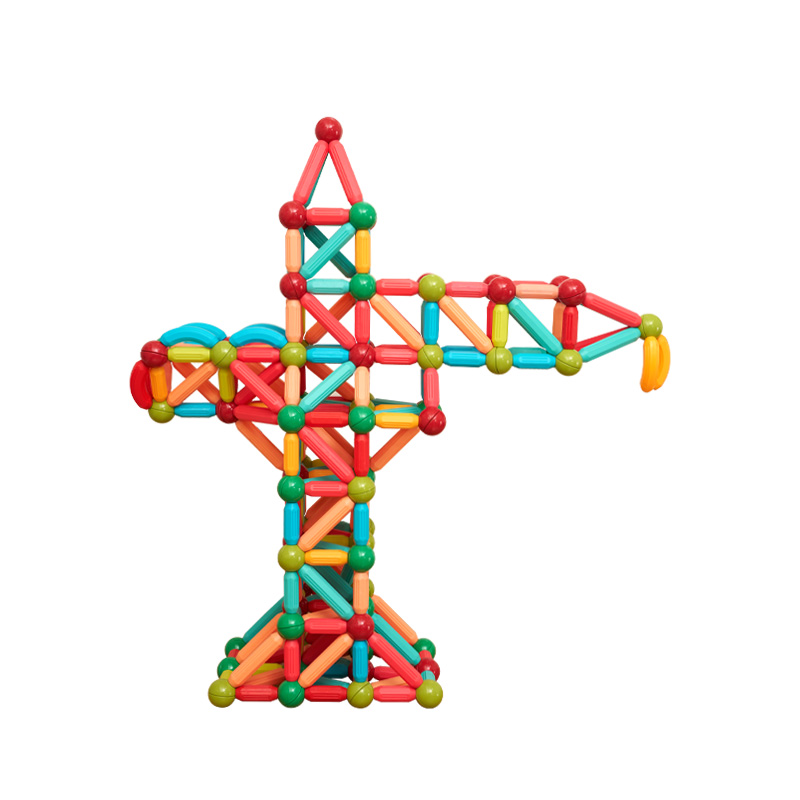
The Colorful Educational Magnetic Stick and Children's Magnetic Building Block Toy is an innovative and engaging toy des...
See Details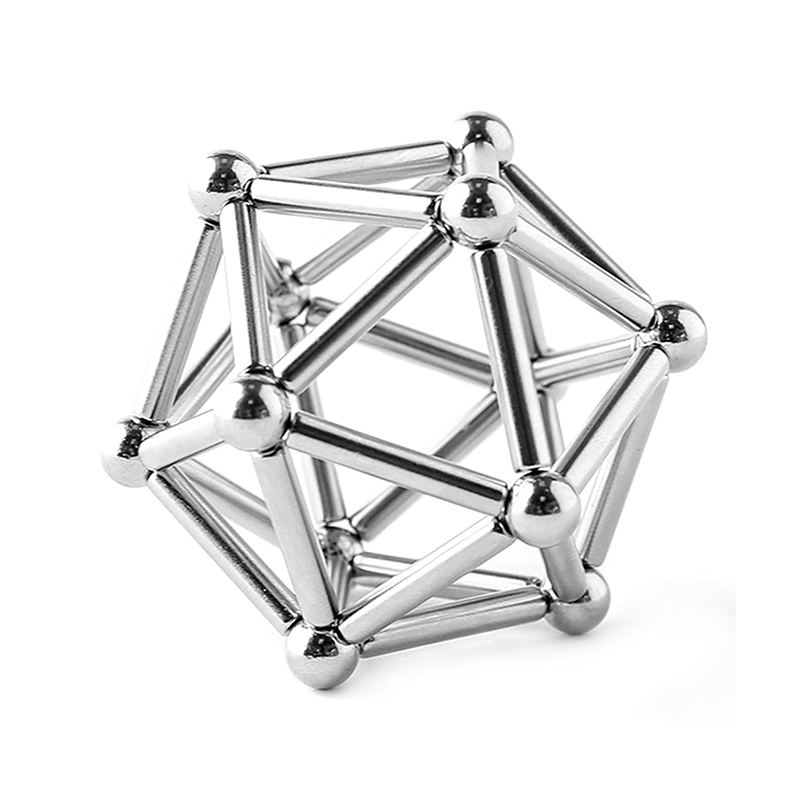
The Boxed Magnetic Stick and Bucky Ball Set is a versatile and engaging toy set designed for creativity and fun. This co...
See Details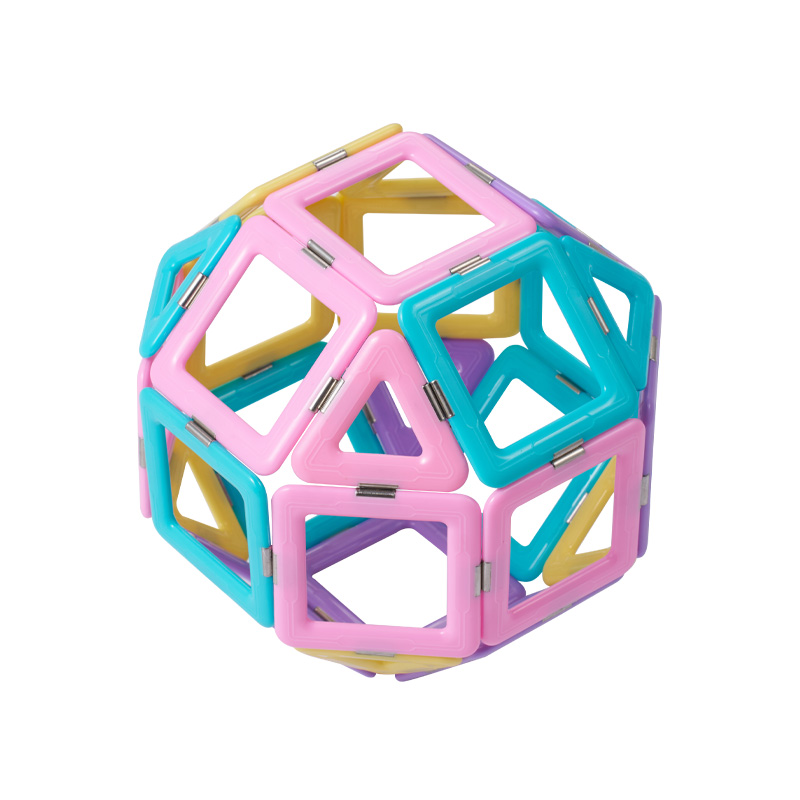
The Candy Color Magnetic Tiles Educational Toy for Children is an engaging and interactive set designed to promote creat...
See Details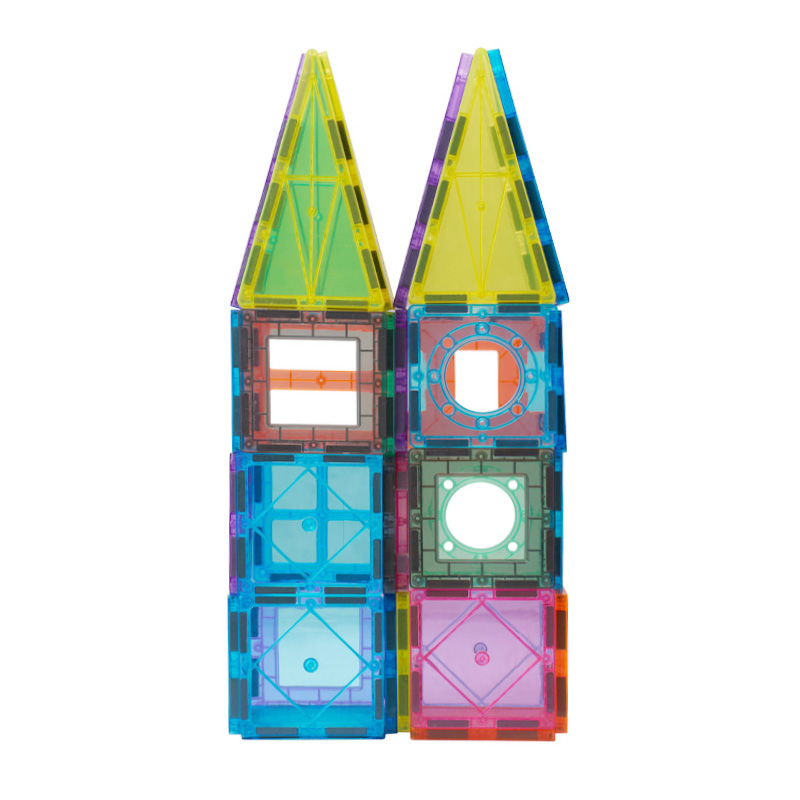
The Semi-transparent Color Window Magnetic Tiles are designed with ABS material, ensuring a smooth, rounded finish that ...
See Details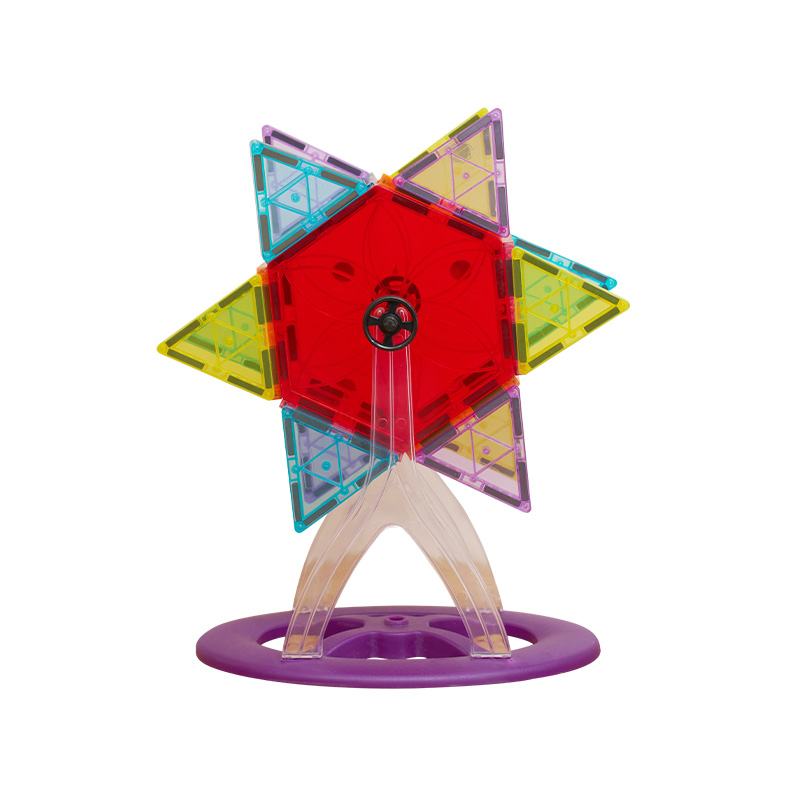
The Transparent Color Ferris Wheel Rotating Magnetic Tiles offer a creative and interactive play experience. Designed to...
See Details
Copyright © Jinhua Xinli Magnetic Industry and Trade Co., Ltd. All Rights Reserved.

Magnet Easy Toy Manufacturer