
 English
 русский
 Español
Color Magnetic Stick And Buck Ball Set, Educational Decompression And Multi-Shape Building Block Toy
The Color Magnetic Stick and Bucky Ball Set is a versatile and engaging educational toy designed to enhance spatial imag...
See Details
Creative thinking often begins with simple ideas, and children’s building toys have long played an important role in developing imagination. Today, modern construction toys are moving beyond basic stacking activities by introducing interactive designs that encourage exploration, experimentation, and discovery. Among these innovations, 3D Magnetic Tile Building Blocks have gained attention because they allow children to transform flat geometric pieces into three-dimensional creations.
Unlike traditional blocks that mainly depend on balance and stacking skills, magnetic tiles provide a faster and more flexible way to construct models. Children can connect pieces, test different structures, and redesign their creations repeatedly. This process introduces early engineering concepts while keeping the experience enjoyable and creative. Research and educational discussions around magnetic tiles highlight their connection with spatial reasoning, STEM learning, and open-ended play.

The appeal of 3D magnetic building toys comes from their ability to transform basic shapes into complex models. A square tile or triangle piece may appear simple, but combining multiple components can create houses, bridges, towers, vehicles, animals, or imaginative worlds.
This transformation process helps children understand how individual elements work together. They begin to recognize patterns, compare sizes, and discover how different structures respond to changes.
The freedom to rebuild encourages children to view mistakes as part of the creative process. A fallen tower becomes a chance to adjust the design and try a different solution.
The special feature of magnetic tiles is the connection technology inside each piece. Most products use plastic panels with magnets enclosed along the edges, allowing children to connect multiple components from different directions.
A typical 3D Magnetic Tile Building Blocks set may include technical details such as:
The easy connection system allows children to focus on creativity instead of struggling with assembly. This feature also makes magnetic tiles suitable for collaborative activities where multiple children can build together.
Many educators view construction toys as useful tools for introducing early STEM concepts. Magnetic tiles naturally combine science, technology, engineering, and mathematics through hands-on activities. Children explore balance, symmetry, geometry, and cause-and-effect relationships while creating their own designs.
For example, building a tall tower requires children to consider the width of the base, the arrangement of shapes, and the connection points between pieces. Designing a bridge encourages them to think about support structures and weight distribution.
These experiences create an early foundation for creative problem-solving. Children are not simply copying models; they are learning how to design and improve their own concepts.
A modern magnetic building set can turn a play area into a small creative workshop. Children often create their own stories around their structures, combining construction with imaginative role play.
A magnetic city may include houses, roads, and vehicles. A fantasy castle may include towers, gates, and decorative elements. A science station may become a place where children invent new machines and explore ideas.
This combination of construction and storytelling helps children connect imagination with practical creation.
As magnetic toys become more popular, product design quality has become an important consideration for parents and educators. A reliable magnetic building set usually focuses on secure magnet placement, durable materials, and child-friendly shapes.
Careful design allows children to enjoy creative building activities while parents have greater confidence in the play environment.
The value of magnetic construction toys goes beyond the finished model. The real learning experience happens during planning, testing, adjusting, and rebuilding. Each new structure gives children another opportunity to explore possibilities.
3D Magnetic Tile Building Blocks represent a shift from passive entertainment toward active creation. They provide children with tools to imagine ideas, experiment with designs, and develop problem-solving habits through play.
As educational toys continue evolving, magnetic building systems are becoming more than colorful construction pieces. They are creative platforms that inspire young inventors to explore how ideas can become real objects through curiosity, experimentation, and hands-on discovery.
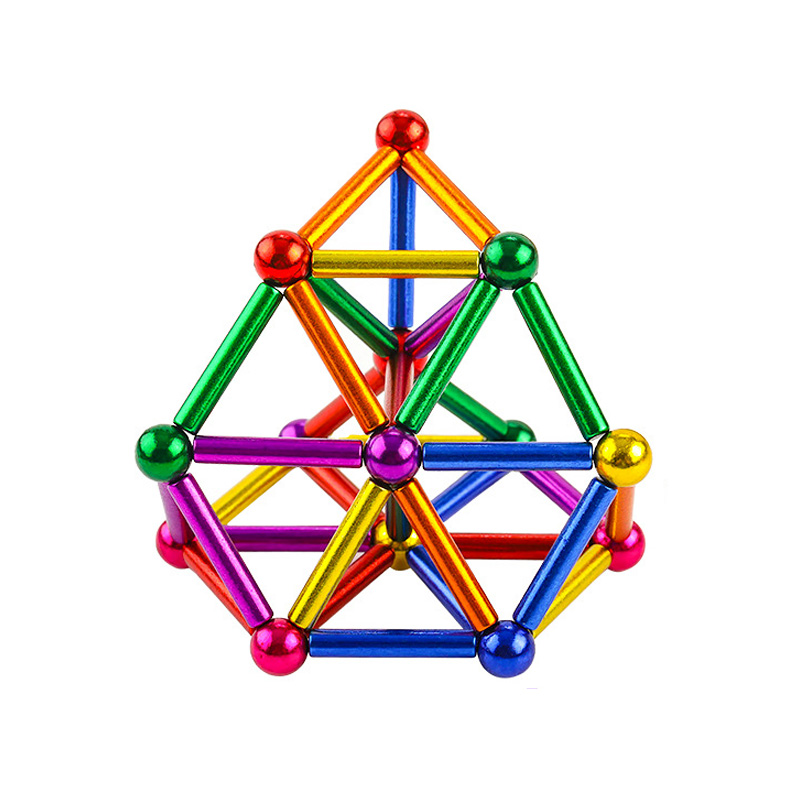
The Color Magnetic Stick and Bucky Ball Set is a versatile and engaging educational toy designed to enhance spatial imag...
See Details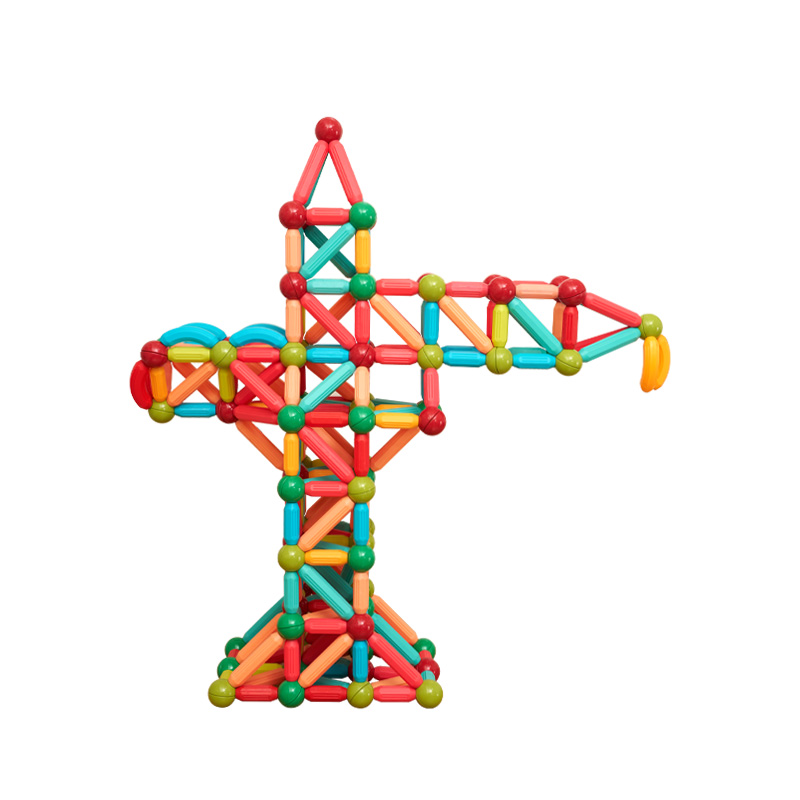
The Colorful Educational Magnetic Stick and Children's Magnetic Building Block Toy is an innovative and engaging toy des...
See Details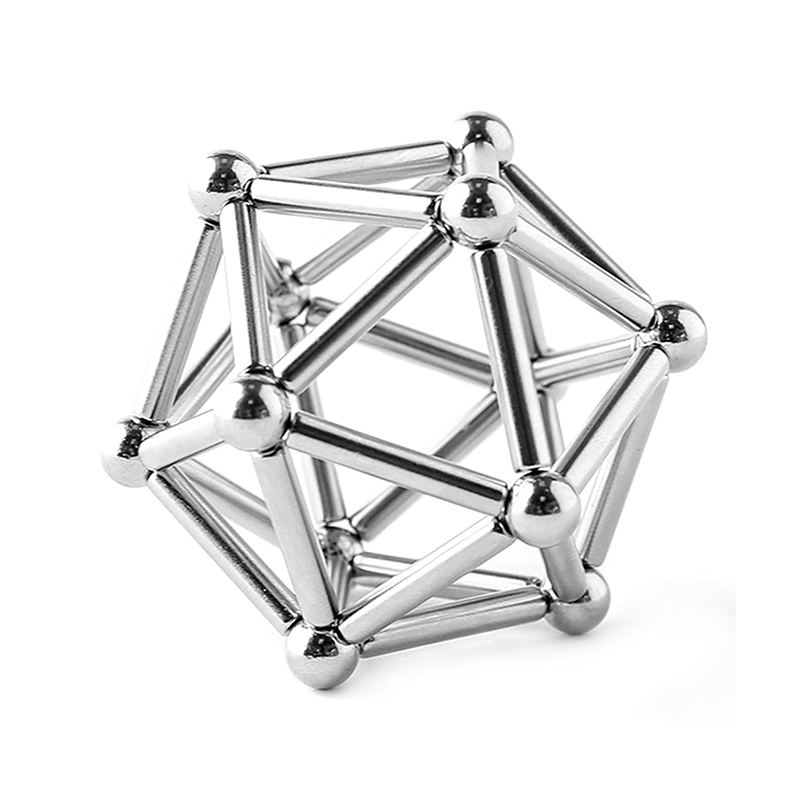
The Boxed Magnetic Stick and Bucky Ball Set is a versatile and engaging toy set designed for creativity and fun. This co...
See Details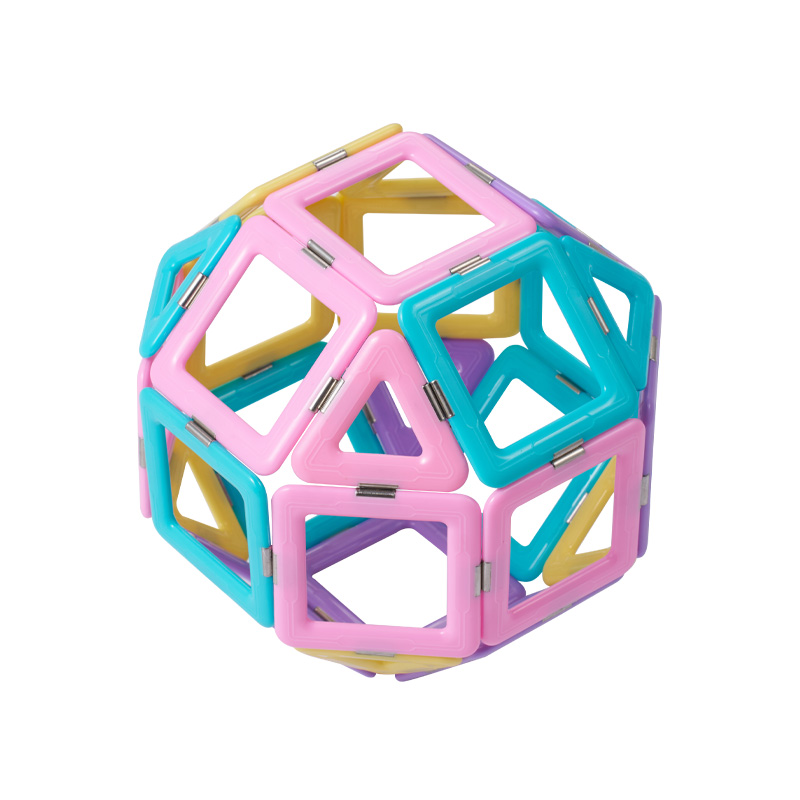
The Candy Color Magnetic Tiles Educational Toy for Children is an engaging and interactive set designed to promote creat...
See Details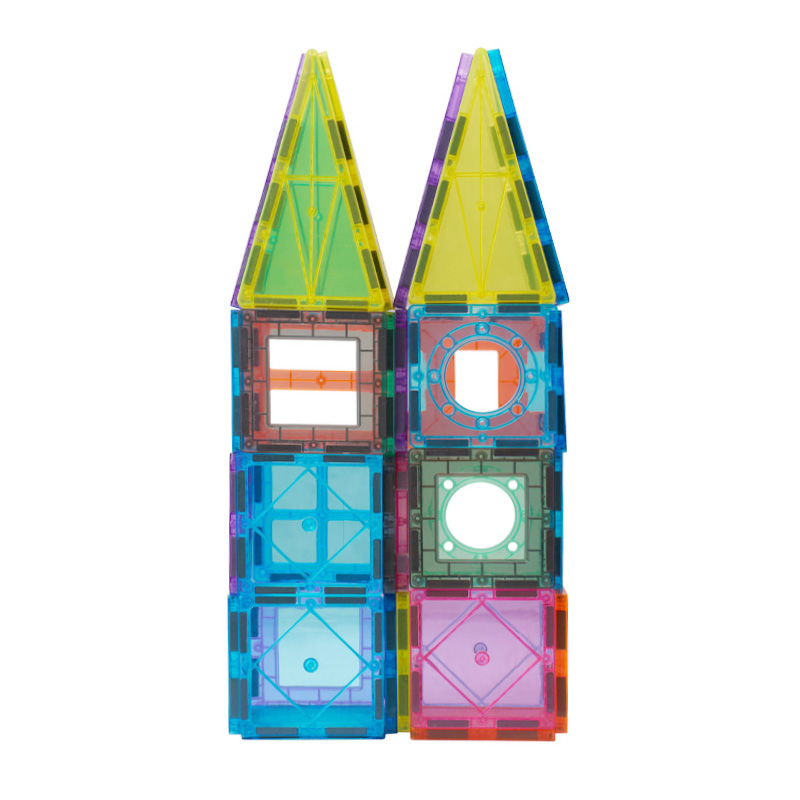
The Semi-transparent Color Window Magnetic Tiles are designed with ABS material, ensuring a smooth, rounded finish that ...
See Details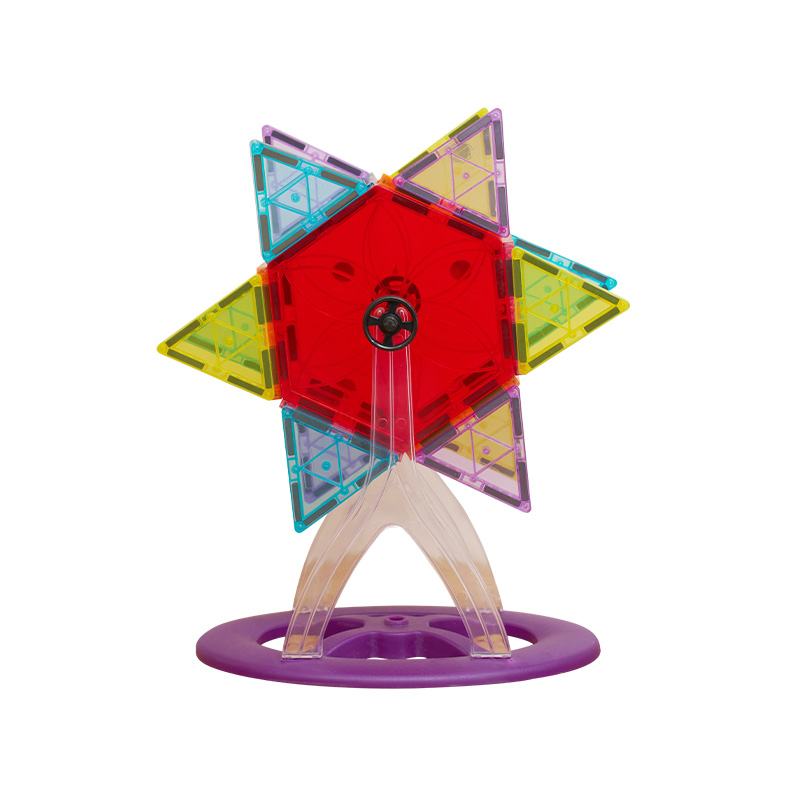
The Transparent Color Ferris Wheel Rotating Magnetic Tiles offer a creative and interactive play experience. Designed to...
See Details
Copyright © Jinhua Xinli Magnetic Industry and Trade Co., Ltd. All Rights Reserved.

Magnet Easy Toy Manufacturer