
 English
 русский
 Español
Color Magnetic Stick And Buck Ball Set, Educational Decompression And Multi-Shape Building Block Toy
The Color Magnetic Stick and Bucky Ball Set is a versatile and engaging educational toy designed to enhance spatial imag...
See Details
Children learn through exploration, and creative play has become an important part of early development. Modern educational toys are no longer designed only for entertainment; they also encourage imagination, problem-solving, and hands-on discovery. Among these products, magnetic construction toys have attracted attention because they allow children to build different structures while developing spatial awareness and creativity.
Plastic Material Magnetic Blocks combine lightweight plastic components with magnetic connection technology, creating a building experience that is simple, flexible, and engaging. The combination of durable materials, enclosed magnetic systems, and child-friendly designs helps these toys become a popular choice for creative activities at home and in educational environments.
Safety is a key consideration for magnetic toys because loose magnets can create risks if they become accessible to children. Organizations such as the U.S. Consumer Product Safety Commission have highlighted the importance of secure magnet construction and careful supervision during play.
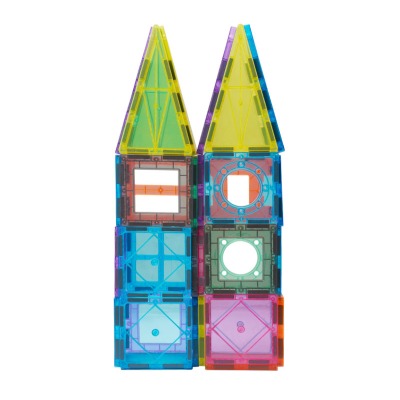
The plastic material used in magnetic blocks directly affects durability, comfort, and overall play quality. Many magnetic building toys use ABS plastic because this material provides a balance between strength, lightweight handling, and smooth surface finishing.
ABS plastic is commonly used in children’s products because it can maintain structural stability during repeated assembly and disassembly. A well-designed plastic shell protects internal components while allowing children to comfortably hold and connect each piece.
The material design is not only related to appearance but also influences how children interact with the toy. Comfortable pieces encourage longer creative sessions and more exploration.
The magnetic connection system is the core feature of magnetic blocks. Unlike simple loose magnets, children’s magnetic building blocks are designed with magnets placed inside plastic components to create a safer structure.
High-quality designs usually use methods such as ultrasonic welding, sealed plastic frames, or reinforced assembly techniques to keep magnets securely inside each block. Some certified magnetic block products use enclosed magnets and testing standards to reduce the possibility of magnet exposure during normal play.
Common magnetic block design specifications include:
Proper magnet enclosure is an important factor because damaged toys with exposed magnets may create safety concerns. Safety agencies have reported risks associated with children accessing and swallowing loose magnets.
Children often spend long periods touching, moving, and rearranging building pieces. For this reason, the physical shape of each block plays an important role in the overall experience.
Plastic Material Magnetic Blocks usually feature rounded corners and smooth edges to reduce sharp contact points. This design allows children to hold pieces comfortably while creating different structures.
These small design details can influence how confidently children explore new ideas during play.
Safety features are important, but the educational value of magnetic blocks is another reason behind their popularity. These toys allow children to experiment with shapes, balance, and creative structures.
A child building a tower may discover why a wider base creates better stability. Another child creating a bridge may explore how different arrangements affect strength. These experiences introduce basic engineering concepts through practical activities.
Because magnetic blocks provide multiple building possibilities, children can continue discovering new ways to use the same set.
A modern magnetic block set often includes various shapes and accessories to expand creative possibilities. Instead of limiting children to one construction method, different components allow them to create unique models.
A typical Plastic Material Magnetic Blocks set may include:
Different combinations allow children of various ages to explore building activities based on their own interests and abilities.
Parents and educators often consider several factors before introducing magnetic toys into children’s play environments. Product quality, age recommendations, and regular inspection are all important parts of safe usage.
Safety-focused design helps magnetic toys provide a positive creative experience while reducing potential risks.
Creative play depends on freedom, curiosity, and the ability to experiment. Plastic Material Magnetic Blocks offer children a practical way to turn ideas into physical structures while learning about shapes, connections, and design principles.
With durable plastic materials, secure magnetic systems, and thoughtful child-friendly features, these toys provide more than simple entertainment. They create an environment where children can explore, build, adjust, and discover new possibilities through hands-on play.
As educational toy trends continue developing, magnetic building products are expected to remain an important tool for encouraging creativity and early learning. A carefully designed magnetic block set can become a bridge between imagination and real-world problem-solving skills.
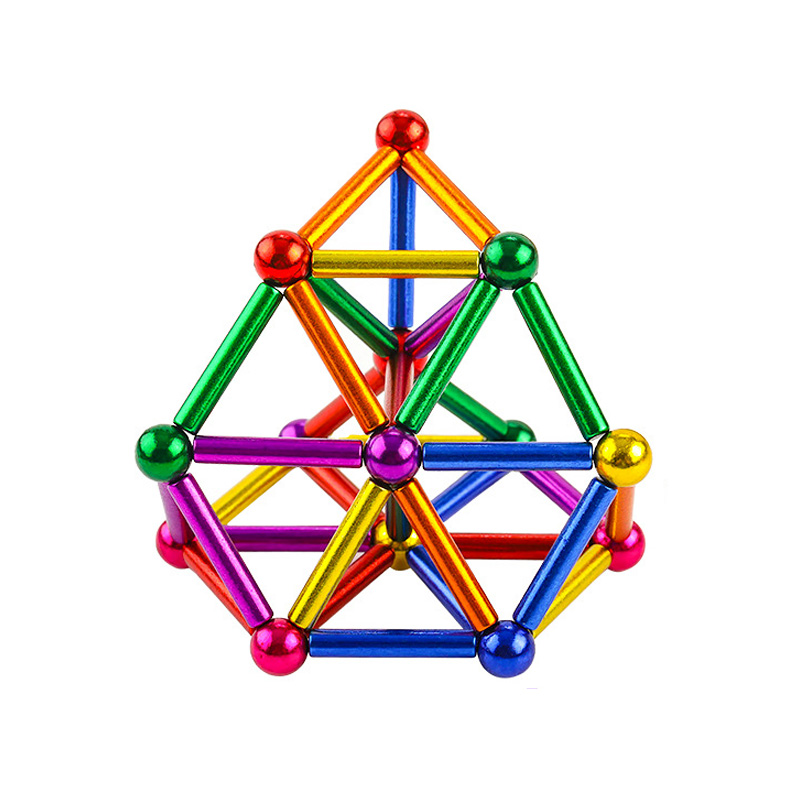
The Color Magnetic Stick and Bucky Ball Set is a versatile and engaging educational toy designed to enhance spatial imag...
See Details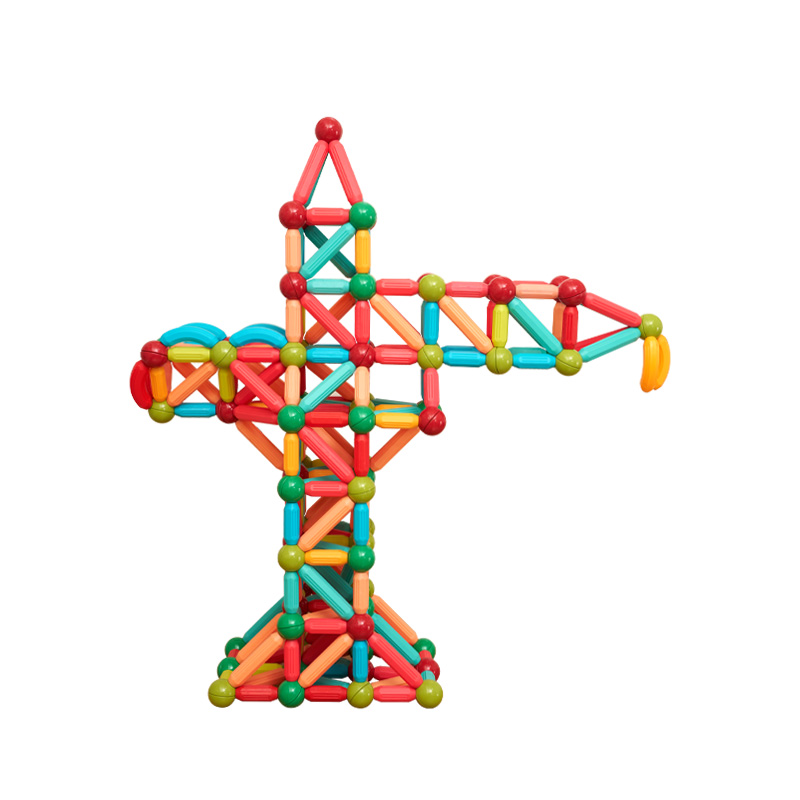
The Colorful Educational Magnetic Stick and Children's Magnetic Building Block Toy is an innovative and engaging toy des...
See Details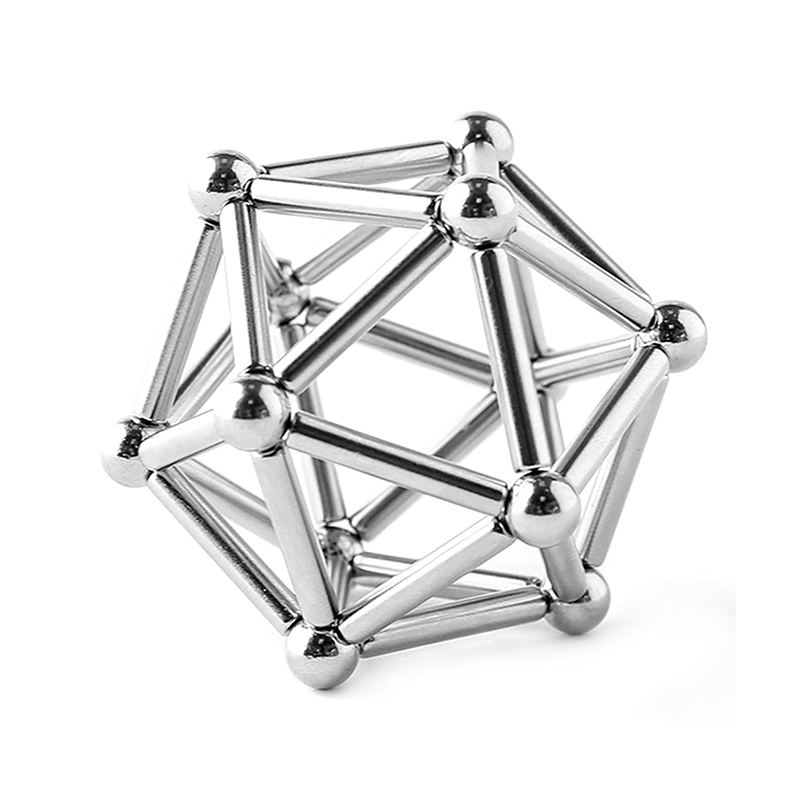
The Boxed Magnetic Stick and Bucky Ball Set is a versatile and engaging toy set designed for creativity and fun. This co...
See Details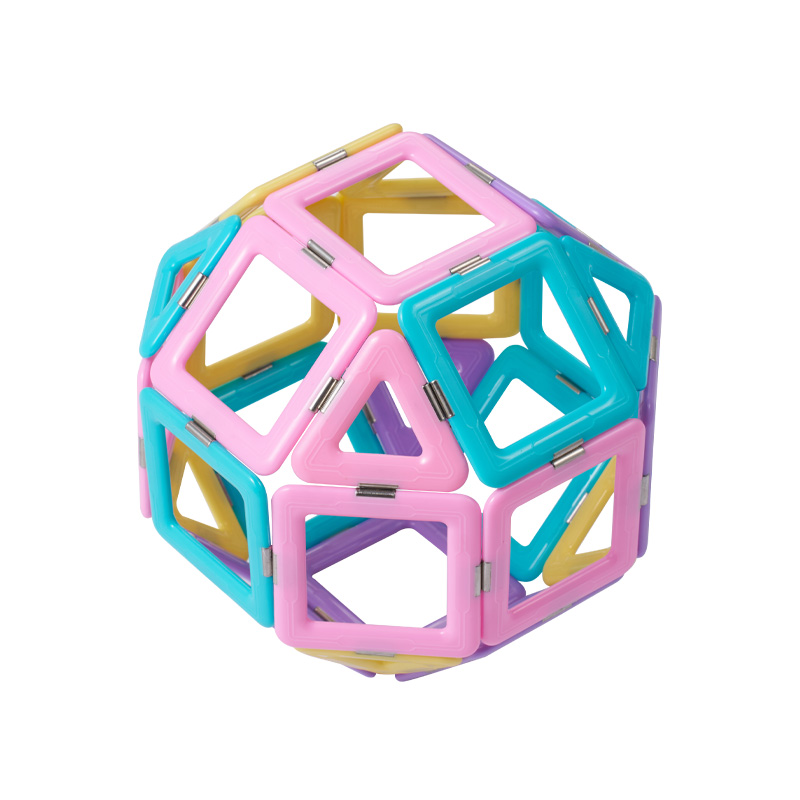
The Candy Color Magnetic Tiles Educational Toy for Children is an engaging and interactive set designed to promote creat...
See Details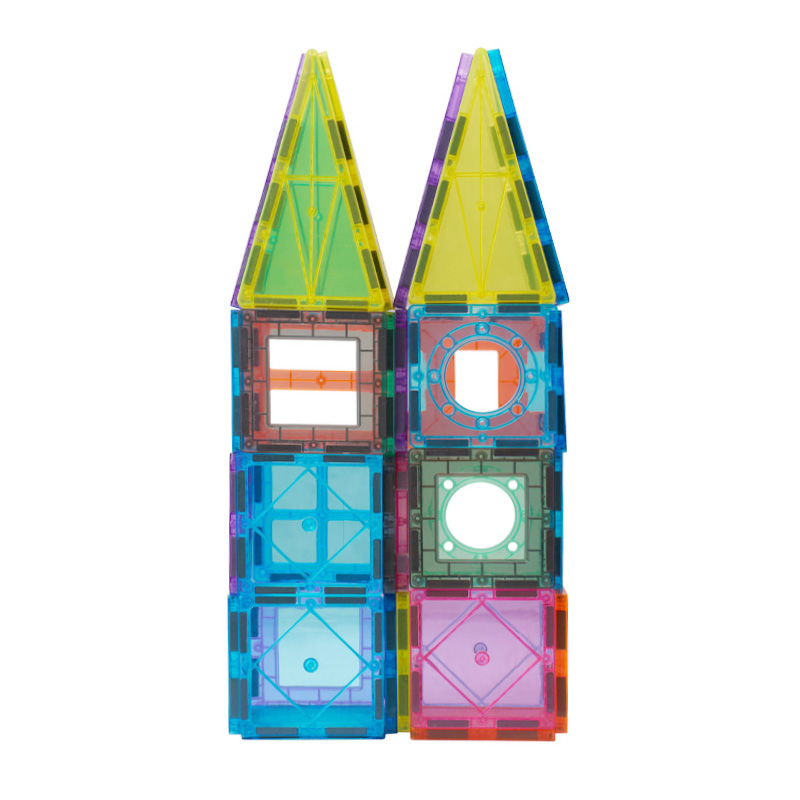
The Semi-transparent Color Window Magnetic Tiles are designed with ABS material, ensuring a smooth, rounded finish that ...
See Details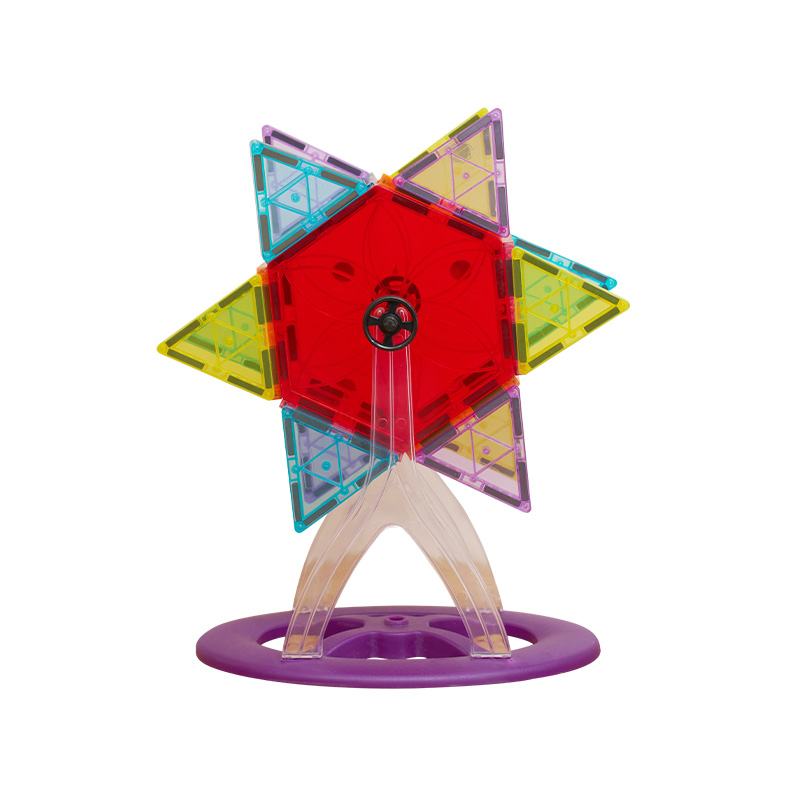
The Transparent Color Ferris Wheel Rotating Magnetic Tiles offer a creative and interactive play experience. Designed to...
See Details
Copyright © Jinhua Xinli Magnetic Industry and Trade Co., Ltd. All Rights Reserved.

Magnet Easy Toy Manufacturer