
 English
 русский
 Español
Color Magnetic Stick And Buck Ball Set, Educational Decompression And Multi-Shape Building Block Toy
The Color Magnetic Stick and Bucky Ball Set is a versatile and engaging educational toy designed to enhance spatial imag...
See Details
A gift for children can offer more than a short period of entertainment. Parents, schools, educational institutions, and gift retailers increasingly consider whether a toy can encourage curiosity, creativity, and practical learning experiences. This has made educational presents an important category for buyers who want to combine play value with developmental benefits.
At Xinli, we understand that purchasing decisions involve more than attractive packaging or popular product themes. Buyers need to evaluate what children can actually learn through play, how long a gift remains interesting, and whether its design suits the intended age group. These considerations also help distributors build a more meaningful product selection for different customer markets.

The educational value of a toy should be connected to specific activities rather than broad marketing descriptions. A product labeled as educational does not automatically support every developmental skill. Buyers should understand what children can practice through regular interaction.
Several learning areas are worth considering:
At Xinli, we believe that understanding these learning applications helps buyers evaluate product suitability beyond appearance. It also provides useful information for creating product descriptions and retail presentations.
A gift may have clear educational objectives, but children still need to find the activity interesting. Products that require excessive adult assistance or offer limited opportunities for exploration may receive less attention after the initial experience.
Buyers should consider the relationship between learning activities and children's natural interests.
For gift retailers and wholesalers, these factors can help distinguish products with genuine play value from items that rely heavily on educational labels or promotional claims.
STEM-related gifts have become an important consideration for educational retailers and distributors. Science, technology, engineering, and mathematics activities can introduce children to practical concepts through interactive experiences.
Magnetic construction toys provide an example of how a simple play activity can introduce several learning concepts. Children can connect magnetic components to create geometric shapes, explore balance, compare structures, and experiment with different arrangements.
Buyers evaluating STEM-oriented gifts should examine the following details:
These details help distributors communicate the practical applications of magnetic play products to parents, schools, and educational gift retailers.
Gift purchasing decisions should also consider how frequently a product can be reused. A toy that supports several activities may remain relevant longer than an item designed around one short experience.
Repeated interaction gives children opportunities to revisit familiar concepts and gradually explore more complicated tasks. This is particularly relevant to construction sets, creative activity kits, and educational games.
Xinli recommends evaluating several aspects of long-term usability:
These considerations are particularly useful for educational institutions and distributors purchasing products for repeated use rather than occasional gifting.
Different purchasing channels have different expectations. Parents may focus on age suitability and personal interests, while schools and educational retailers may pay greater attention to activity design, durability, and classroom application.
Before confirming an order, buyers should establish several basic requirements:
At Xinli, we understand the importance of matching product specifications with buyers' distribution requirements. Clear communication about target markets, product configurations, and packaging expectations helps establish a more organized purchasing process.
Educational gifts represent an opportunity for distributors to serve customers who value both entertainment and meaningful activities. However, purchasing decisions should be supported by actual product characteristics rather than promotional descriptions alone.
At Xinli, we encourage buyers to examine learning applications, age suitability, material quality, repeat-use potential, and packaging requirements before adding educational toys to their product portfolios.
A well-considered gift can give children opportunities to build, experiment, communicate, and explore new ideas. For wholesalers and retailers, understanding these benefits also makes product positioning clearer and supports more informed sourcing decisions.
Xinli welcomes inquiries from international buyers interested in magnetic toys and educational play products. Contact our team to discuss product specifications, available configurations, and customization requirements for your target market.
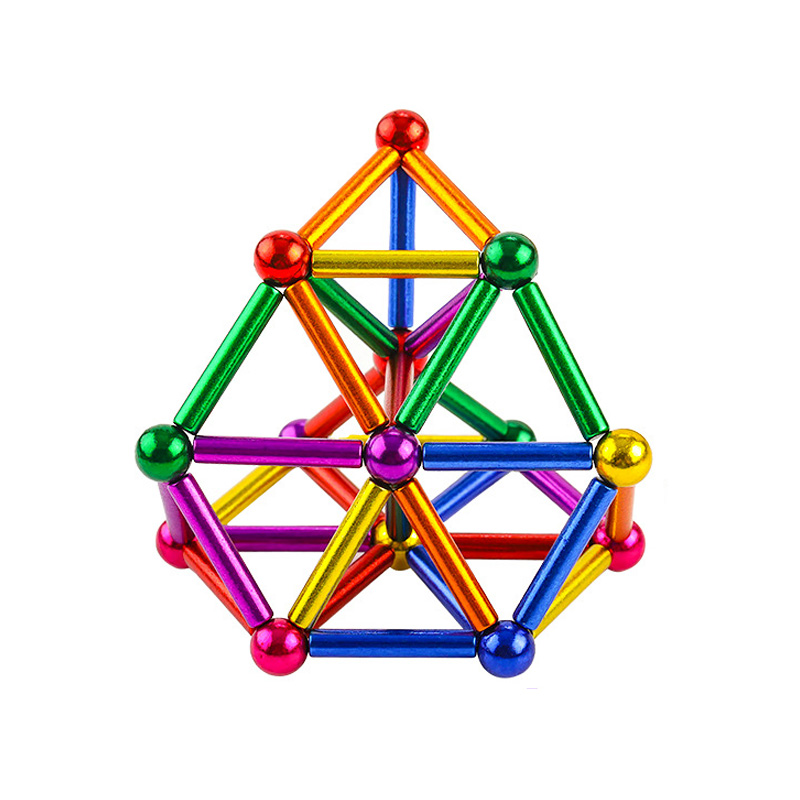
The Color Magnetic Stick and Bucky Ball Set is a versatile and engaging educational toy designed to enhance spatial imag...
See Details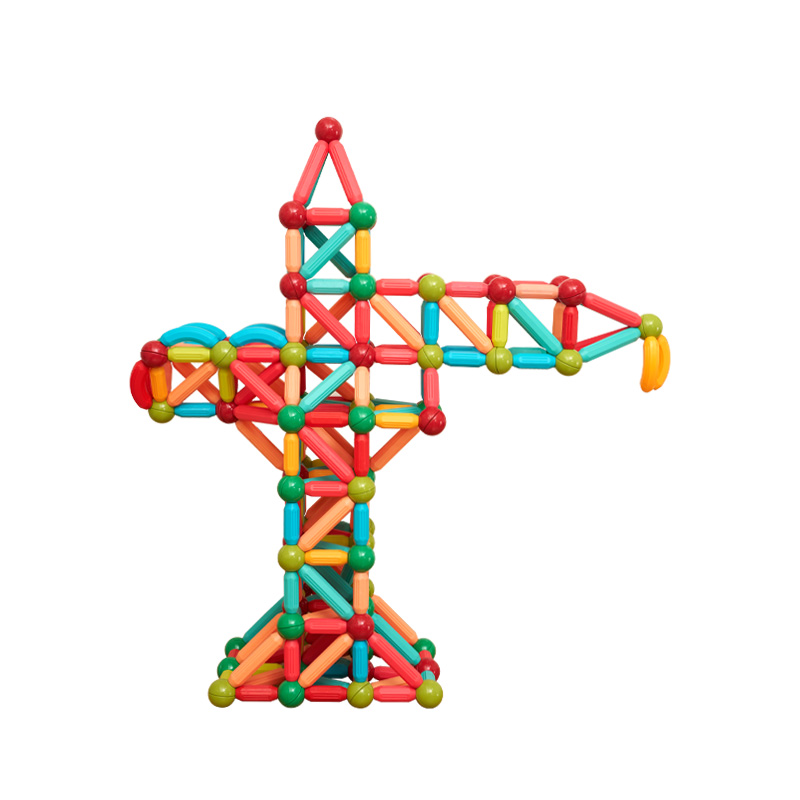
The Colorful Educational Magnetic Stick and Children's Magnetic Building Block Toy is an innovative and engaging toy des...
See Details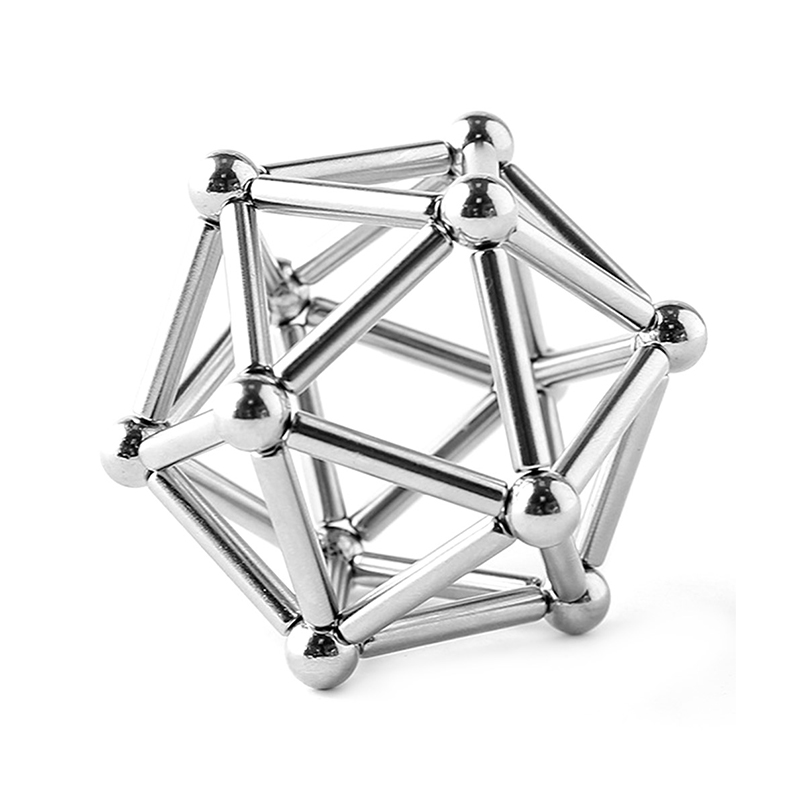
The Boxed Magnetic Stick and Bucky Ball Set is a versatile and engaging toy set designed for creativity and fun. This co...
See Details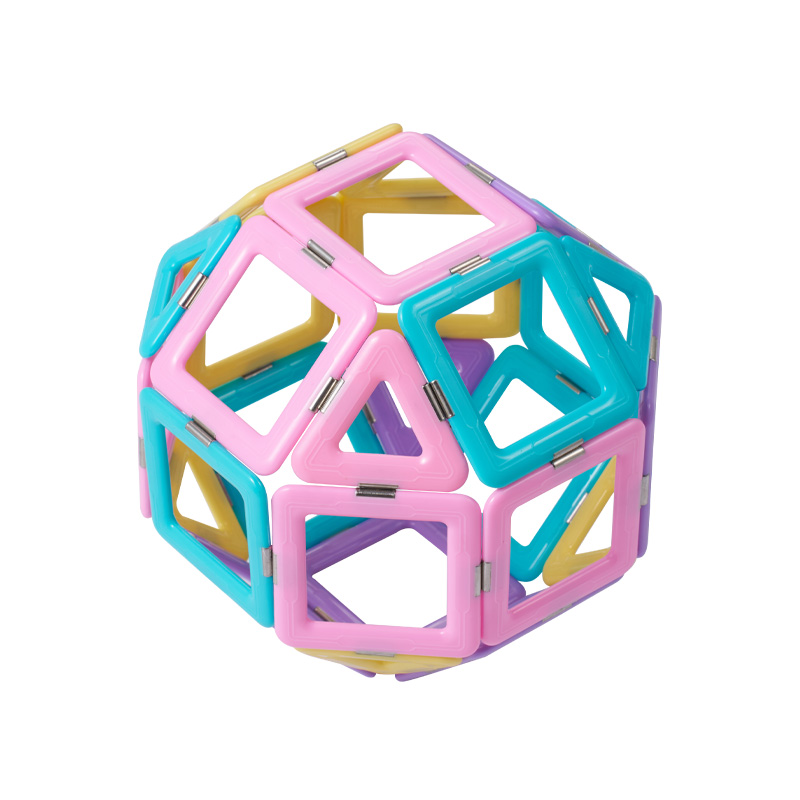
The Candy Color Magnetic Tiles Educational Toy for Children is an engaging and interactive set designed to promote creat...
See Details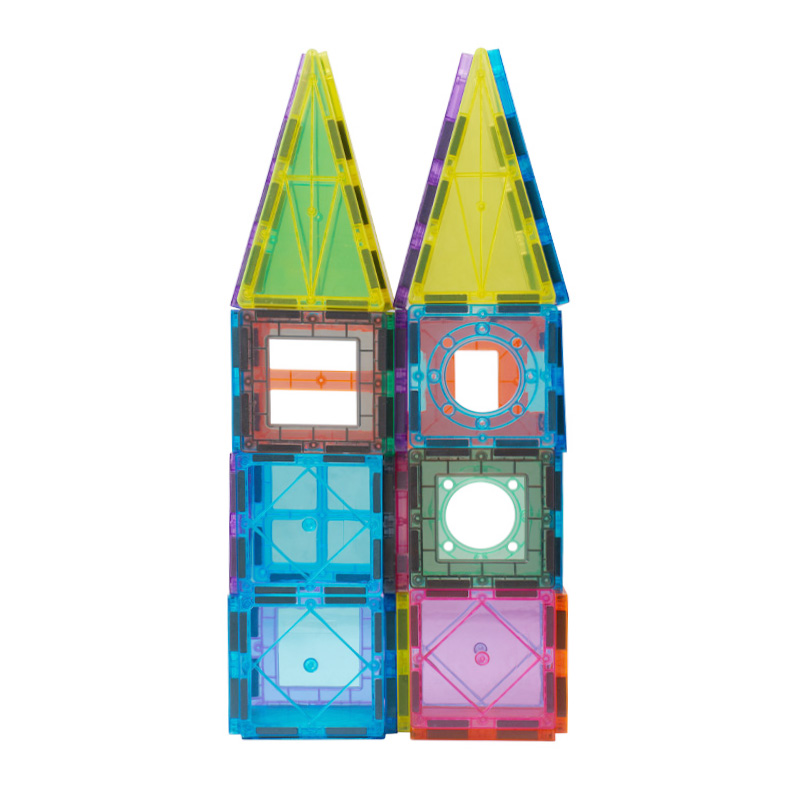
The Semi-transparent Color Window Magnetic Tiles are designed with ABS material, ensuring a smooth, rounded finish that ...
See Details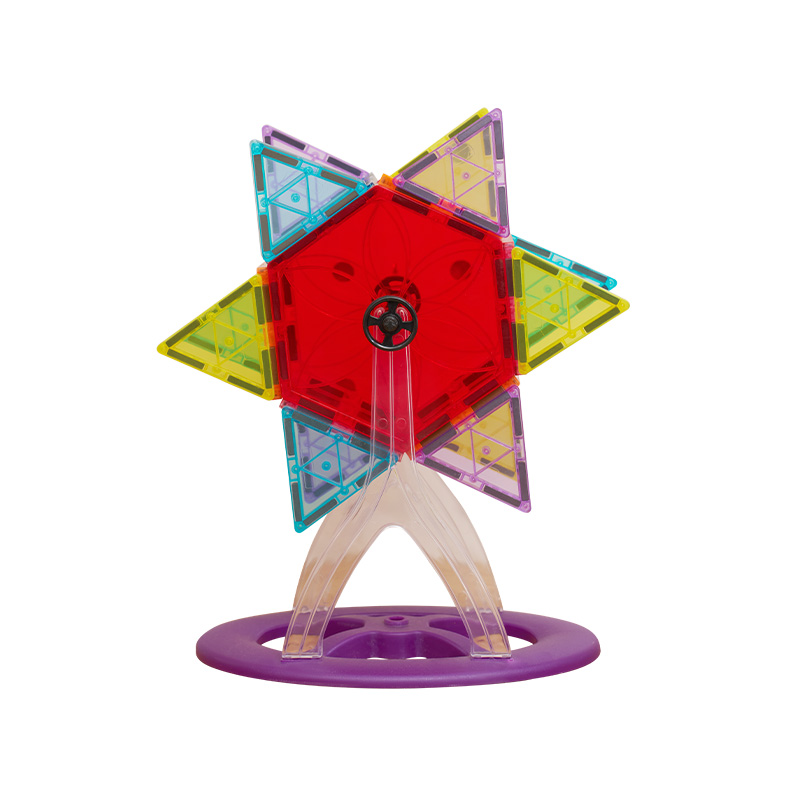
The Transparent Color Ferris Wheel Rotating Magnetic Tiles offer a creative and interactive play experience. Designed to...
See Details
Copyright © Jinhua Xinli Magnetic Industry and Trade Co., Ltd. All Rights Reserved.

Magnet Easy Toy Manufacturer