
 English
 русский
 Español
Color Magnetic Stick And Buck Ball Set, Educational Decompression And Multi-Shape Building Block Toy
The Color Magnetic Stick and Bucky Ball Set is a versatile and engaging educational toy designed to enhance spatial imag...
See Details
Building a tall structure can be an exciting challenge for children, particularly during classroom STEM activities. However, height alone does not determine whether a construction activity is successful. A tower that remains upright, supports additional components, and allows children to experiment with different arrangements provides more opportunities for exploring basic engineering concepts. This is why magnetic tower toy designs deserve attention from educational distributors, school suppliers, and wholesale buyers.
At Xinli, we understand that classroom-oriented magnetic toys need to support practical activities as well as creative play. Stability, magnetic connection quality, component design, and set configuration all influence how these products can be used in educational environments.

A taller tower is not necessarily a more stable structure. As additional components are added, the center of gravity may rise, making the construction more sensitive to movement or uneven weight distribution.
Several structural factors influence tower stability:
These concepts provide useful starting points for classroom discussions about gravity, balance, and structural design. Teachers can encourage children to compare two towers with different base dimensions and observe how their construction methods affect the final result.
Magnetic connections are an important part of tower-building activities. Children frequently attach, detach, rotate, and reposition components while developing their designs. Consistent connection behavior helps make these activities easier to manage.
Buyers evaluating magnetic construction products should pay attention to several details:
At Xinli, we recognize that these details are relevant to both product evaluation and classroom purchasing decisions. Buyers should also request appropriate safety documentation and verify that magnetic components meet the requirements of their destination markets.
The shapes and dimensions of magnetic components influence the types of structures children can create. Different combinations may support vertical towers, geometric patterns, bridges, and more complicated construction projects.
Several design considerations can help educational buyers evaluate a set:
For classroom applications, a well-planned component combination can support different activities without requiring a completely different toy set for each lesson.
Stability becomes more meaningful as a learning topic when children can observe and compare the results of their own construction methods. Teachers can organize simple challenges around height, balance, and structural design.
For example, a classroom activity can follow these steps:
These activities can introduce basic engineering design processes while encouraging communication, observation, and problem-solving. Teachers can also use photographs or simple measurement records to document different construction attempts.
Educational distributors and school suppliers should evaluate product specifications according to their intended classroom applications. A set designed for individual play may not provide the same component quantity or activity possibilities as one intended for group construction.
Before purchasing, buyers should confirm the following information with their suppliers:
These details help buyers determine whether a product is suitable for individual activities, small-group projects, or shared classroom use.
Classroom products may experience frequent handling by multiple students. Their practical value therefore depends on more than the initial construction experience. Component durability, consistent connections, convenient storage, and clear activity instructions all deserve consideration.
At Xinli, we encourage educational distributors to evaluate magnetic construction toys through both product specifications and actual sample testing. A structured assessment can help identify whether a set matches the intended teaching activities and purchasing requirements.
Our team welcomes discussions about magnetic toy configurations, component specifications, packaging arrangements, and customization requirements. By understanding the needs of schools, wholesalers, and educational retailers, we can better coordinate product sourcing discussions around practical classroom applications.
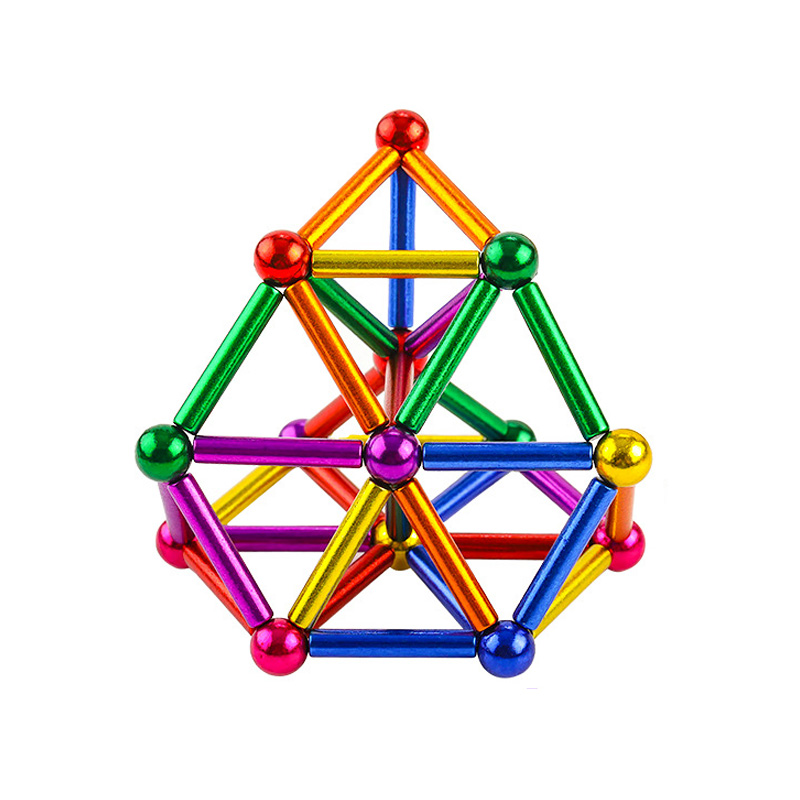
The Color Magnetic Stick and Bucky Ball Set is a versatile and engaging educational toy designed to enhance spatial imag...
See Details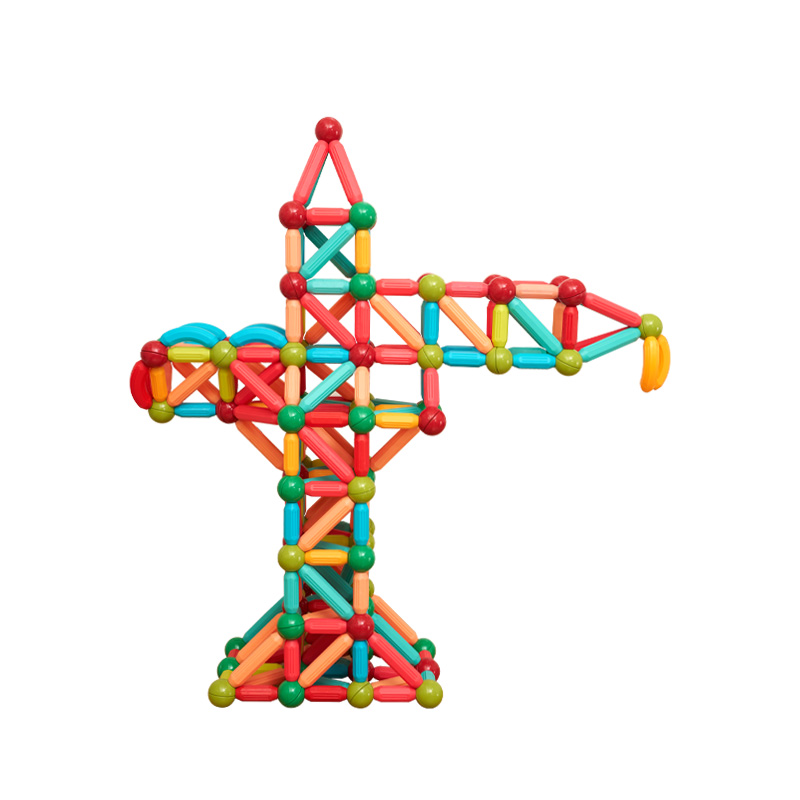
The Colorful Educational Magnetic Stick and Children's Magnetic Building Block Toy is an innovative and engaging toy des...
See Details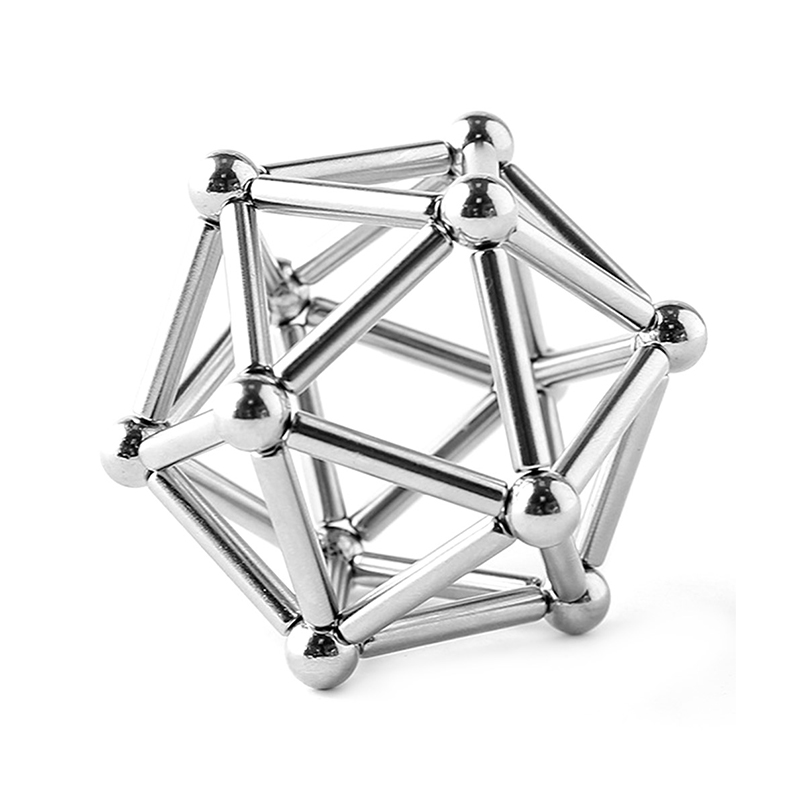
The Boxed Magnetic Stick and Bucky Ball Set is a versatile and engaging toy set designed for creativity and fun. This co...
See Details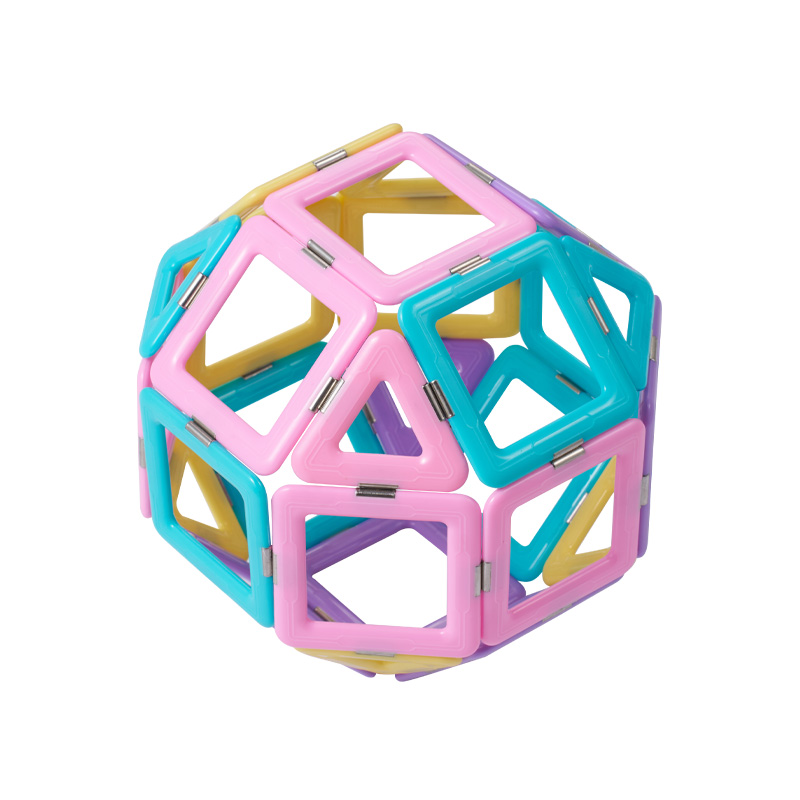
The Candy Color Magnetic Tiles Educational Toy for Children is an engaging and interactive set designed to promote creat...
See Details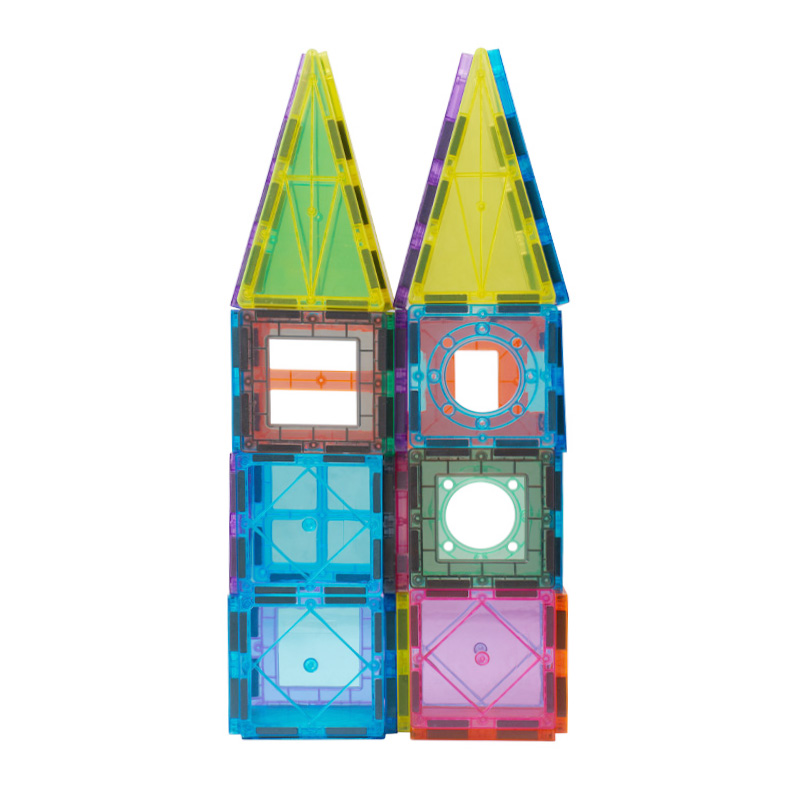
The Semi-transparent Color Window Magnetic Tiles are designed with ABS material, ensuring a smooth, rounded finish that ...
See Details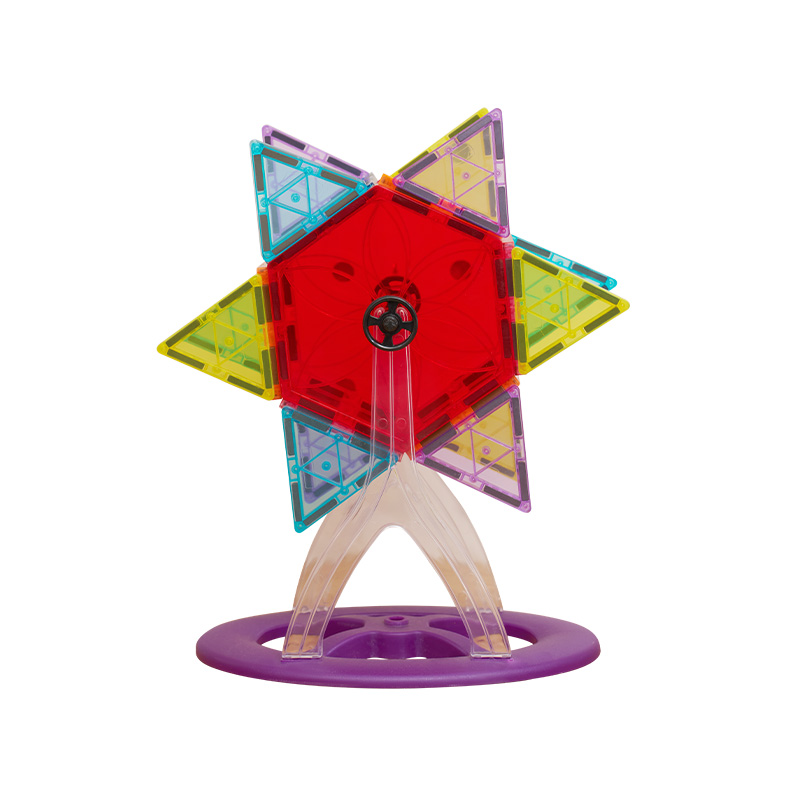
The Transparent Color Ferris Wheel Rotating Magnetic Tiles offer a creative and interactive play experience. Designed to...
See Details
Copyright © Jinhua Xinli Magnetic Industry and Trade Co., Ltd. All Rights Reserved.

Magnet Easy Toy Manufacturer