
 English
 русский
 Español
Color Magnetic Stick And Buck Ball Set, Educational Decompression And Multi-Shape Building Block Toy
The Color Magnetic Stick and Bucky Ball Set is a versatile and engaging educational toy designed to enhance spatial imag...
See Details
Children do not need a classroom worksheet to start exploring basic engineering ideas. A set of educational magnetic building blocks can turn simple construction play into hands-on challenges involving geometry, balance, force, and spatial reasoning. Each magnetic connection gives children immediate feedback, allowing them to test an idea, observe the result, and rebuild it in another way.
That combination makes magnetic construction toys different from blocks that simply stack vertically. The connection system itself becomes part of the learning experience.
Geometry becomes easier to understand once children can manipulate physical shapes. Square, triangle, rectangle, polygon, and other components can form structures that move from a flat pattern into a three-dimensional model.
This 2D-to-3D transition gives educational magnetic building blocks a practical role in early STEM activities. Children can physically rotate, connect, separate, and rebuild components rather than only looking at diagrams.

Magnetic connection adds another layer of experimentation. Pieces need to meet at suitable edges or surfaces, and the resulting structure depends on connection direction, weight distribution, and the number of supporting pieces.
Such activities introduce cause-and-effect without turning play into a formal lesson. A tower that falls provides immediate information about the design, encouraging another construction attempt.
STEM challenges do not need complicated equipment. A magnetic building set can create simple tasks such as building the tallest stable tower, constructing a bridge between two objects, or creating a structure that supports a lightweight toy.
These activities encourage planning, testing, measurement, and redesign. Educational magnetic building blocks therefore offer a physical environment where children can see the consequences of their decisions.
Product construction can influence the quality of these activities. Useful design elements include multiple geometric shapes, securely enclosed magnets, smooth plastic edges, translucent or colorful surfaces, and connectors that allow multi-directional building.
Set size also changes the range of possible challenges. Smaller sets may support basic towers and patterns, while sets containing dozens or more pieces can support larger structures, collaborative projects, and more complicated geometric models. Some current magnetic building sets are designed around open-ended construction, allowing children to move between flat designs and 3D creations.
Magnetic construction toys require appropriate product engineering and age guidance. Magnets should remain securely enclosed inside each component, while damaged pieces should be removed from play. Australian product-safety guidance specifically recommends checking that magnets are securely embedded and following the stated age grading.
Safe construction gives children more room to experiment with structures, shapes, and magnetic connections without turning the learning activity into a safety concern.
Educational magnetic building blocks can transform an ordinary building session into a sequence of small STEM experiments. Geometry becomes tangible, magnetic force becomes observable, and structural problems become opportunities for redesign.
The strongest educational value comes from the freedom to build, test, change, and try again. Rather than providing just a fixed model to copy, magnetic construction systems can give children a flexible platform for exploring how shapes, forces, and structures work together.
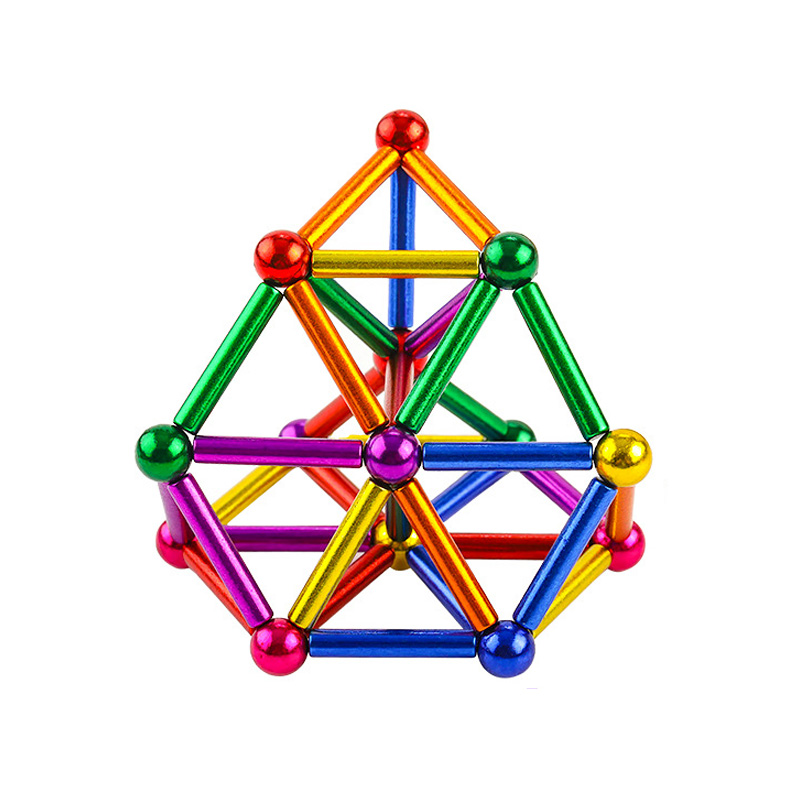
The Color Magnetic Stick and Bucky Ball Set is a versatile and engaging educational toy designed to enhance spatial imag...
See Details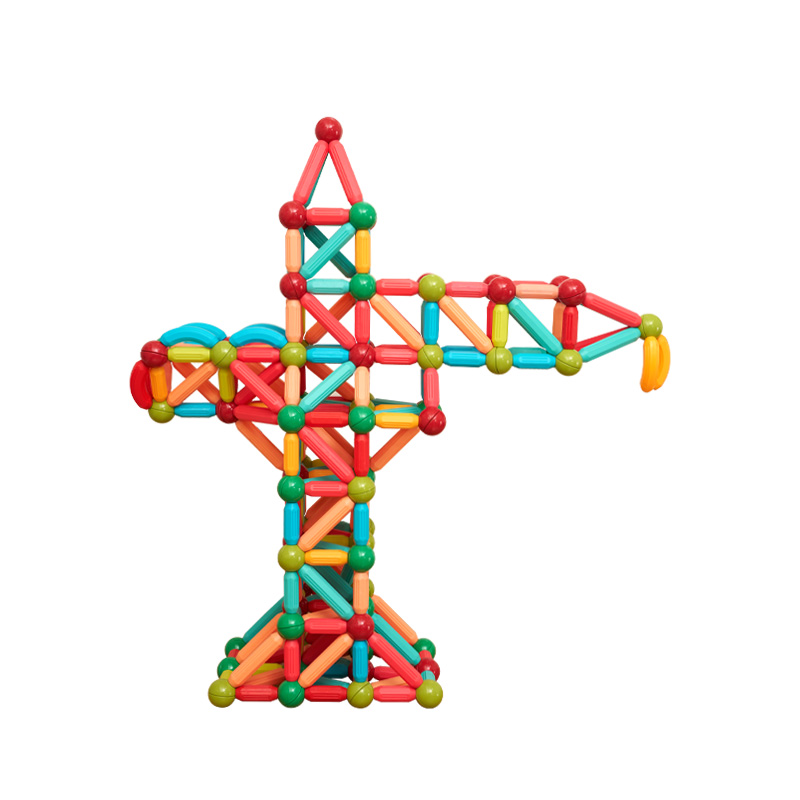
The Colorful Educational Magnetic Stick and Children's Magnetic Building Block Toy is an innovative and engaging toy des...
See Details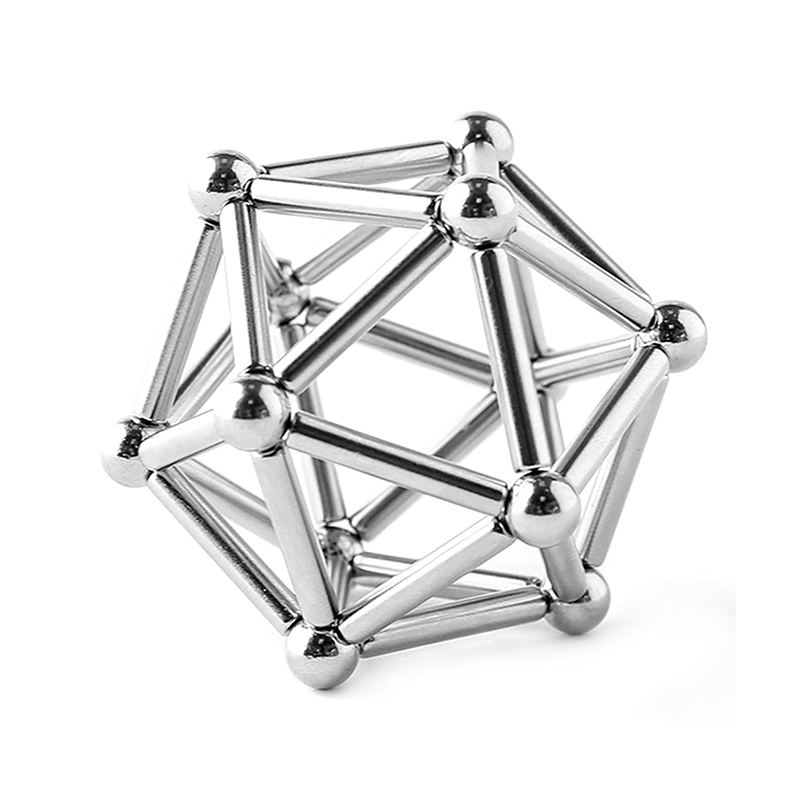
The Boxed Magnetic Stick and Bucky Ball Set is a versatile and engaging toy set designed for creativity and fun. This co...
See Details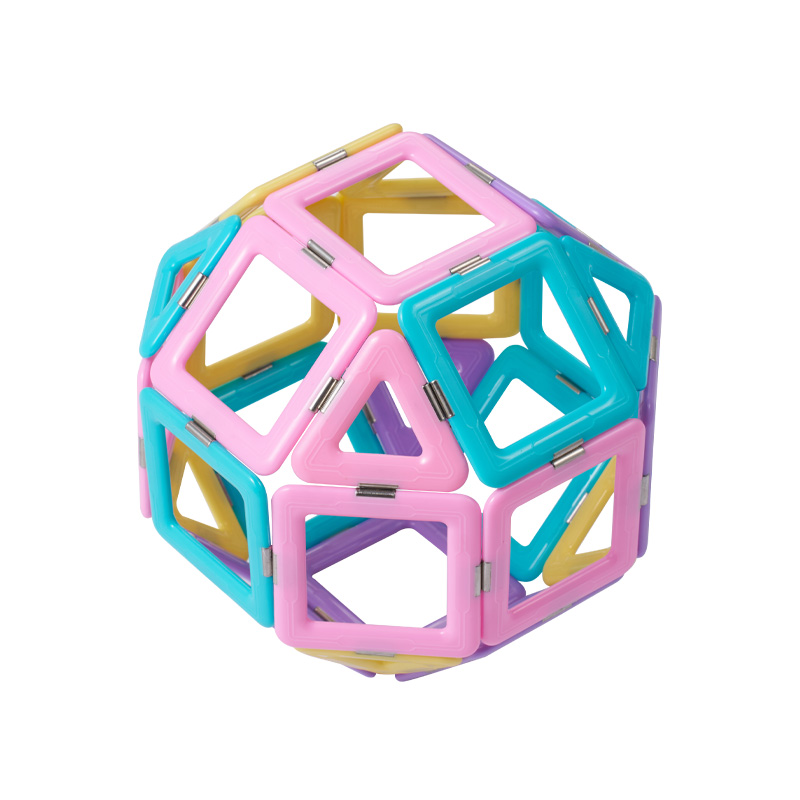
The Candy Color Magnetic Tiles Educational Toy for Children is an engaging and interactive set designed to promote creat...
See Details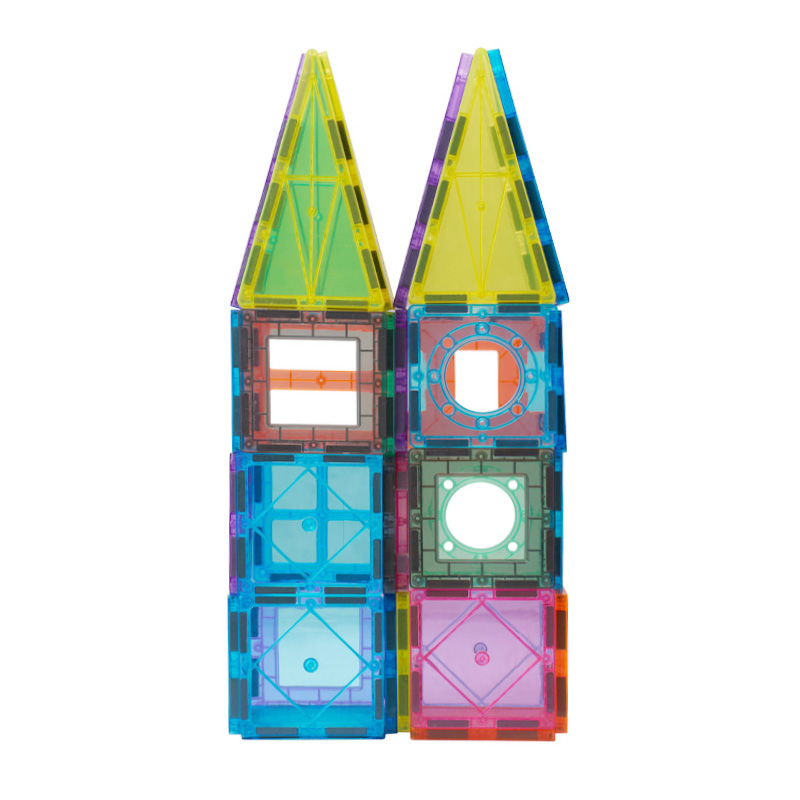
The Semi-transparent Color Window Magnetic Tiles are designed with ABS material, ensuring a smooth, rounded finish that ...
See Details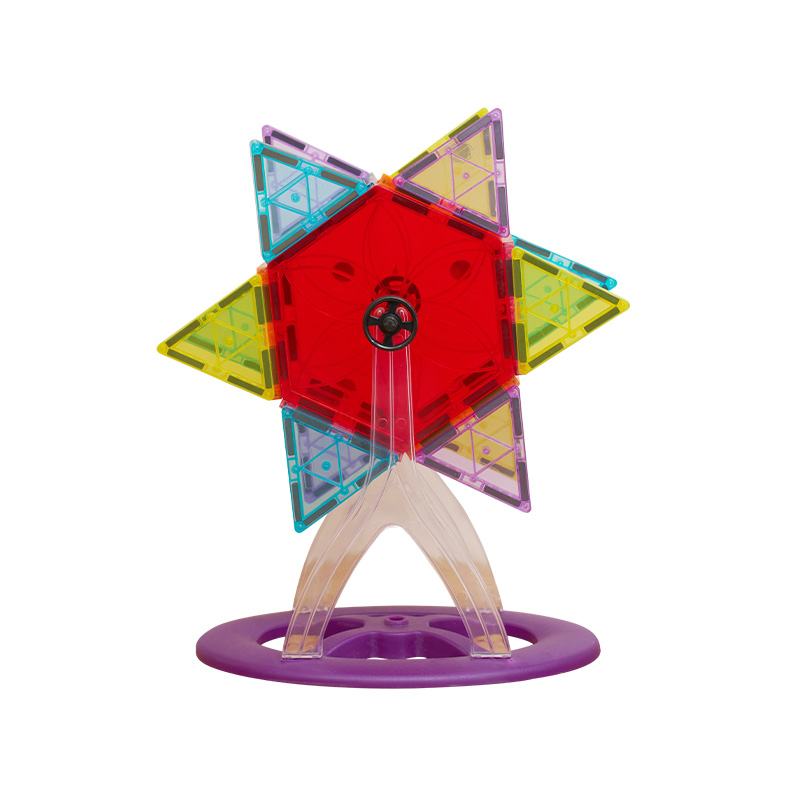
The Transparent Color Ferris Wheel Rotating Magnetic Tiles offer a creative and interactive play experience. Designed to...
See Details
Copyright © Jinhua Xinli Magnetic Industry and Trade Co., Ltd. All Rights Reserved.

Magnet Easy Toy Manufacturer