
 English
 русский
 Español
Color Magnetic Stick And Buck Ball Set, Educational Decompression And Multi-Shape Building Block Toy
The Color Magnetic Stick and Bucky Ball Set is a versatile and engaging educational toy designed to enhance spatial imag...
See Details
Blocks are only the starting point of magnetic play. With some simple materials, children can explore patterns, characters, vehicles, houses, animals, and miniature scenes through homemade magnetic toys. The magnetic connection gives each creation a flexible structure, making it easy to take apart and rebuild into something completely different.
DIY magnetic play can also change the role of a toy. Instead of following a fixed assembly guide, children can decide what they want to create and how individual pieces should work together.
Magnetic pieces can become part of imaginative scenes rather than staying as simple geometric structures. A few basic shapes can support several different play themes.
Such projects give children a reason to keep changing their constructions. The finished model becomes part of a story rather than simply an object placed on a shelf.
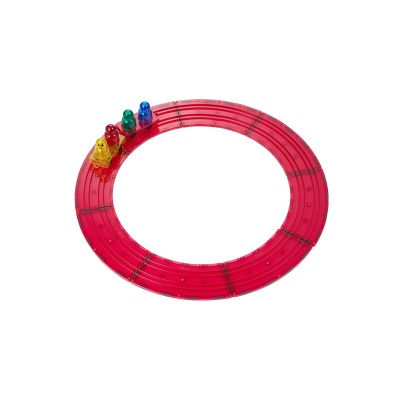
Not every homemade project needs dozens of construction pieces. A flat magnetic surface can become a reusable activity board for shapes, letters, numbers, pictures, and simple scenes. A baking tray or magnetic whiteboard can provide a practical base, while larger flat magnetic pieces can be moved around the surface. Similar DIY magnetic play activities are already used to support shape recognition, counting, colors, and fine motor practice.
The design of magnetic components has a direct effect on the types of projects children can create. A useful DIY-oriented set may include several geometric forms rather than relying on only square pieces.
Some magnetic tile activities use combinations of squares, equilateral triangles, isosceles triangles, and right triangles to create detailed structures such as towers and vehicle ramps.
The appeal of homemade magnetic toys comes from the ability to modify the activity around a child's interests. A construction set can become a farm today, a city tomorrow, and a space station later.
Simple additions can also change the play experience:
DIY does not remove the need for careful product design. Loose or small powerful magnets can create serious risks if swallowed. CPSC guidance warns that multiple swallowed magnets can attract inside the body and cause severe internal injuries.
Magnetic toy components should therefore use securely enclosed magnets, suitable dimensions, clear age guidance, and appropriate supervision. Australian product-safety guidance also recommends checking that magnets remain securely embedded and removing products from use once magnets become loose.
Homemade magnetic toys can go well beyond basic blocks. Their real creative potential comes from combining construction pieces with storytelling, drawing, figures, vehicles, and reusable play surfaces.
Such flexibility gives children more ways to decide what a toy becomes. A few magnetic shapes can serve as building components, storytelling props, puzzle elements, or parts of a miniature world, allowing the same basic materials to support a changing play experience.
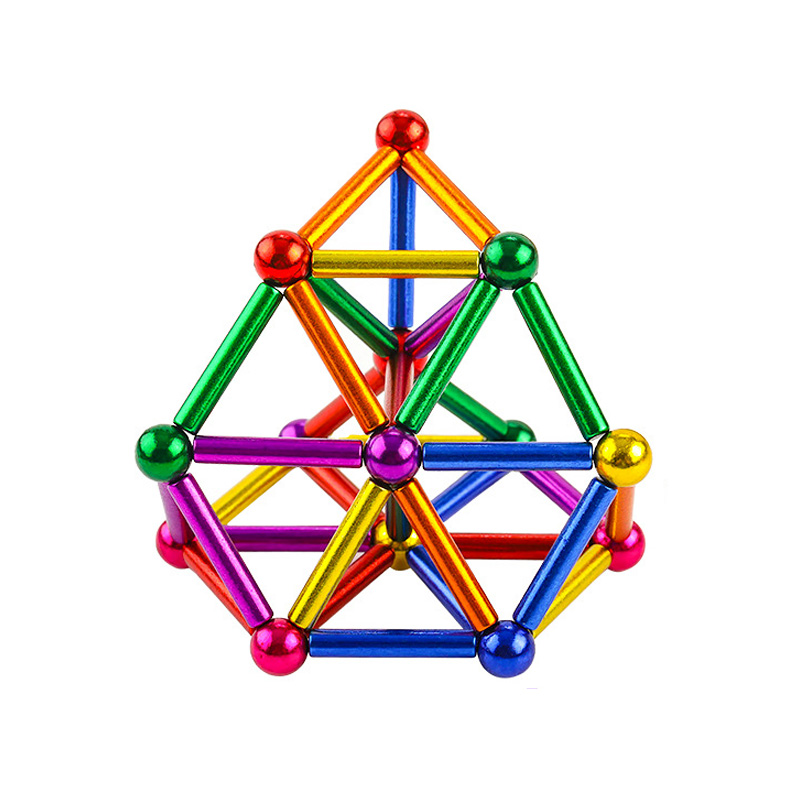
The Color Magnetic Stick and Bucky Ball Set is a versatile and engaging educational toy designed to enhance spatial imag...
See Details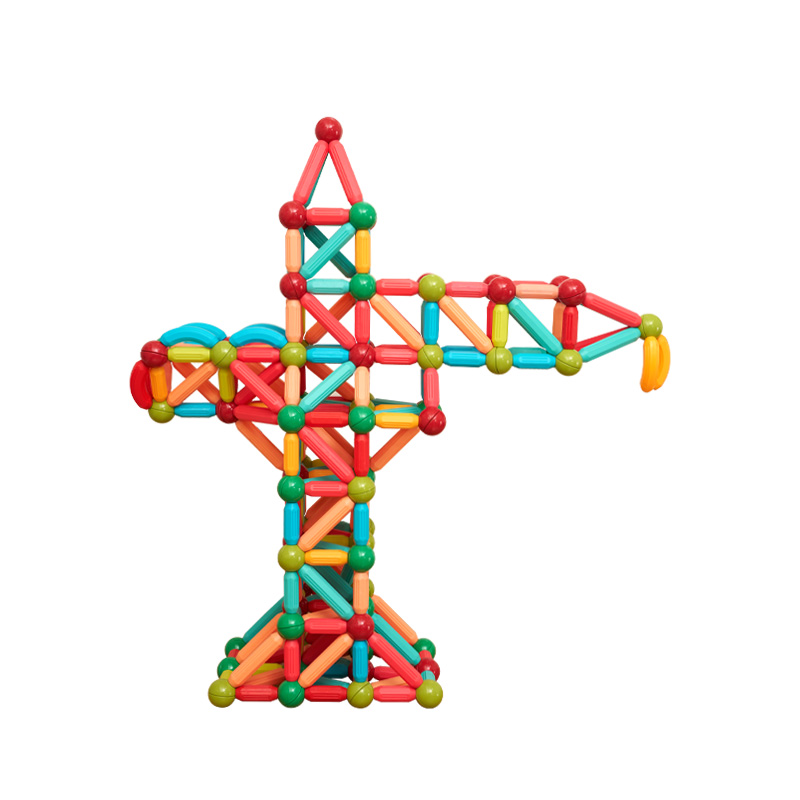
The Colorful Educational Magnetic Stick and Children's Magnetic Building Block Toy is an innovative and engaging toy des...
See Details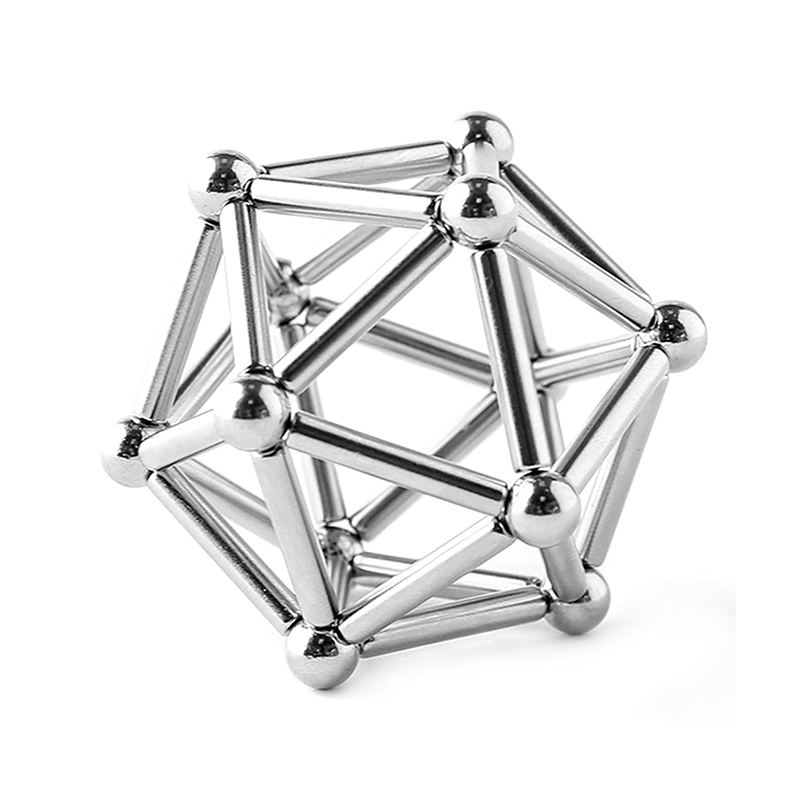
The Boxed Magnetic Stick and Bucky Ball Set is a versatile and engaging toy set designed for creativity and fun. This co...
See Details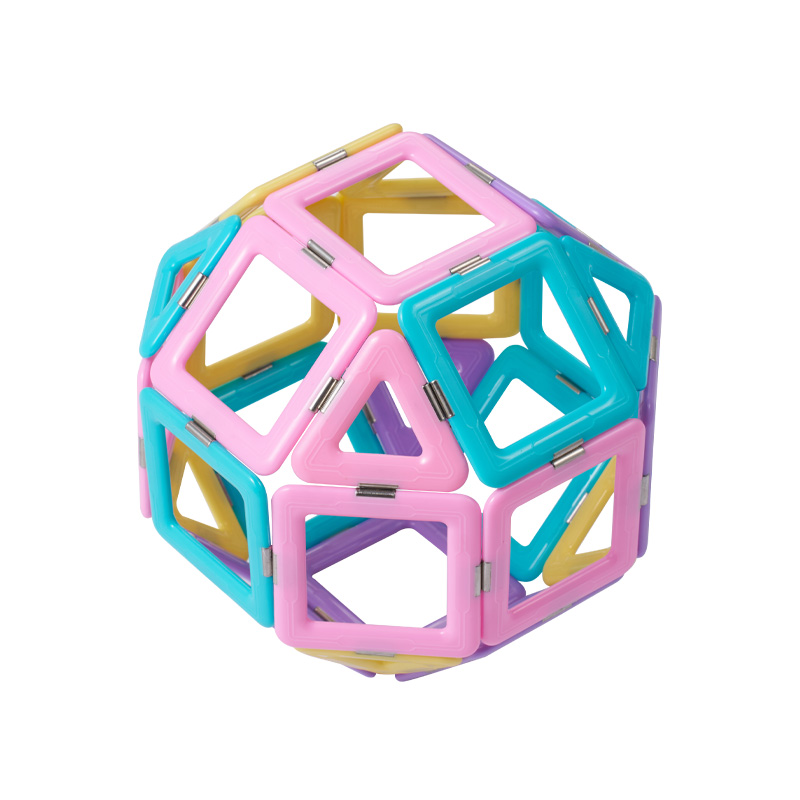
The Candy Color Magnetic Tiles Educational Toy for Children is an engaging and interactive set designed to promote creat...
See Details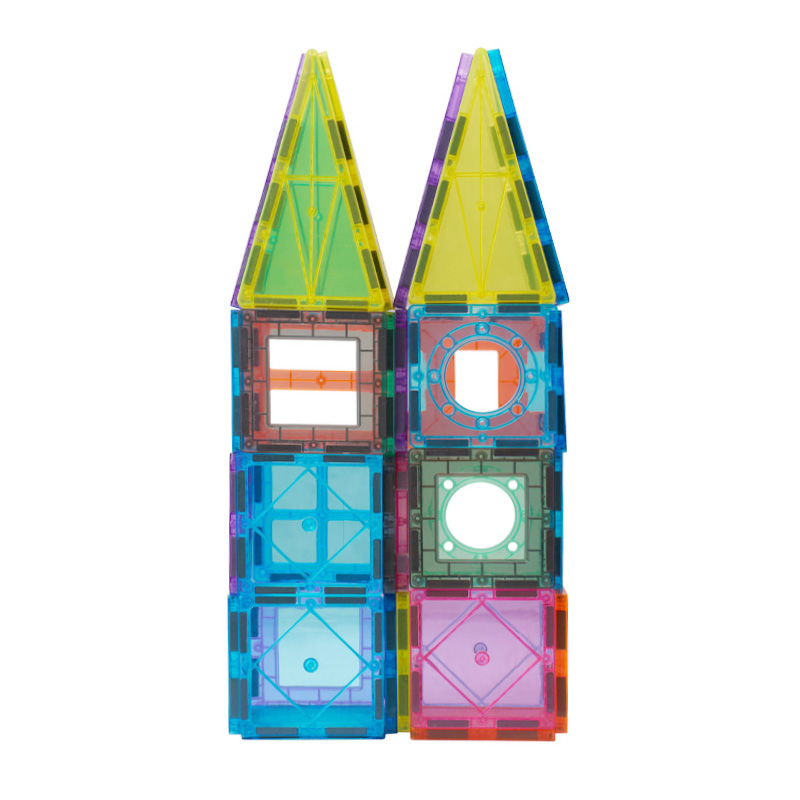
The Semi-transparent Color Window Magnetic Tiles are designed with ABS material, ensuring a smooth, rounded finish that ...
See Details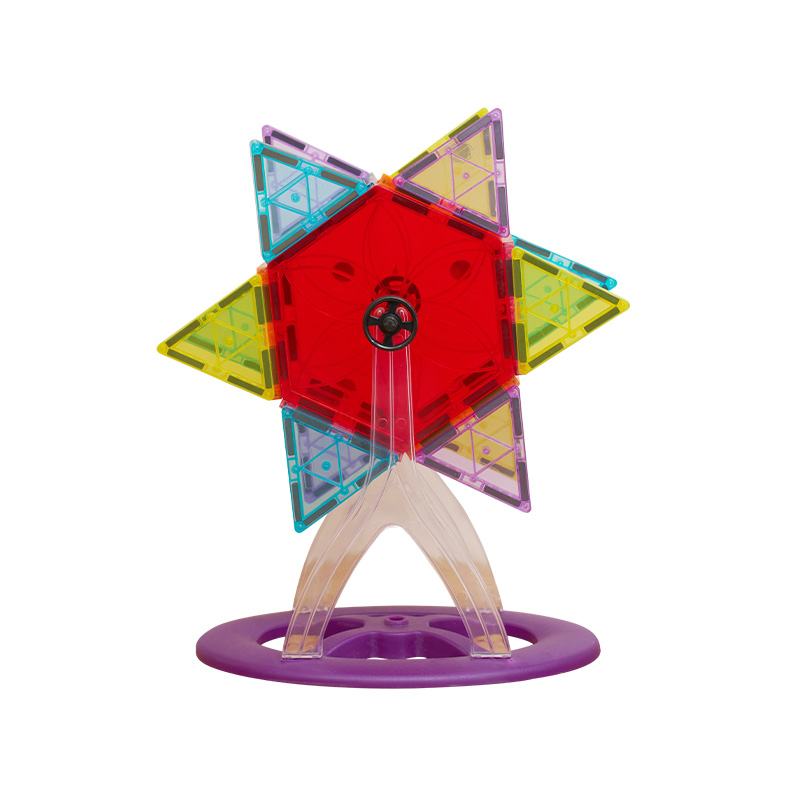
The Transparent Color Ferris Wheel Rotating Magnetic Tiles offer a creative and interactive play experience. Designed to...
See Details
Copyright © Jinhua Xinli Magnetic Industry and Trade Co., Ltd. All Rights Reserved.

Magnet Easy Toy Manufacturer