
 English
 русский
 Español
Color Magnetic Stick And Buck Ball Set, Educational Decompression And Multi-Shape Building Block Toy
The Color Magnetic Stick and Bucky Ball Set is a versatile and engaging educational toy designed to enhance spatial imag...
See Details
Parents and educators often look for toys that can keep young children engaged without creating unnecessary distractions. Sensory-focused toys have become popular because they combine touch, visual stimulation, and interactive movement within one activity. Among these options, Sensory Magnetic Building Cubes attract attention because they allow children to build, connect, separate, and redesign structures repeatedly.
The question is not simply whether magnetic sensory toys improve concentration or cause overstimulation. The answer depends on factors such as product design, play environment, child age, and how the toy is introduced. Research on block play suggests that construction activities can support attention-related behaviors and cognitive development, while sensory experiences require suitable levels of stimulation to remain beneficial.
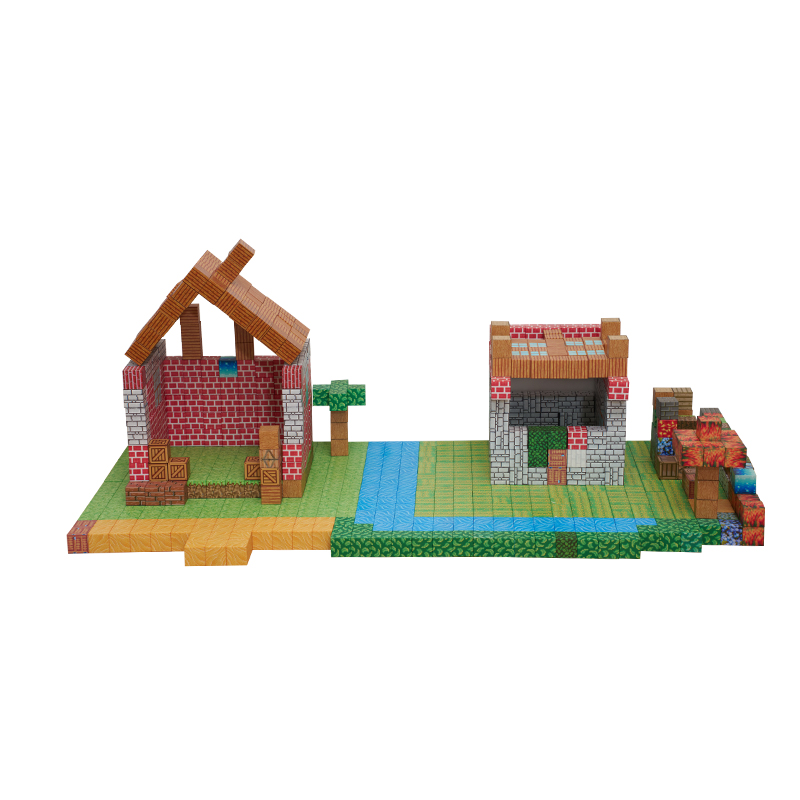
Young children usually develop attention through activities that involve active participation. Passive entertainment may provide short-term excitement, while construction play requires children to observe, plan, and adjust their actions.
Block play research has found relationships between construction activities and children's spatial abilities, attention, and problem-solving processes. A study examining block-based activities reported that structured building experiences can influence spatial processing skills.
A sensory toy works by providing feedback through different channels. Magnetic cubes combine several elements that naturally attract children's attention.
A typical Sensory Magnetic Building Cubes set may include ABS plastic cubes, internal neodymium magnets, rounded edges, and multiple color combinations. Cube dimensions are commonly designed around 3–5 cm per piece, allowing preschool children to grip and connect components comfortably.
Although sensory play can support engagement, excessive stimulation may make it harder for some children to focus. Sensory overload usually occurs because of too many competing inputs rather than one specific toy feature.
Research on attention development highlights that young children's ability to filter competing information is still developing. The surrounding environment plays an important role in how children manage attention.
Not every magnetic cube system creates the same play experience. Several design details affect whether children stay engaged or become distracted.
Good sensory toy design is not about adding more features. It is about creating meaningful interaction between the child and the object.
Children have different attention styles. A toy that helps one child concentrate may not create the same experience for another.
Parents often report that hands-on construction toys can replace short screen-based activities with more physical interaction. However, individual responses vary, and the toy should match the child's developmental stage.
The surrounding setup can determine whether magnetic cubes become a focused learning tool or a distracting activity.
Sensory benefits should always be combined with safe product standards. Magnetic components need secure encapsulation, durable housing, and regular inspection.
Sensory Magnetic Building Cubes are not designed simply to entertain children with colors and movement. Their value comes from combining sensory feedback with construction thinking, creativity, and problem-solving.
The difference between productive stimulation and distraction often depends on the relationship between the toy, the child, and the environment. A carefully designed magnetic cube set with suitable complexity can encourage focused exploration, while excessive options or unsuitable play conditions may reduce attention quality.
As parents and educators continue searching for screen-free learning tools, magnetic sensory construction toys show potential as flexible resources for developing concentration, coordination, and creative thinking through active play.
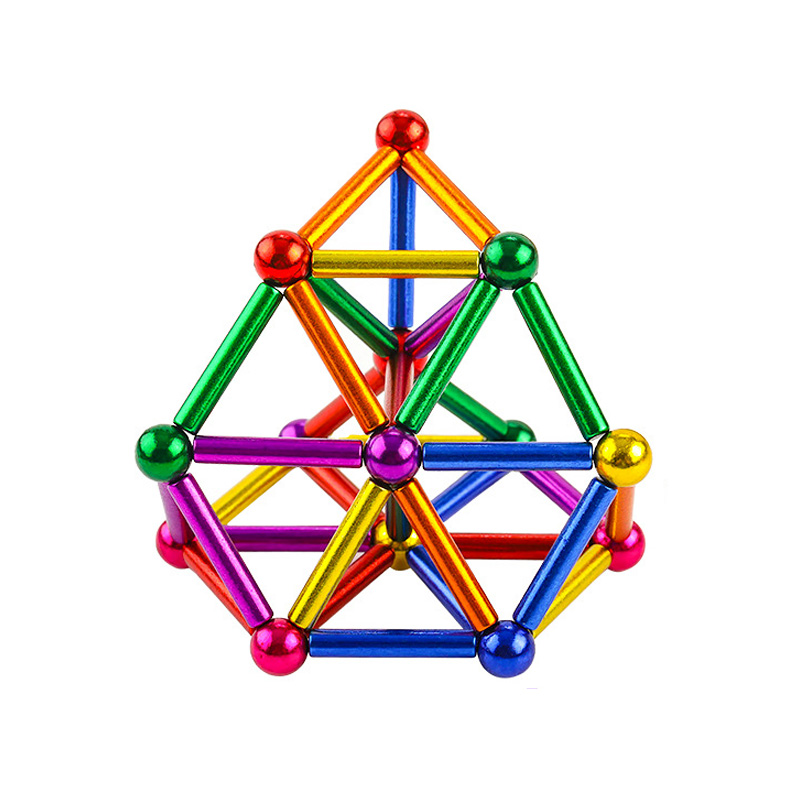
The Color Magnetic Stick and Bucky Ball Set is a versatile and engaging educational toy designed to enhance spatial imag...
See Details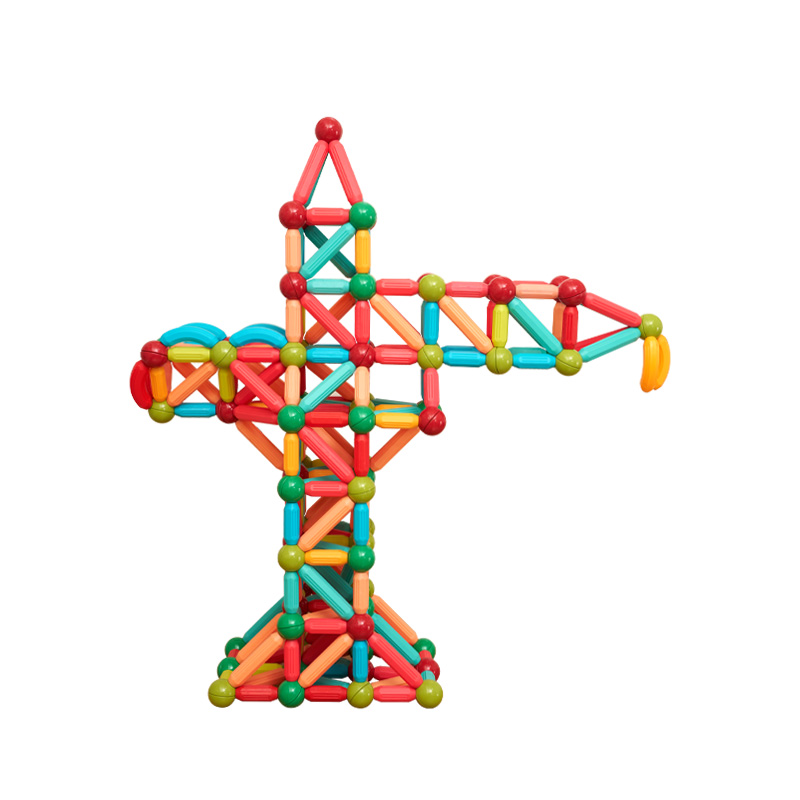
The Colorful Educational Magnetic Stick and Children's Magnetic Building Block Toy is an innovative and engaging toy des...
See Details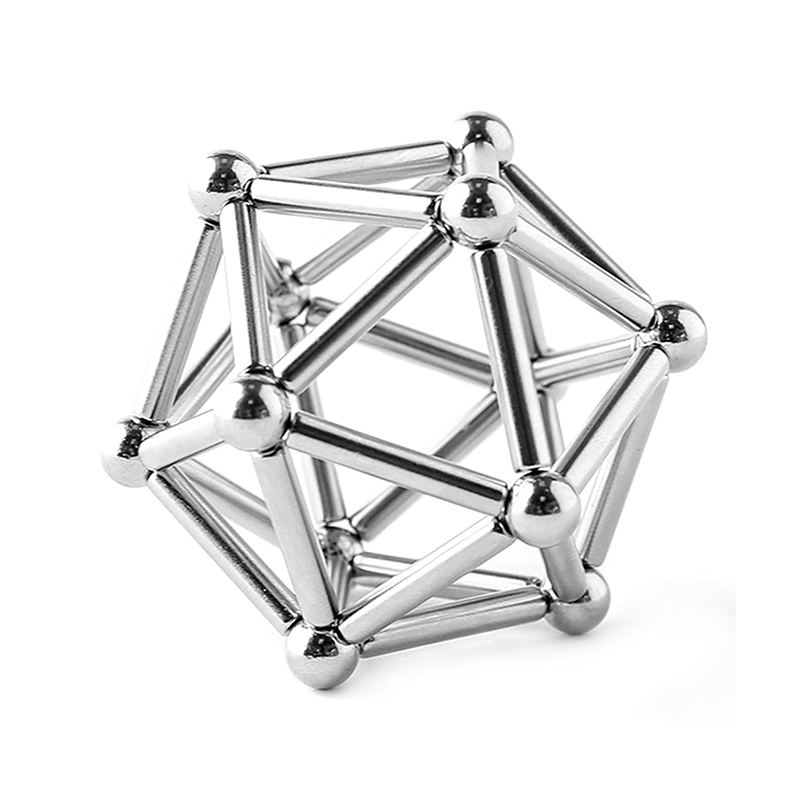
The Boxed Magnetic Stick and Bucky Ball Set is a versatile and engaging toy set designed for creativity and fun. This co...
See Details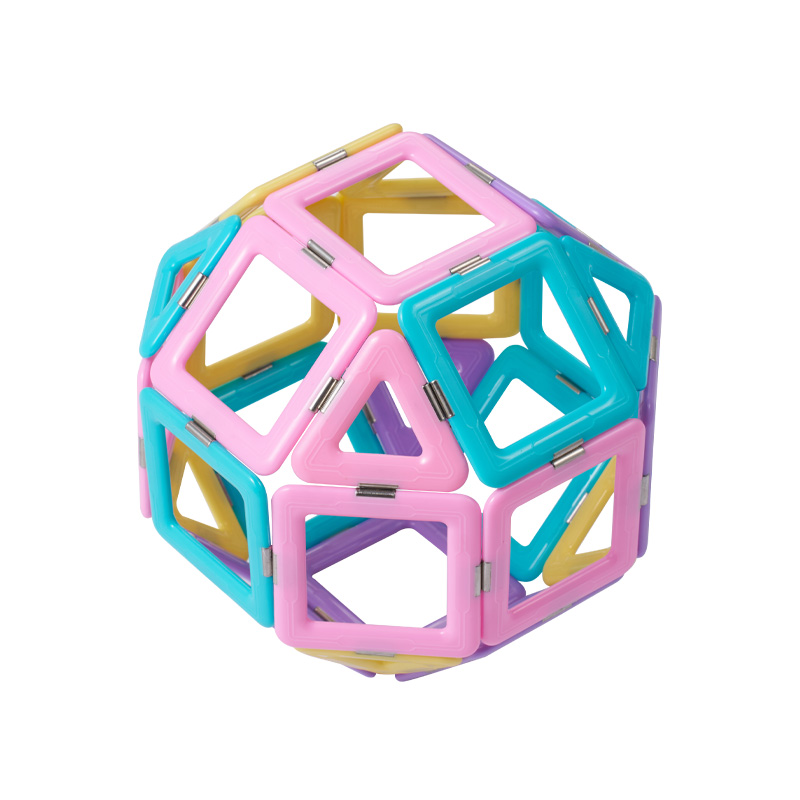
The Candy Color Magnetic Tiles Educational Toy for Children is an engaging and interactive set designed to promote creat...
See Details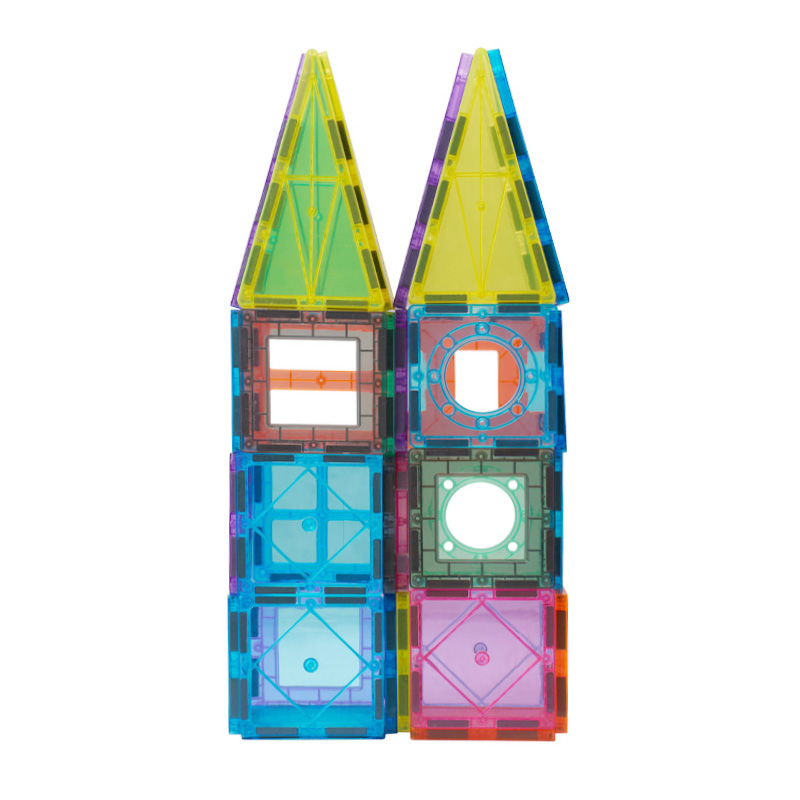
The Semi-transparent Color Window Magnetic Tiles are designed with ABS material, ensuring a smooth, rounded finish that ...
See Details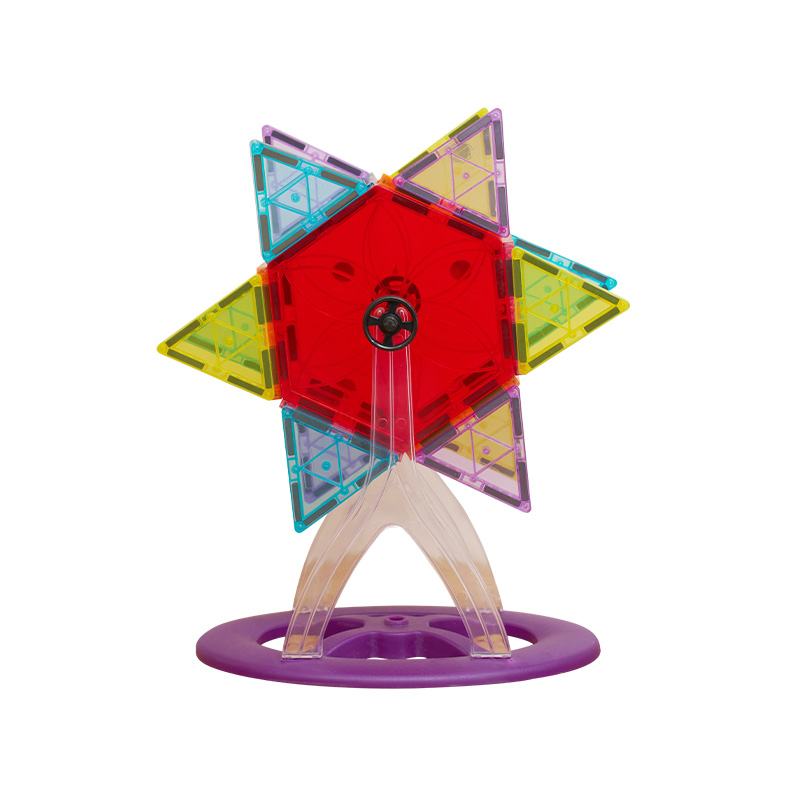
The Transparent Color Ferris Wheel Rotating Magnetic Tiles offer a creative and interactive play experience. Designed to...
See Details
Copyright © Jinhua Xinli Magnetic Industry and Trade Co., Ltd. All Rights Reserved.

Magnet Easy Toy Manufacturer