
 English
 русский
 Español
Color Magnetic Stick And Buck Ball Set, Educational Decompression And Multi-Shape Building Block Toy
The Color Magnetic Stick and Bucky Ball Set is a versatile and engaging educational toy designed to enhance spatial imag...
See Details
Preschool classrooms are changing from traditional learning spaces into environments that encourage exploration, construction, and hands-on problem solving. Among various educational toys, magnetic building systems have gained attention because they allow children to create structures while naturally practicing shape recognition, balance, and spatial relationships.
A Magnetic Tiles Play Set combines geometric pieces, embedded magnets, and open-ended building activities. Unlike toys with fixed outcomes, magnetic tiles allow children to test ideas, adjust designs, and understand how different shapes work together. Research on early childhood development shows that spatial skills developed through hands-on activities are closely associated with later mathematics and STEM learning abilities.

Young children are developing spatial awareness through daily movement and interaction. Magnetic tiles provide a physical way to explore concepts that are usually difficult to explain through words alone.
This process supports mental rotation skills, which involve imagining how objects look from different angles. Studies have shown that early spatial experiences, including construction and puzzle activities, can support children's ability to handle spatial transformation tasks.
Preschool learning environments usually focus on exploration rather than memorizing fixed answers. Magnetic tiles fit this approach because one set can create countless designs.
This type of learning experience matches findings from block play research, which suggests that construction activities can support geometry understanding, spatial reasoning, and problem-solving abilities among preschool children.
The physical design of a magnetic tile system influences how children interact with it. A well-designed Magnetic Tiles Play Set needs a balance between connection strength and easy handling.
A typical preschool magnetic tile may measure around 7–8 cm per side, with rounded edges and sealed magnet compartments designed for repeated classroom use.
Spatial thinking is a foundation for many STEM-related skills. Construction activities allow children to experience basic engineering concepts without formal instruction.
These activities create a bridge between play and engineering concepts. A child building a magnetic tower is already experimenting with structure, proportion, and physical relationships.
Although magnetic tiles encourage independent creativity, guided questions can help children develop stronger spatial language.
Adding language during construction helps children connect physical objects with abstract ideas. Words such as rotate, corner, edge, symmetry, and distance become easier to understand through direct experience.
Different construction toys provide different learning opportunities.
Physical construction remains valuable because children can touch, move, and observe real objects. Research comparing concrete and digital spatial interventions highlights the importance of hands-on experiences for young children's spatial development.
Educational value depends on appropriate product design and classroom management. Magnetic toys should use fully enclosed magnets, durable plastic shells, and age-appropriate dimensions.
As early education continues to emphasize creativity, problem solving, and STEM preparation, construction toys are becoming important learning tools rather than simple entertainment products.
A Magnetic Tiles Play Set gives preschool children a flexible platform to explore geometry, design thinking, and spatial relationships through active play. The combination of colorful shapes, magnetic connections, and open-ended building possibilities creates learning experiences that develop naturally through curiosity.
From a classroom corner to a home play area, magnetic tiles demonstrate how simple physical materials can support complex thinking skills during the important early years of childhood development.
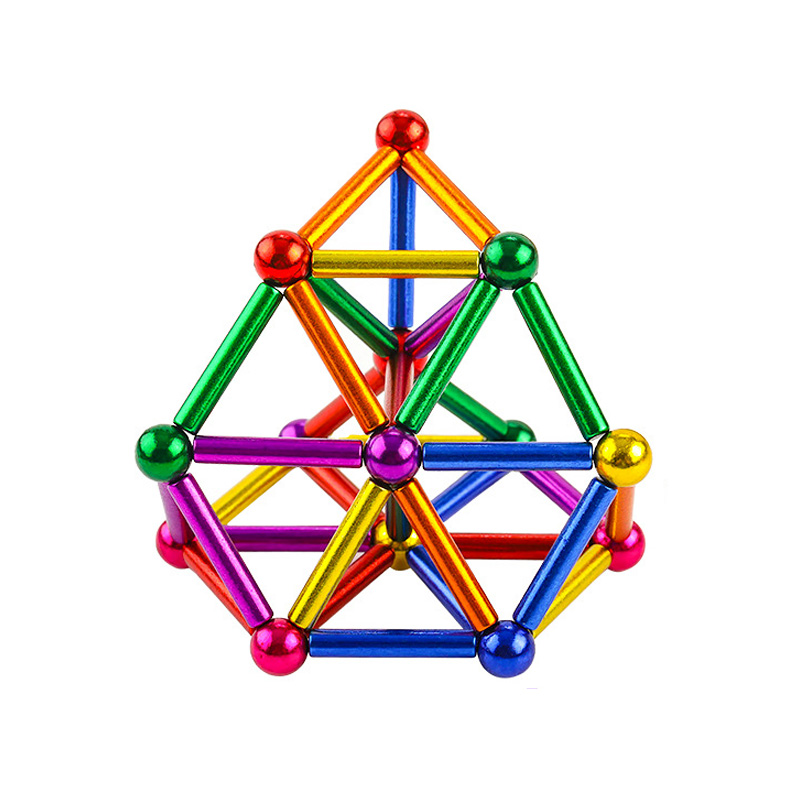
The Color Magnetic Stick and Bucky Ball Set is a versatile and engaging educational toy designed to enhance spatial imag...
See Details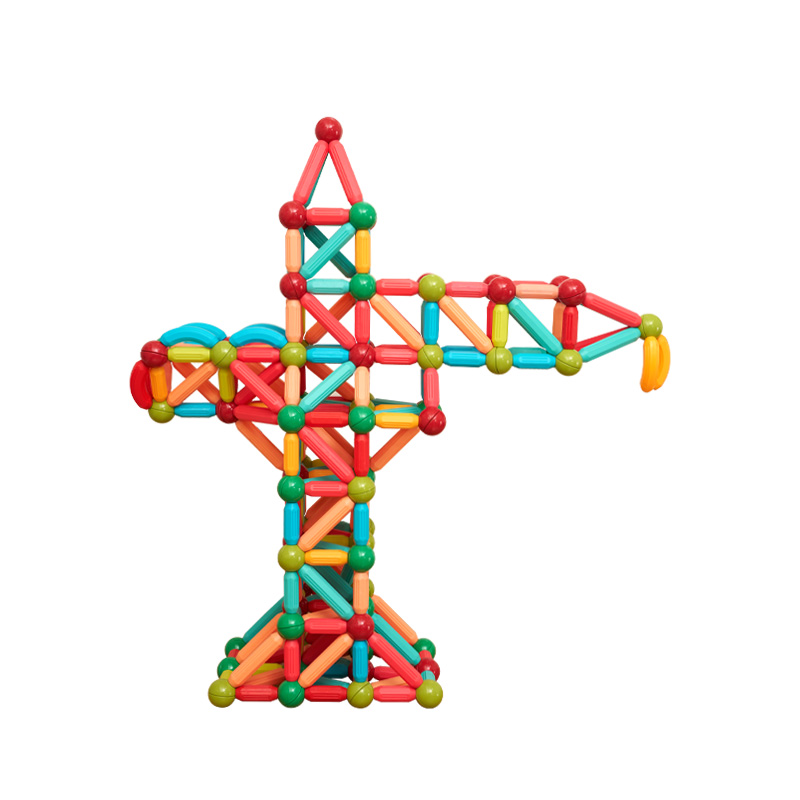
The Colorful Educational Magnetic Stick and Children's Magnetic Building Block Toy is an innovative and engaging toy des...
See Details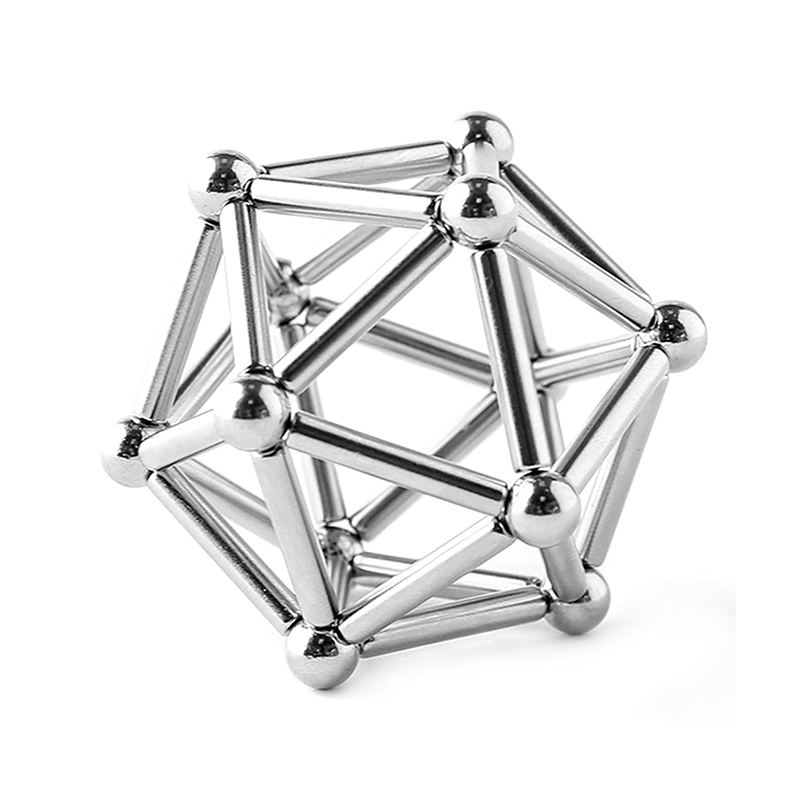
The Boxed Magnetic Stick and Bucky Ball Set is a versatile and engaging toy set designed for creativity and fun. This co...
See Details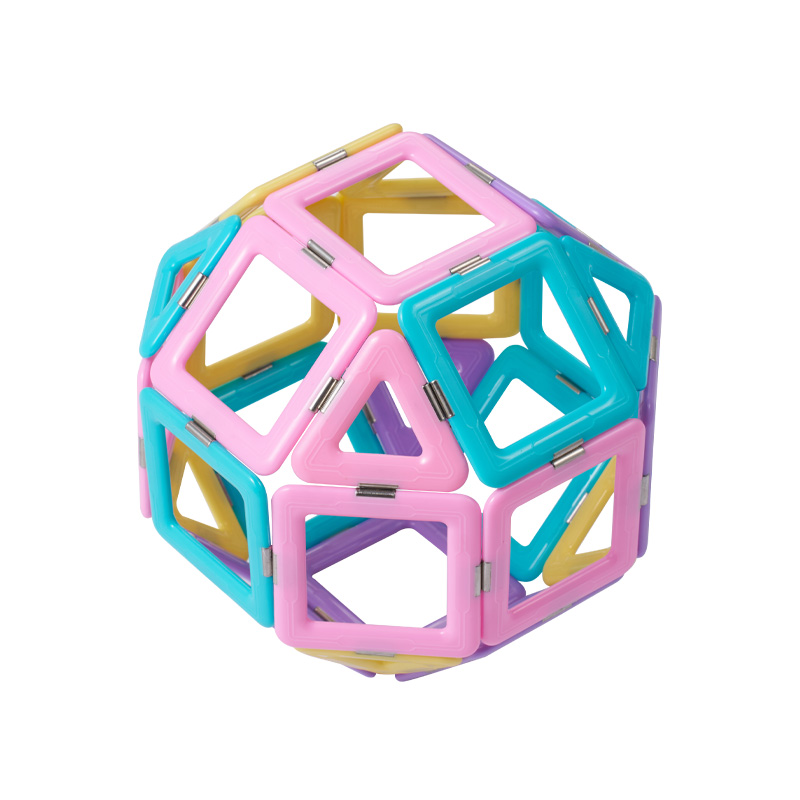
The Candy Color Magnetic Tiles Educational Toy for Children is an engaging and interactive set designed to promote creat...
See Details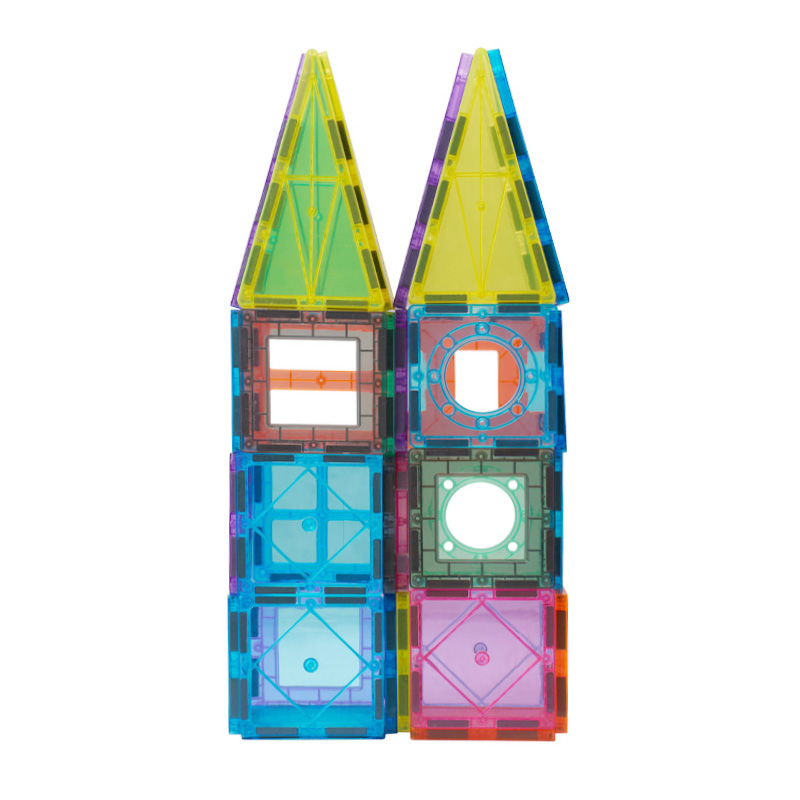
The Semi-transparent Color Window Magnetic Tiles are designed with ABS material, ensuring a smooth, rounded finish that ...
See Details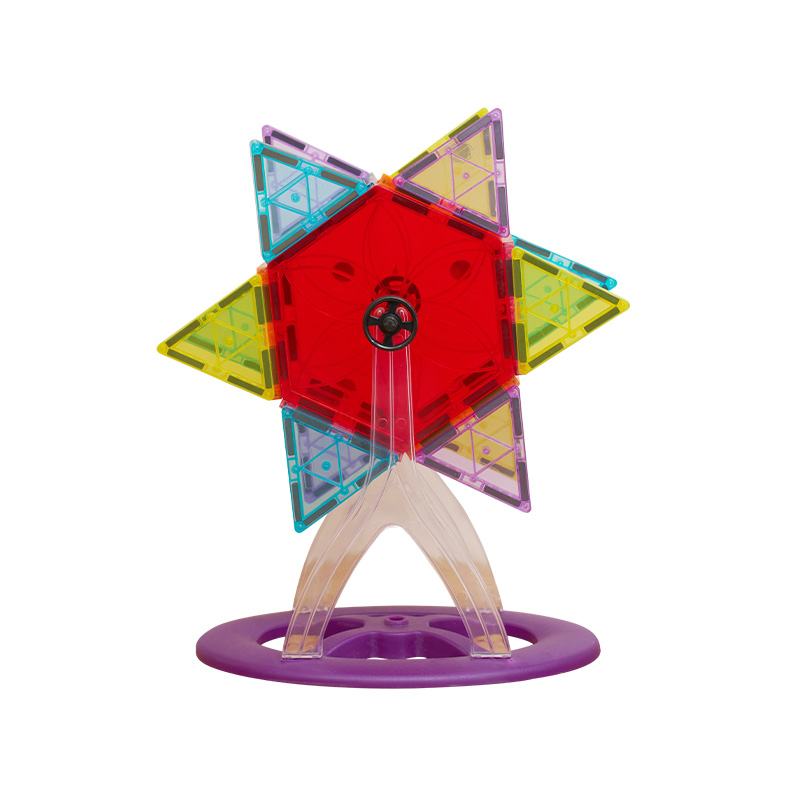
The Transparent Color Ferris Wheel Rotating Magnetic Tiles offer a creative and interactive play experience. Designed to...
See Details
Copyright © Jinhua Xinli Magnetic Industry and Trade Co., Ltd. All Rights Reserved.

Magnet Easy Toy Manufacturer