
 English
 русский
 Español
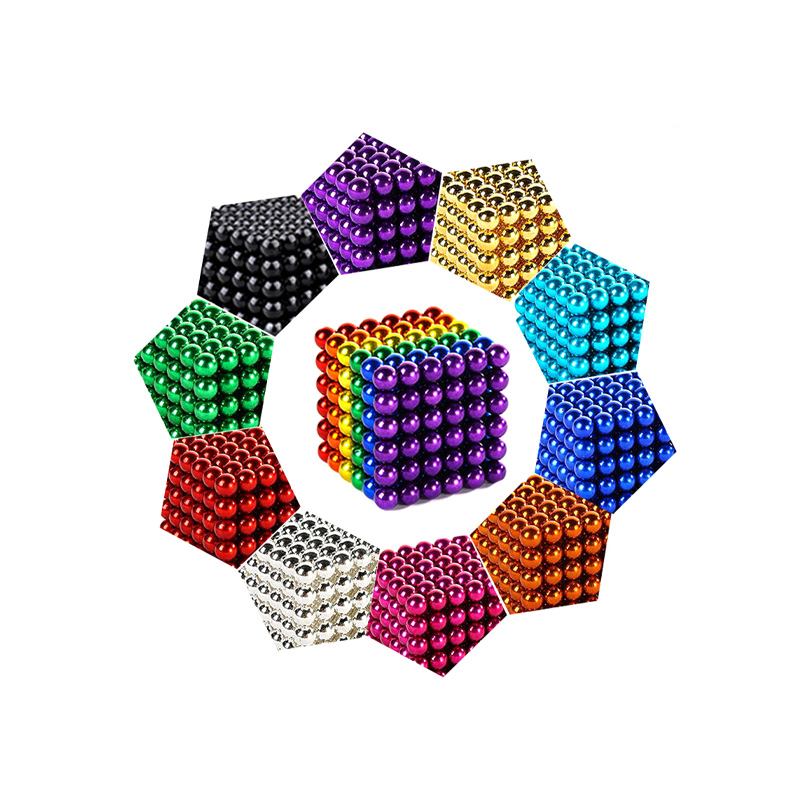
Color Magnetic Stick And Buck Ball Set, Educational Decompression And Multi-Shape Building Block Toy
The Color Magnetic Stick and Bucky Ball Set is a versatile and engaging educational toy designed to enhance spatial imag...
See Details
Children often build houses, towers, castles, and vehicles with magnetic construction toys. A new generation of building pieces has expanded those possibilities through light, color, and visual depth. Semi-Transparent Color Window Magnetic Tiles are attracting attention because they introduce architectural details that standard opaque blocks cannot easily create. Unlike traditional magnetic pieces, window-style translucent tiles allow light to pass through structures. This simple feature changes how children view their creations and adds another dimension to imaginative play. Parents and educators frequently ask whether these specialized pieces genuinely add value or merely serve as decorative accessories. A closer look at real-world play experiences reveals that transparent window tiles can significantly expand building opportunities while supporting spatial thinking, creativity, and visual exploration. Research and educational observations also suggest that transparent magnetic tiles help children explore color mixing, light interaction, and three-dimensional design concepts.
Standard magnetic tiles mainly focus on structural assembly. Window magnetic tiles introduce architectural elements that make buildings appear more realistic. Children can create:
Visual storytelling becomes easier because children can distinguish windows from walls without needing additional accessories. A simple building can quickly evolve into a detailed environment filled with characters, vehicles, and imaginative scenarios.
One reason Semi-Transparent Color Window Magnetic Tiles stand out is their interaction with natural and artificial light. Transparent panels allow sunlight to pass through structures, creating colorful reflections and shadow patterns. Educational activities involving magnetic tile shadows have become increasingly popular because children can observe how light changes throughout the day.
Positioning different colored windows together creates entirely new visual outcomes. Examples include:
These visual discoveries occur naturally during play and encourage experimentation with color relationships. Educational resources frequently highlight transparency and color exploration as valuable sensory experiences.
Window tiles are not only decorative components. They also function as structural building elements. Many quality magnetic window pieces use the same magnetic edge design as standard squares and triangles, allowing seamless integration into existing sets. Compatibility between various tile styles remains a major consideration for families expanding their collections. Common construction projects include:
Adding transparent sections makes large structures feel more complete and visually interesting.
Children naturally begin considering practical building questions. Instead of simply stacking pieces, they may ask:
Such decisions introduce basic architectural concepts in a playful manner. Studies and educational observations indicate that magnetic construction toys contribute to spatial reasoning and three-dimensional thinking by encouraging children to evaluate stability, angles, and structural relationships.
Parents typically focus on several product characteristics before purchasing window magnetic tiles.
High-quality products generally use durable ABS plastic with sealed magnets. BPA-free materials remain a common requirement among families.
Stable structures require sufficient magnetic attraction. Users often prefer products featuring:
Community discussions frequently mention magnet strength as one of the factors affecting long-term play satisfaction.
Another major concern involves magnet security. Many premium magnetic tiles utilize:
Parents often prioritize sealed magnet construction to reduce safety risks associated with detached magnets.
Transparent window pieces remain useful across different developmental stages. Younger children often enjoy:
Older children frequently create:
This broad usability helps window magnetic tiles remain engaging over many years of play.
Building toys continue to evolve beyond simple shape assembly. Semi-Transparent Color Window Magnetic Tiles introduce visual depth, light interaction, and architectural realism that standard pieces cannot easily provide. Colorful transparent panels transform ordinary towers into illuminated landmarks and simple houses into imaginative environments. Children gain opportunities to experiment with structure, design, and visual effects simultaneously. Rather than functioning as decorative extras, window magnetic tiles become active building components that inspire new construction ideas. Creative possibilities expand considerably once light, color, and architecture become part of the building experience, giving young builders fresh reasons to revisit their magnetic tile collections again and again.
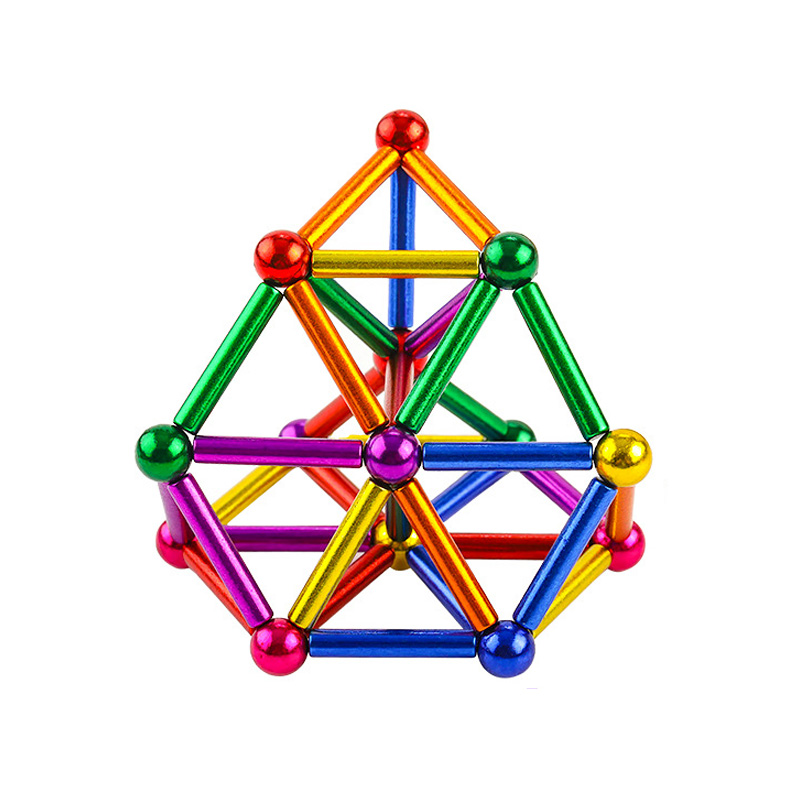
The Color Magnetic Stick and Bucky Ball Set is a versatile and engaging educational toy designed to enhance spatial imag...
See Details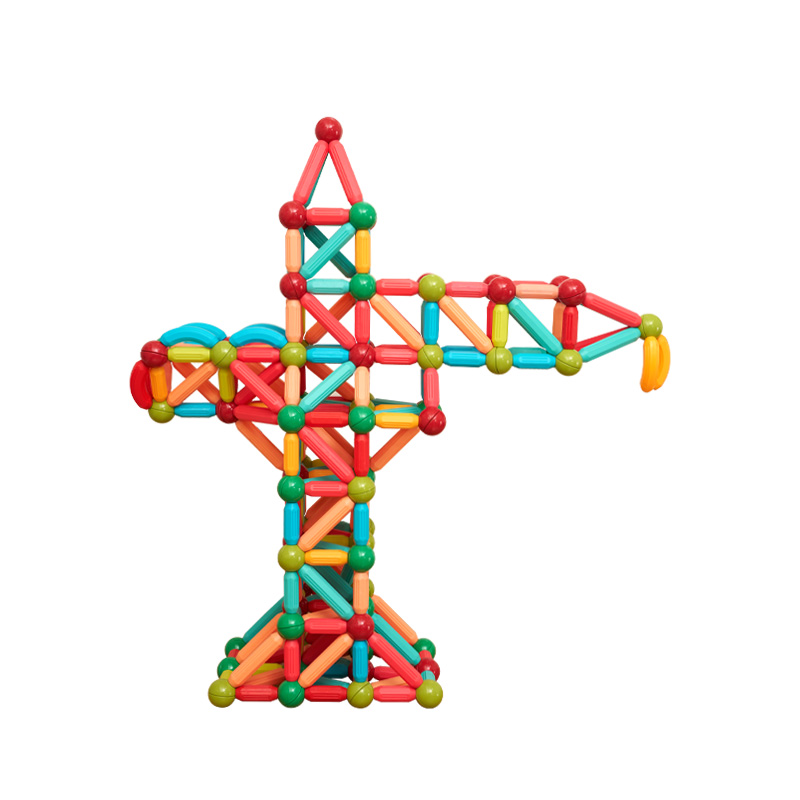
The Colorful Educational Magnetic Stick and Children's Magnetic Building Block Toy is an innovative and engaging toy des...
See Details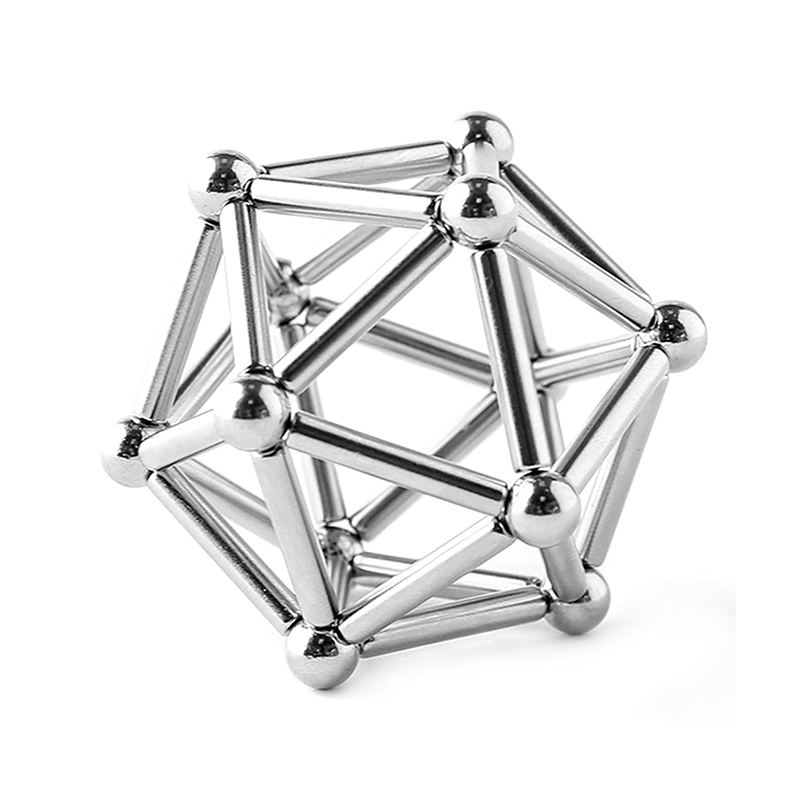
The Boxed Magnetic Stick and Bucky Ball Set is a versatile and engaging toy set designed for creativity and fun. This co...
See Details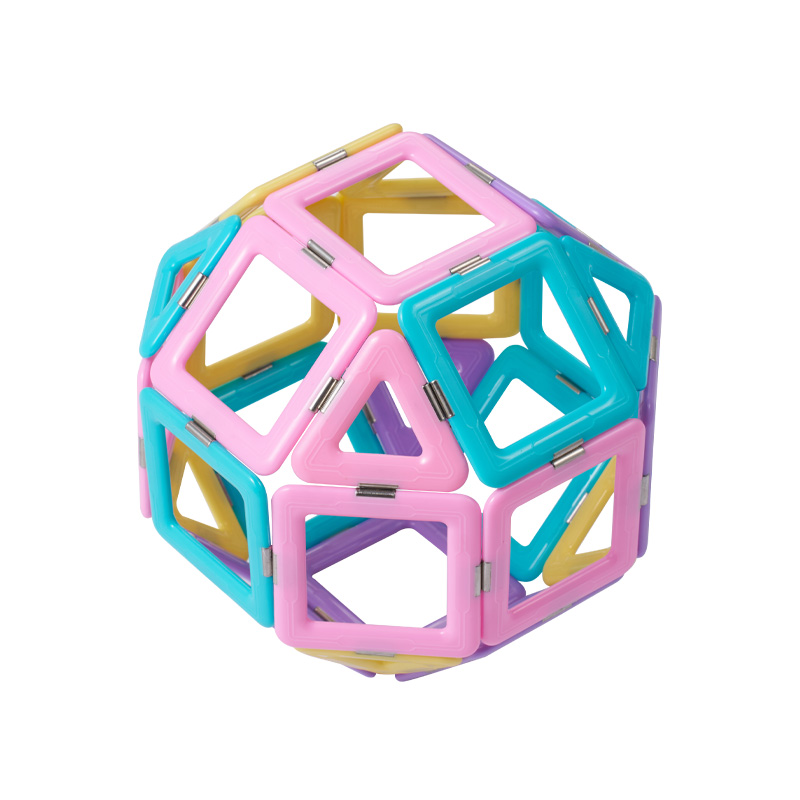
The Candy Color Magnetic Tiles Educational Toy for Children is an engaging and interactive set designed to promote creat...
See Details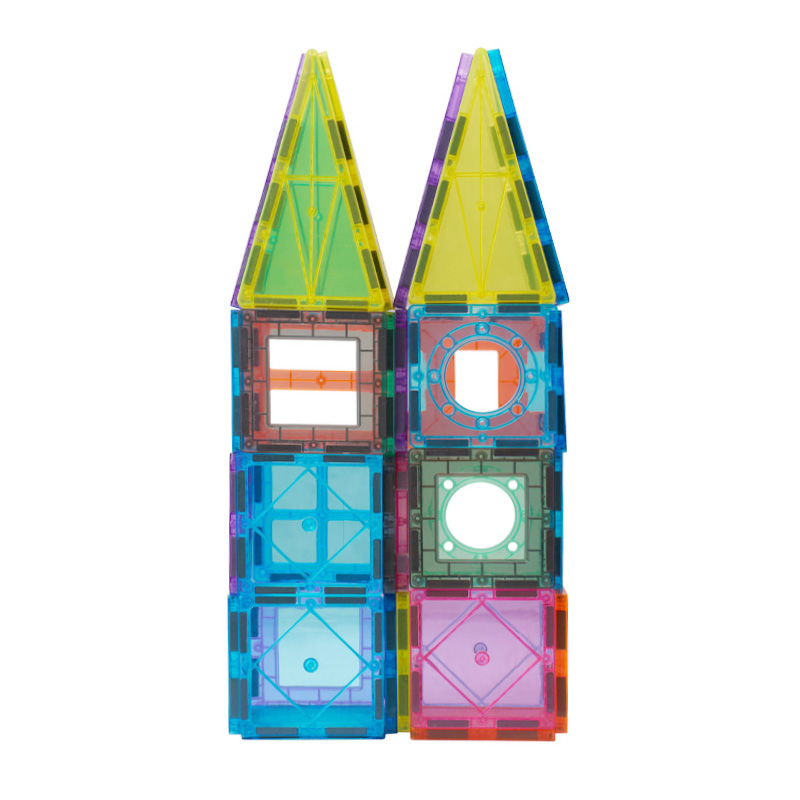
The Semi-transparent Color Window Magnetic Tiles are designed with ABS material, ensuring a smooth, rounded finish that ...
See Details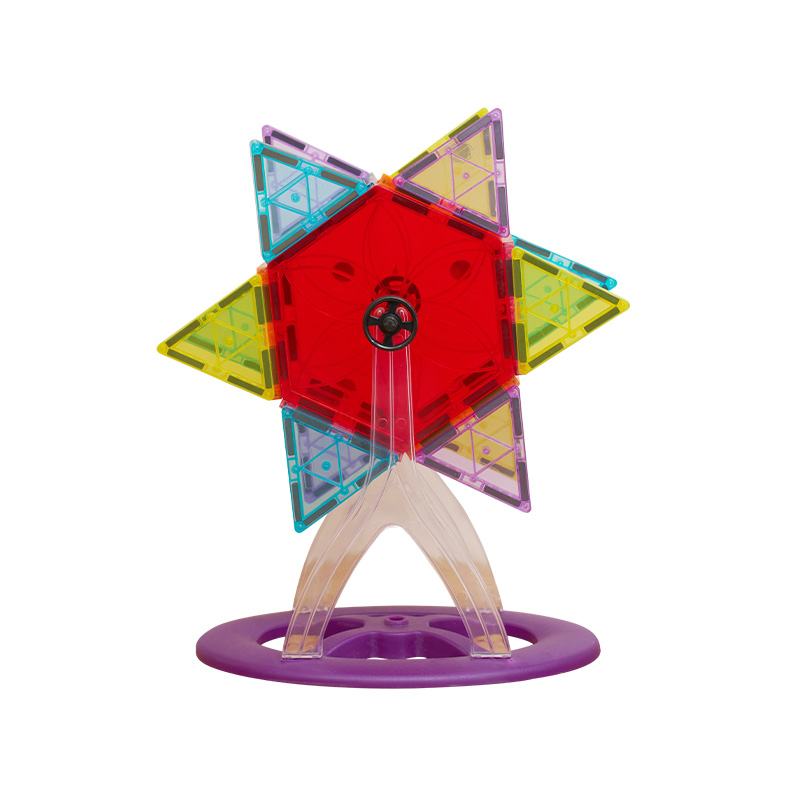
The Transparent Color Ferris Wheel Rotating Magnetic Tiles offer a creative and interactive play experience. Designed to...
See Details
Copyright © Jinhua Xinli Magnetic Industry and Trade Co., Ltd. All Rights Reserved.

Magnet Easy Toy Manufacturer