
 English
 русский
 Español
Color Magnetic Stick And Buck Ball Set, Educational Decompression And Multi-Shape Building Block Toy
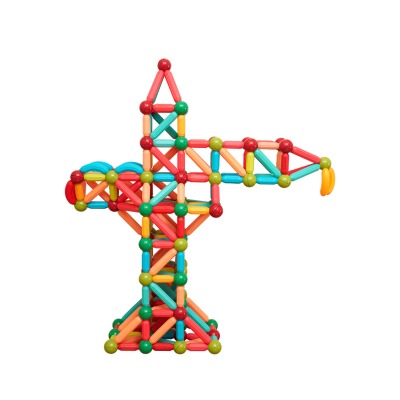
The Color Magnetic Stick and Bucky Ball Set is a versatile and engaging educational toy designed to enhance spatial imag...
See Details
Magnetic building toys continue to evolve toward more complex structural challenges. Among them, Freestanding Arches 4 Piece Magnetic Tiles Set attracts strong interest because it introduces a construction form that looks simple but behaves differently from standard square-and-triangle builds. Arches are not just decorative components. They test balance, magnet alignment, and load distribution in a way flat tiles do not. Many users focus on whether such arch pieces can truly stand without external support or whether stability depends on surrounding structures. A deeper look into user discussions and structural behavior of magnetic systems shows that arch stability is influenced by geometry, magnet placement accuracy, and weight distribution rather than appearance alone.
Arches rely on curved geometry, which spreads force across multiple connection points instead of a single vertical stack. This design creates both advantages and limitations:
Structural balance becomes more sensitive compared with cube or tower builds because curved surfaces do not naturally lock into rigid vertical alignment. Research on arch-like structures in physics shows that stability often depends on how internal angles distribute stress, meaning small geometric variations can significantly influence collapse resistance.
Freestanding arches typically rely on controlled magnetic tension between connected segments. Each of the 4 arch pieces contributes to a partial load-bearing role. Key technical elements often include:
Magnet alignment is critical. Even a slight deviation can weaken joint strength.
Manufacturers often use precision molding to ensure magnets remain aligned within ±1 mm tolerance, which helps maintain structural consistency across repeated builds.
Arch sets generally use ABS plastic to maintain shape under pressure. Material features commonly include:
These properties allow arches to maintain curvature without collapsing inward under their own weight.
Parents and users often question whether freestanding arches can truly hold shape during extended play sessions. Common concerns include:
Community discussions around magnetic construction toys frequently highlight that stability varies significantly between brands due to magnet strength differences and structural thickness inconsistencies. Freestanding arches tend to perform better when integrated into symmetrical designs rather than isolated standalone shapes.
Rather than functioning as isolated decorative elements, arches are often used as transitional structural components. Common applications include:
Integration improves stability because surrounding tiles provide lateral support that reduces stress on curved segments. Physics-based studies of arch stability show that defects or uneven force distribution increase the likelihood of structural failure, especially under vibration or external pressure.
Consumers often evaluate freestanding arch sets not only by design but also by safety construction. Common expectations include:
Strong sets typically use ultrasonic welding or reinforced sealing to keep magnets enclosed securely.
Most reputable products use BPA-free ABS or similar materials designed for long-term handling. This ensures safe play conditions even during extended construction activities.
Freestanding arches change how children approach construction logic. Instead of stacking vertically, users begin experimenting with:
These behaviors introduce intuitive engineering thinking without requiring formal instruction. Arches often encourage trial-and-adjust cycles where small modifications significantly change structural outcomes, reinforcing experimentation as part of the play process.
Freestanding arches may appear simple due to their limited number of pieces, yet they introduce a distinct building challenge that changes how magnetic structures behave. The combination of curvature, magnetic alignment, and load distribution creates a unique play experience that differs from standard flat tile construction. Stability depends less on quantity of pieces and more on how geometry and connection strength interact. Rather than serving as isolated novelty parts, arch pieces expand construction possibilities into more architectural directions, offering new ways to explore balance, structure, and design logic within magnetic tile systems.
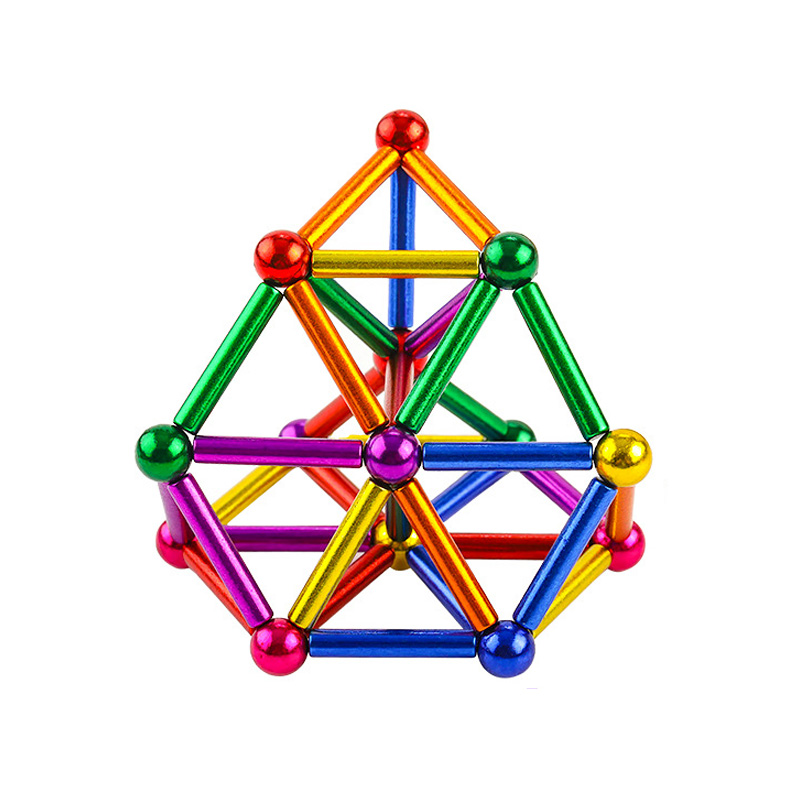
The Color Magnetic Stick and Bucky Ball Set is a versatile and engaging educational toy designed to enhance spatial imag...
See Details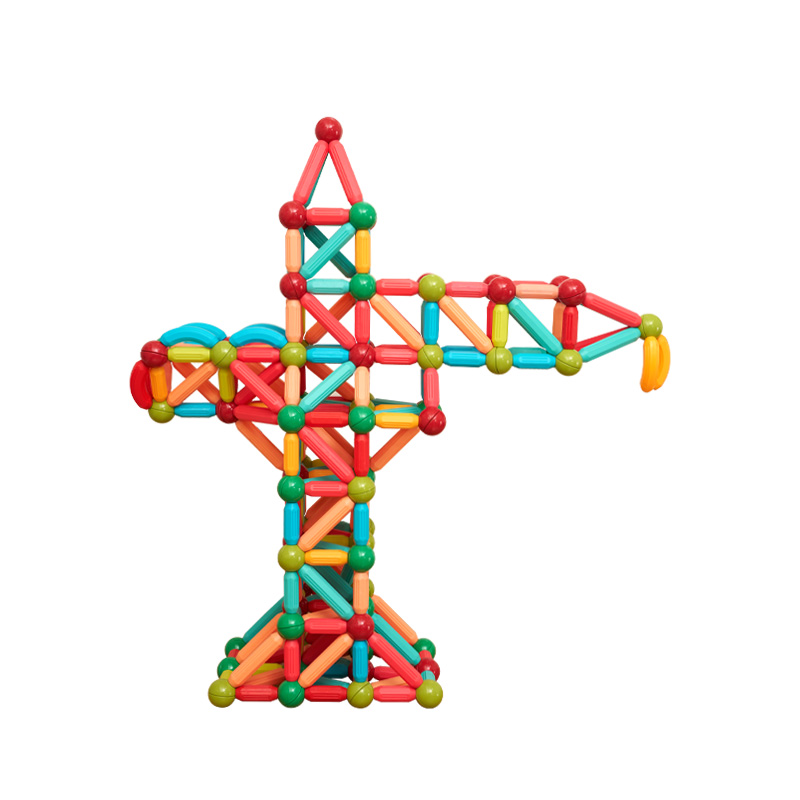
The Colorful Educational Magnetic Stick and Children's Magnetic Building Block Toy is an innovative and engaging toy des...
See Details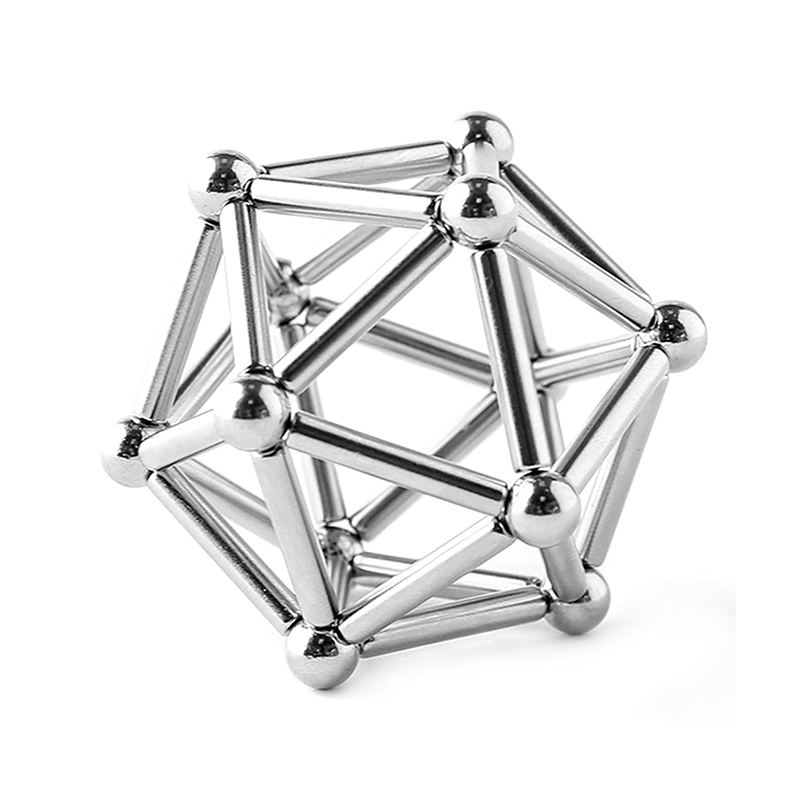
The Boxed Magnetic Stick and Bucky Ball Set is a versatile and engaging toy set designed for creativity and fun. This co...
See Details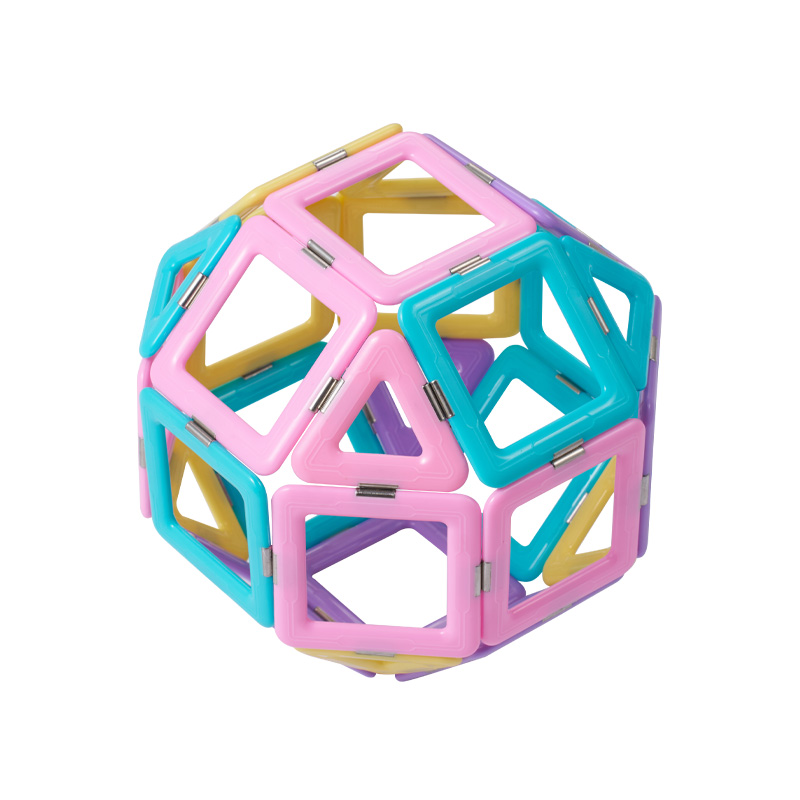
The Candy Color Magnetic Tiles Educational Toy for Children is an engaging and interactive set designed to promote creat...
See Details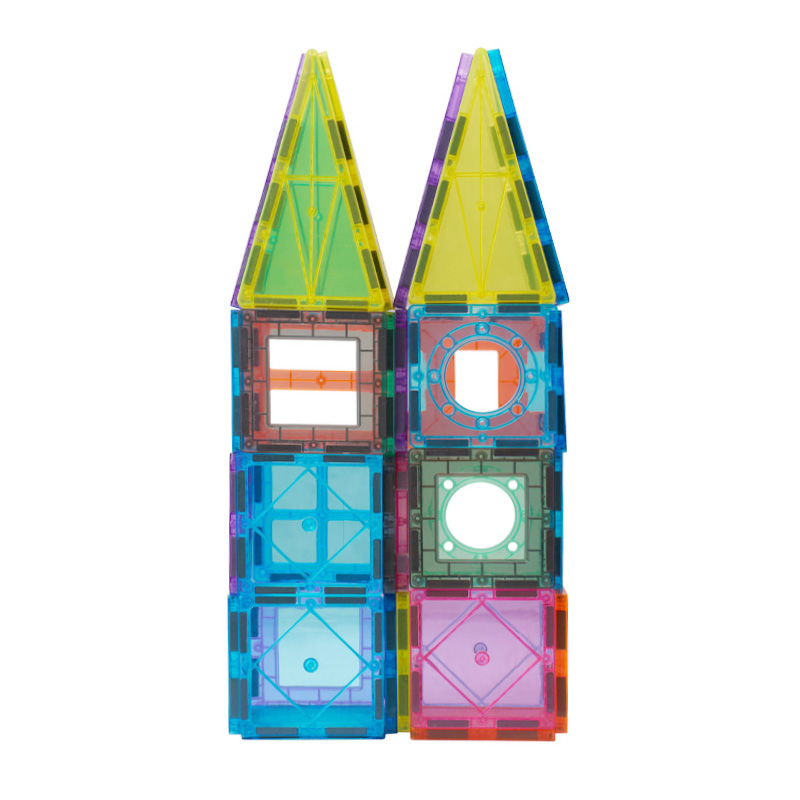
The Semi-transparent Color Window Magnetic Tiles are designed with ABS material, ensuring a smooth, rounded finish that ...
See Details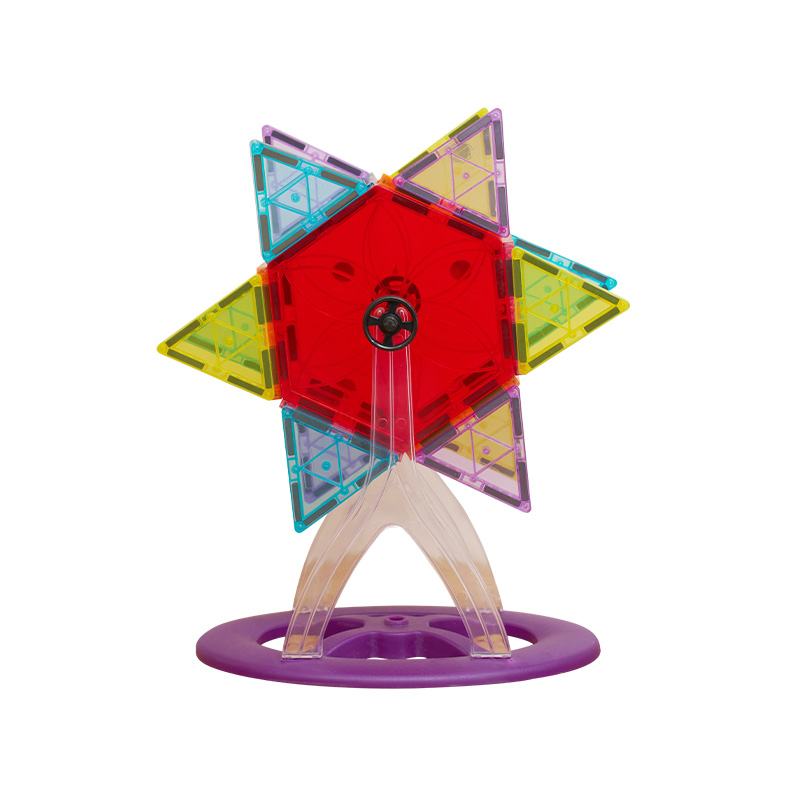
The Transparent Color Ferris Wheel Rotating Magnetic Tiles offer a creative and interactive play experience. Designed to...
See Details
Copyright © Jinhua Xinli Magnetic Industry and Trade Co., Ltd. All Rights Reserved.

Magnet Easy Toy Manufacturer