
 English
 русский
 Español
Color Magnetic Stick And Buck Ball Set, Educational Decompression And Multi-Shape Building Block Toy
The Color Magnetic Stick and Bucky Ball Set is a versatile and engaging educational toy designed to enhance spatial imag...
See Details
Three-dimensional construction used to depend heavily on stacking, balancing, and fitting traditional blocks together. Plastic magnetic building toys introduce another construction method by using magnets integrated into the edges or connection points of each piece. Children can join panels at different angles, build upward, and change the structure without taking the entire model apart.
This design is expanding the role of magnetic toys beyond simple shape matching. Flat panels can become towers, houses, vehicles, tunnels, bridges, and more complicated geometric structures through repeated combinations.
Plastic provides manufacturers with flexibility in creating consistent geometric components. Square and triangular panels can be produced with repeatable dimensions, while additional shapes can introduce curved walls, windows, doors, arches, and other construction elements.
Current product sets demonstrate how broad this component range can become. Some 100-piece sets include eight different shapes, while larger sets can combine squares, several triangle formats, rectangles, windows, doors, and other specialty pieces.

Traditional plastic blocks usually depend on studs, slots, or stacking points. Magnetic connections provide a different interface. Pieces can attach along their edges, making it easier to experiment with vertical surfaces and unusual angles.
Some dedicated 3D magnetic builders are designed to connect on every side and at different angles. This gives children more freedom to move from flat arrangements into enclosed structures without relying on a complicated locking mechanism.
Plastic is not simply an outer shell. Its thickness, transparency, edge treatment, and dimensional consistency can influence how magnetic pieces behave during construction.
Some products also use larger magnetic tiles to support bigger structures. A current 125-piece product, for example, combines square and triangular tiles with pipe connectors, wheels, and specialty components for both 2D and 3D construction.
Set composition can change the scale and complexity of play. A compact set may support simple houses, boxes, and towers. Larger collections allow children to combine several structures into a larger scene.
Current 3D magnetic builder sets range from 32-piece starter configurations to 80-piece master sets, while larger commercial sets can exceed 100 components.
Magnetic construction is no longer limited to geometric panels. Wheels can turn a group of rectangles into a vehicle, while windows and doors can transform a basic box into a building. Animal figures, tracks, pipes, and other add-ons can create an additional layer of imaginative construction.
Some newer products combine magnetic tiles with animal figures, stickers, windows, or specialty connectors. Such combinations give children a reason to connect construction with storytelling and role play.
Magnetic construction products also require careful attention to magnet containment. Plastic housing needs to keep magnets securely enclosed during normal play, while cracked or damaged pieces should be removed from use.
Recent U.S. Consumer Product Safety Commission warnings show why this detail matters. Several magnetic building products were recalled or flagged during 2026 after magnets could become accessible or products contained magnets that violated applicable requirements.
Australian product-safety guidance also advises keeping strong magnetic components away from young children and checking products for safety and damage.
Plastic magnetic building toys are expanding 3D play by making construction more flexible, modular, and visually intuitive. Different shapes can create different structural directions, while specialty components can add vehicles, buildings, characters, and interactive scenes.
The combination of durable plastic components, enclosed magnetic connections, varied geometries, and expandable sets gives children more ways to transform a flat collection of pieces into a three-dimensional world. Rather than limiting play to a single finished model, the same components can support many construction paths.
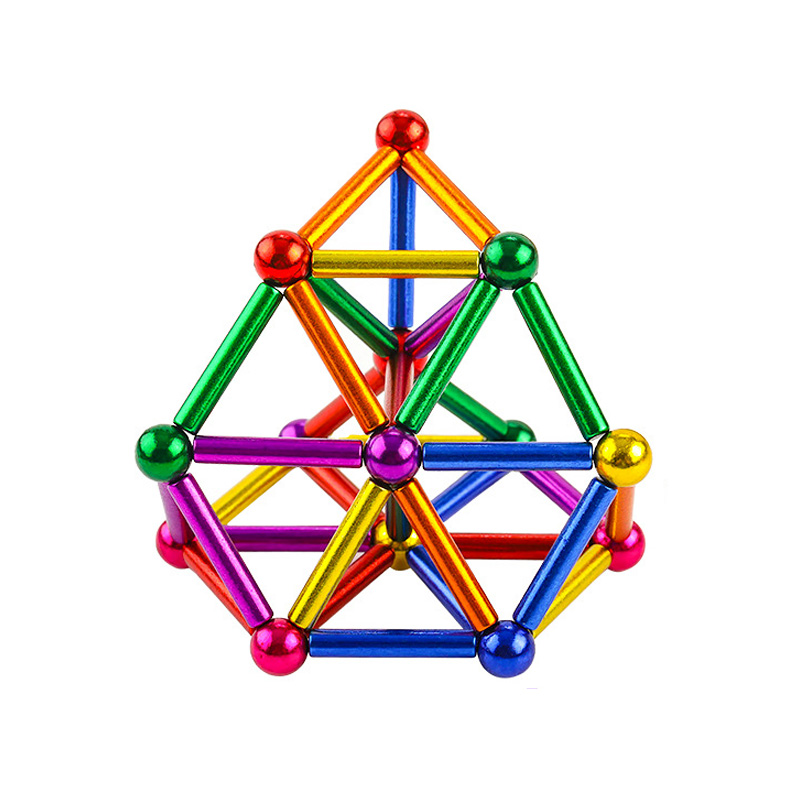
The Color Magnetic Stick and Bucky Ball Set is a versatile and engaging educational toy designed to enhance spatial imag...
See Details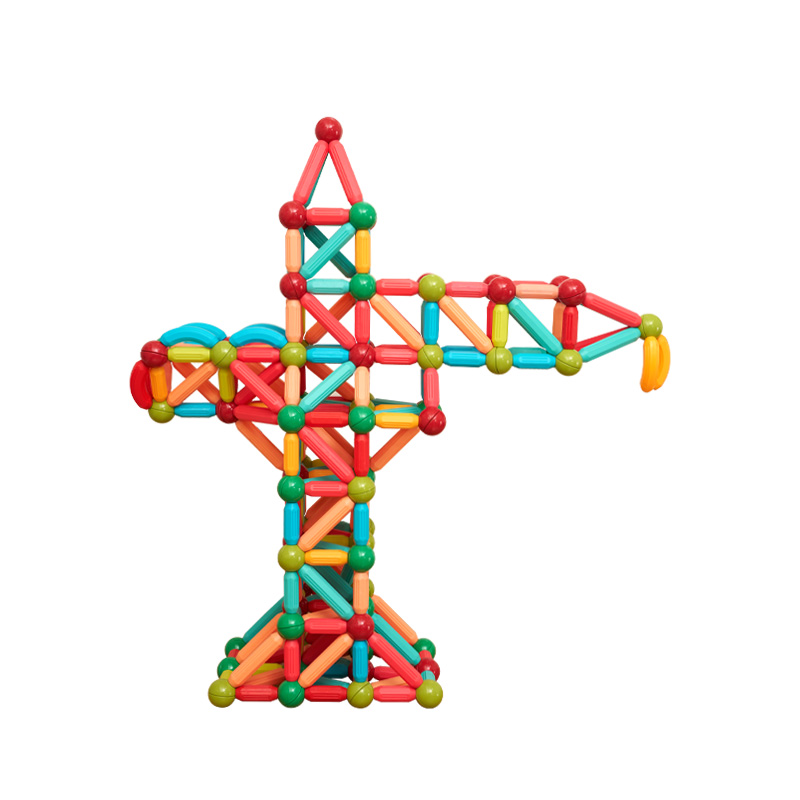
The Colorful Educational Magnetic Stick and Children's Magnetic Building Block Toy is an innovative and engaging toy des...
See Details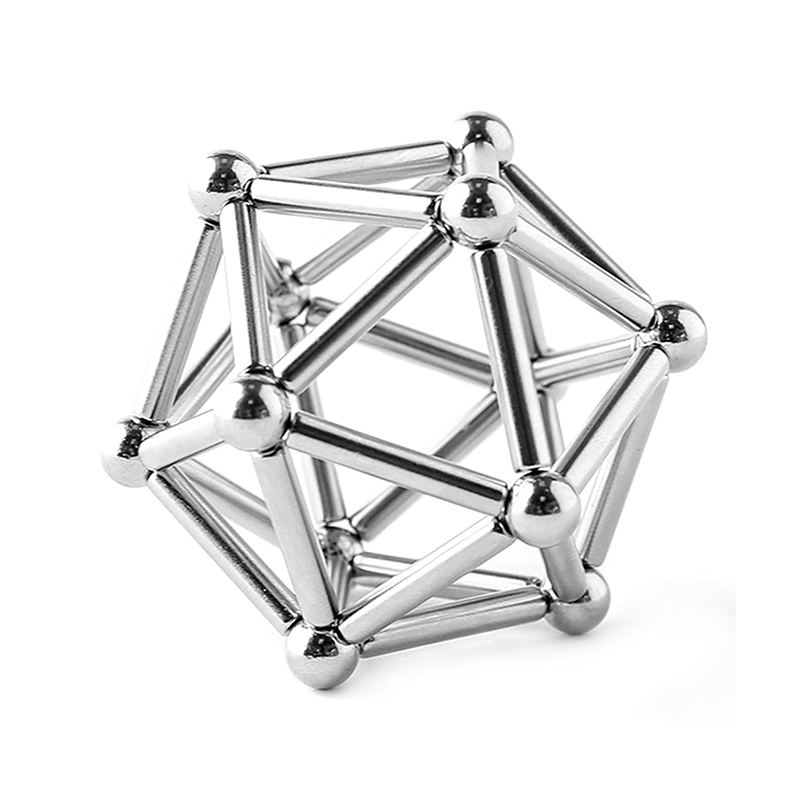
The Boxed Magnetic Stick and Bucky Ball Set is a versatile and engaging toy set designed for creativity and fun. This co...
See Details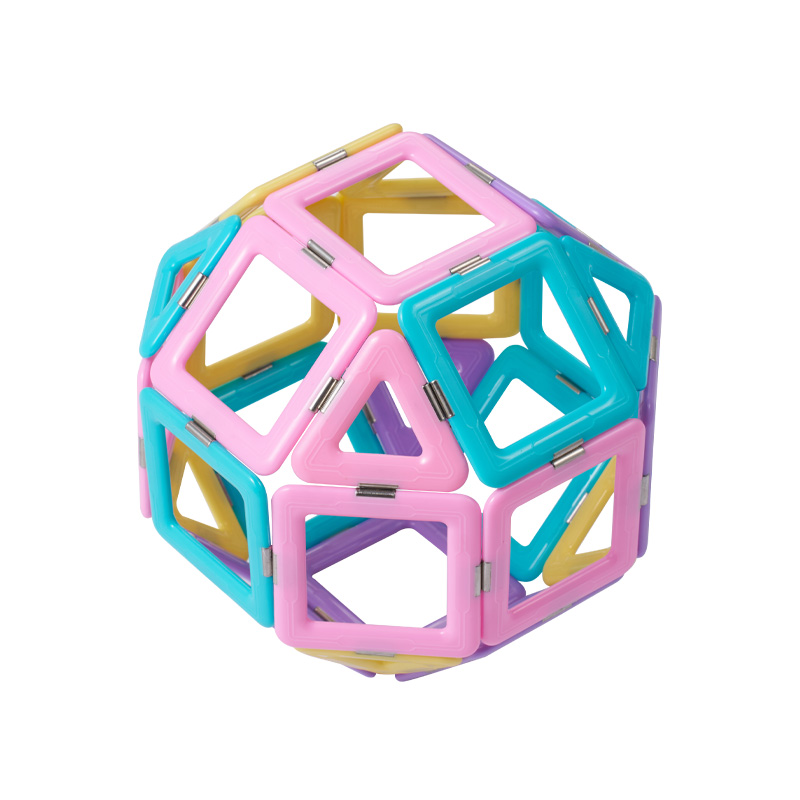
The Candy Color Magnetic Tiles Educational Toy for Children is an engaging and interactive set designed to promote creat...
See Details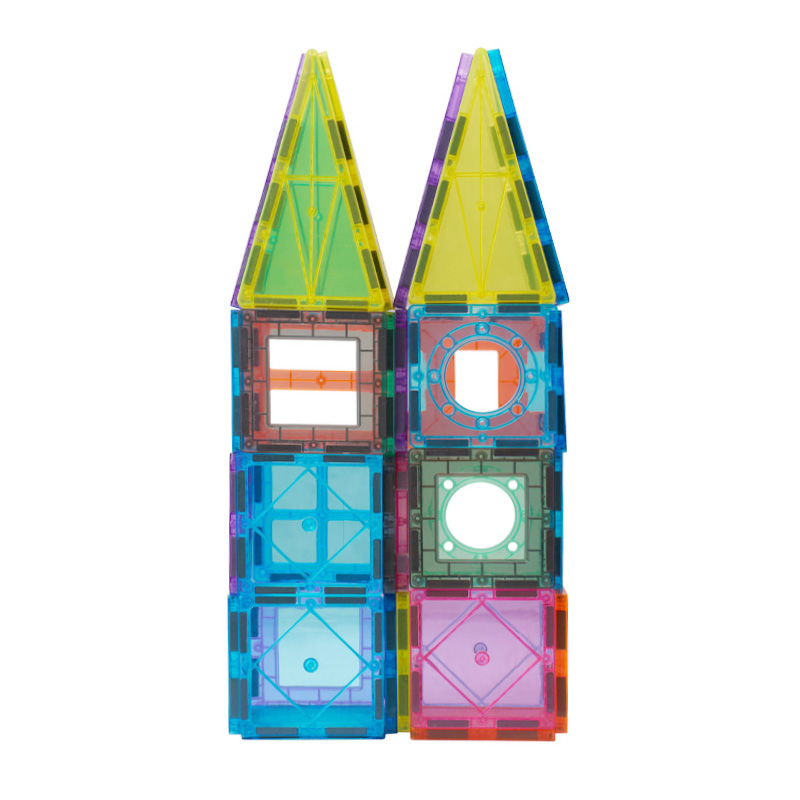
The Semi-transparent Color Window Magnetic Tiles are designed with ABS material, ensuring a smooth, rounded finish that ...
See Details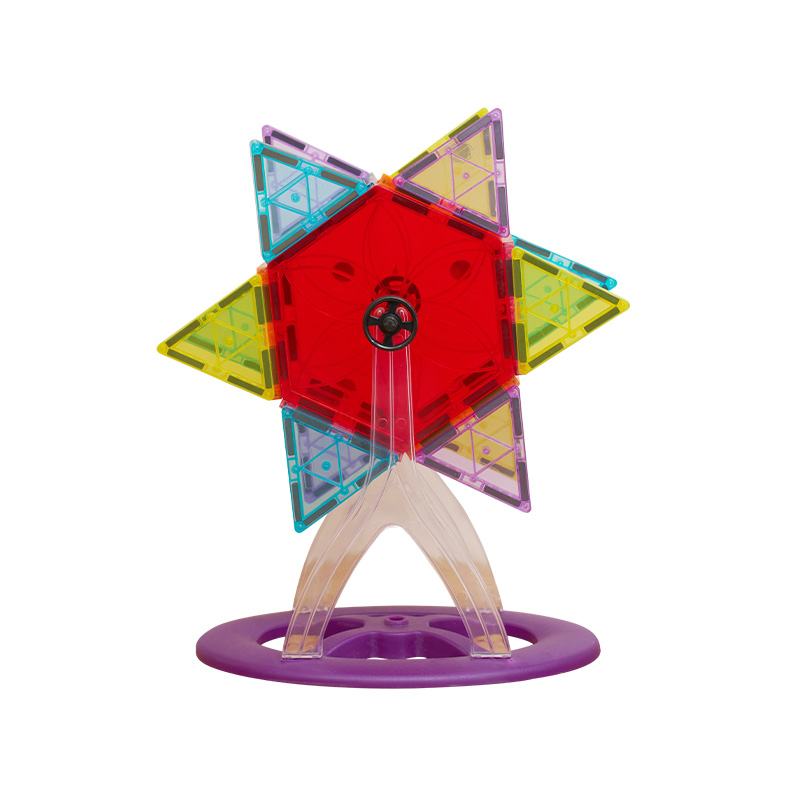
The Transparent Color Ferris Wheel Rotating Magnetic Tiles offer a creative and interactive play experience. Designed to...
See Details
Copyright © Jinhua Xinli Magnetic Industry and Trade Co., Ltd. All Rights Reserved.

Magnet Easy Toy Manufacturer