
 English
 русский
 Español
Color Magnetic Stick And Buck Ball Set, Educational Decompression And Multi-Shape Building Block Toy
The Color Magnetic Stick and Bucky Ball Set is a versatile and engaging educational toy designed to enhance spatial imag...
See Details
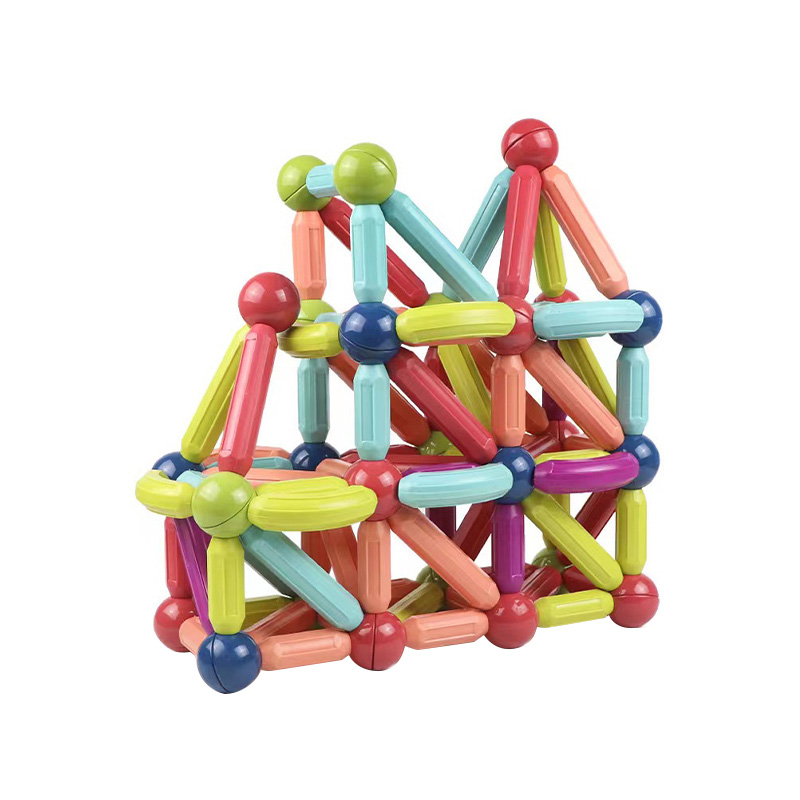
Magnetism has fascinated children for generations. The simple pull of a magnetic object can feel like magic, turning ordinary play into a mini science experiment. Magnetic Sticks are toys that capture this curiosity. They are not just objects to touch—they invite kids to experiment, build, and imagine.
Magnetic Sticks let children explore magnetic attraction and repulsion in a direct, tactile way. Moving a stick over metal shapes or balls immediately shows which objects respond to the magnet. This hands-on interaction teaches basic physics concepts without complicated explanations.
For example, kids can experiment with different metals, stack magnetic shapes, or try to “walk” metal objects along the stick. These small discoveries often lead to questions about why some items move and others don't, turning playtime into an informal learning session.
Beyond science, Magnetic Sticks are excellent for developing creativity. Children can combine multiple sticks and magnetic pieces to build small structures, models, or even simple sculptures. The flexibility of connecting pieces in various ways encourages problem-solving and spatial reasoning.
This type of open-ended play is valuable because there are no strict rules. One day a stick becomes a “magic wand” moving tiny metal balls; the next day it's part of a futuristic tower or robot. Kids learn to experiment, fail, and adapt—all while having fun.
Unlike small loose magnets that can be swallowed, Magnetic Sticks are usually designed with longer handles and encased magnets, making them safer for supervised play. They are lightweight, easy to hold, and portable, so kids can use them on the floor, at a table, or even outside in a sandbox.
Parents also appreciate the low cleanup. Small magnetic balls or shapes stick to the stick naturally, reducing the chance of items scattering across the room. This makes Magnetic Sticks a convenient option for families looking for toys that combine engagement with minimal mess.
Magnetic Sticks work well in classrooms and at home. Teachers can incorporate them into science experiments, letting children test which materials are magnetic or explore magnetic fields with colorful pieces. At home, they provide a fun way to reinforce learning from school while also supporting imaginative play.
They also encourage cooperative play. Multiple children can collaborate to build structures, move magnetic items along tracks, or create playful games. This helps with social skills, communication, and teamwork—benefits that go beyond individual entertainment.
The versatility of Magnetic Sticks is part of their appeal. They are simple but spark endless creative scenarios. Kids can invent games, race metal marbles along a path, or construct patterns and designs. The combination of visual feedback, movement, and magnetic force keeps them engaged longer than many passive toys.
Even older children often return to Magnetic Sticks for STEM-inspired projects or DIY crafts. Their simplicity makes them timeless, adaptable, and suitable for a wide range of ages.
Though just a stick with a magnet, these toys can inspire curiosity, experimentation, and creative thinking. By combining science, art, and play, Magnetic Sticks demonstrate that learning and fun do not have to be separate. Children discover cause and effect, test hypotheses, and enjoy imaginative challenges—all in one playful experience.
Magnetic Sticks remind us that sometimes the simplest tools can have the biggest impact on a child's development and enjoyment.
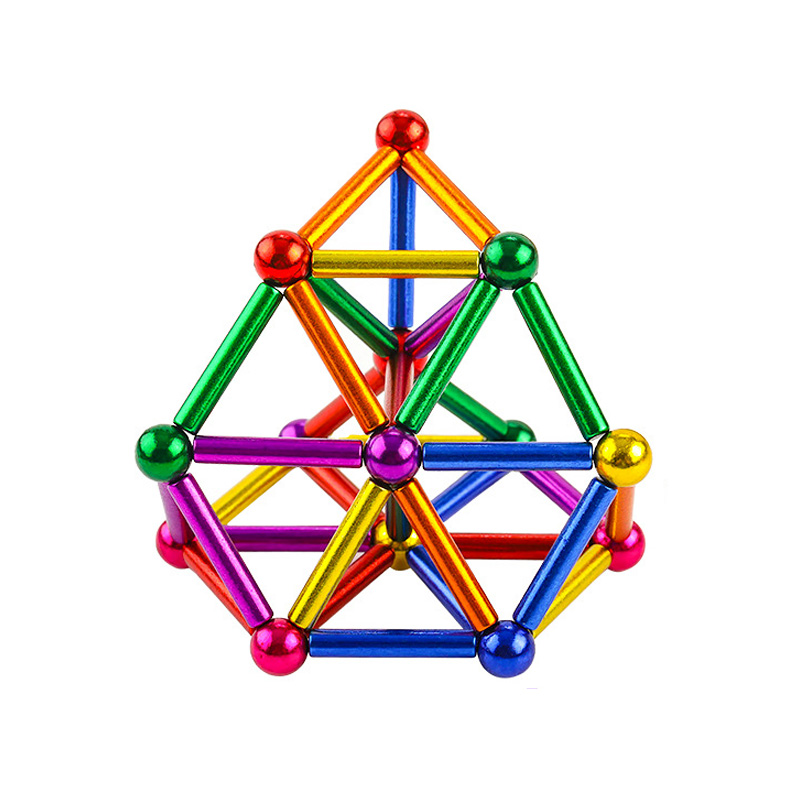
The Color Magnetic Stick and Bucky Ball Set is a versatile and engaging educational toy designed to enhance spatial imag...
See Details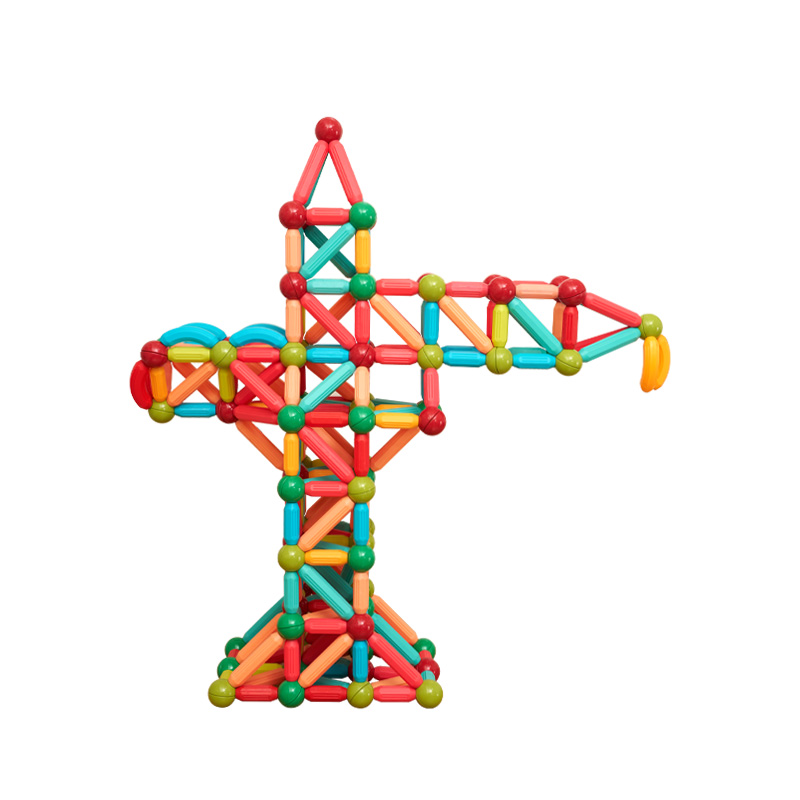
The Colorful Educational Magnetic Stick and Children's Magnetic Building Block Toy is an innovative and engaging toy des...
See Details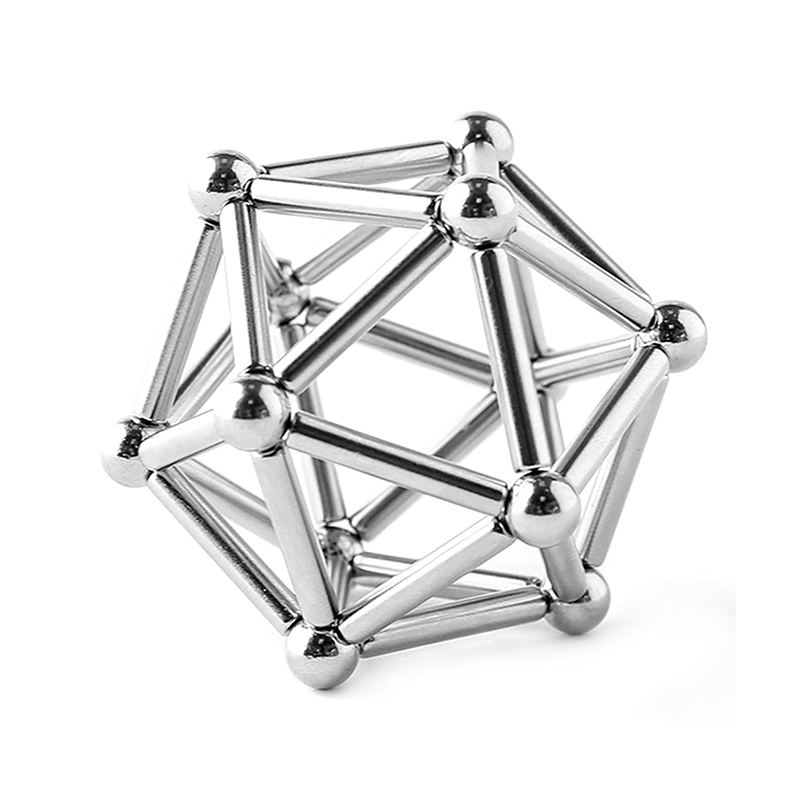
The Boxed Magnetic Stick and Bucky Ball Set is a versatile and engaging toy set designed for creativity and fun. This co...
See Details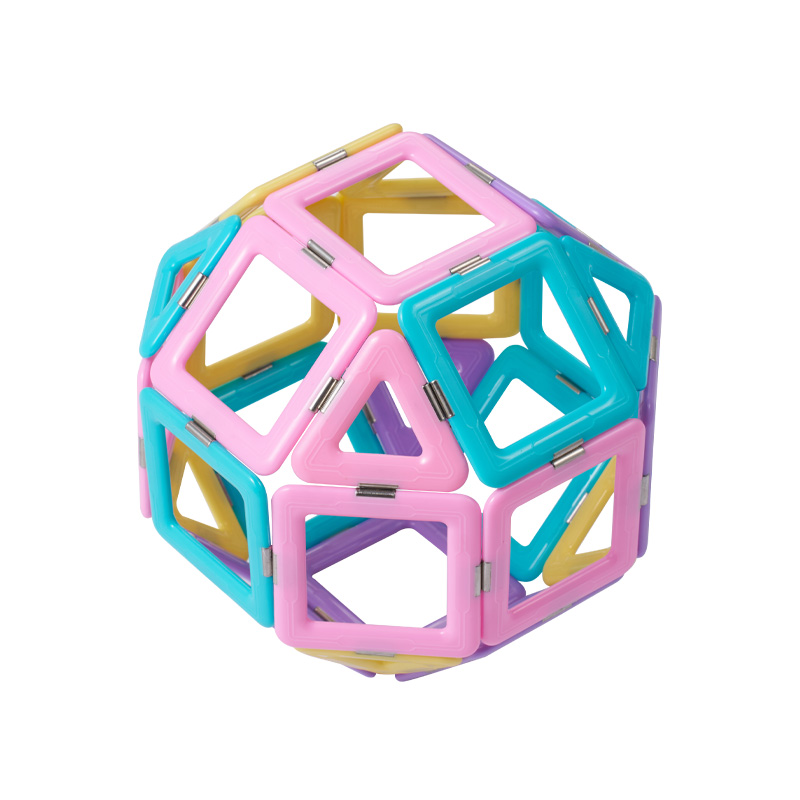
The Candy Color Magnetic Tiles Educational Toy for Children is an engaging and interactive set designed to promote creat...
See Details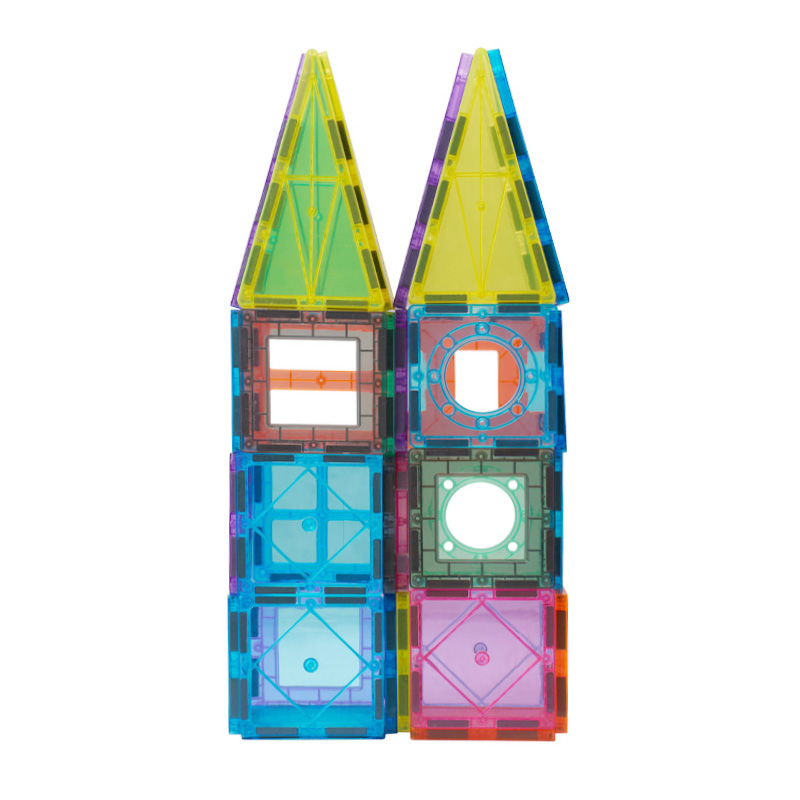
The Semi-transparent Color Window Magnetic Tiles are designed with ABS material, ensuring a smooth, rounded finish that ...
See Details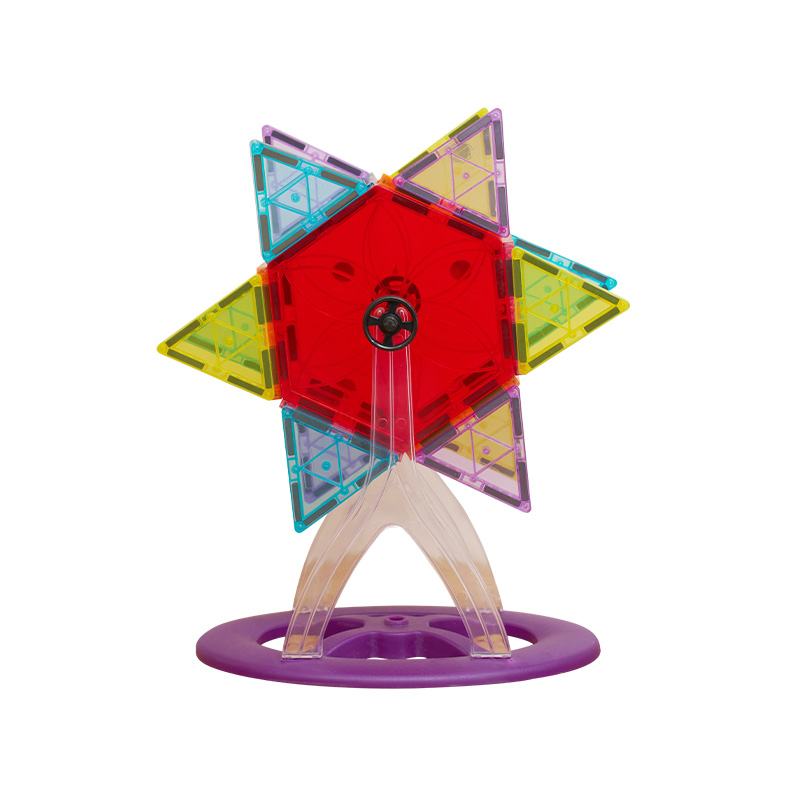
The Transparent Color Ferris Wheel Rotating Magnetic Tiles offer a creative and interactive play experience. Designed to...
See Details
Copyright © Jinhua Xinli Magnetic Industry and Trade Co., Ltd. All Rights Reserved.

Magnet Easy Toy Manufacturer