
 English
 русский
 Español
Color Magnetic Stick And Buck Ball Set, Educational Decompression And Multi-Shape Building Block Toy
The Color Magnetic Stick and Bucky Ball Set is a versatile and engaging educational toy designed to enhance spatial imag...
See Details
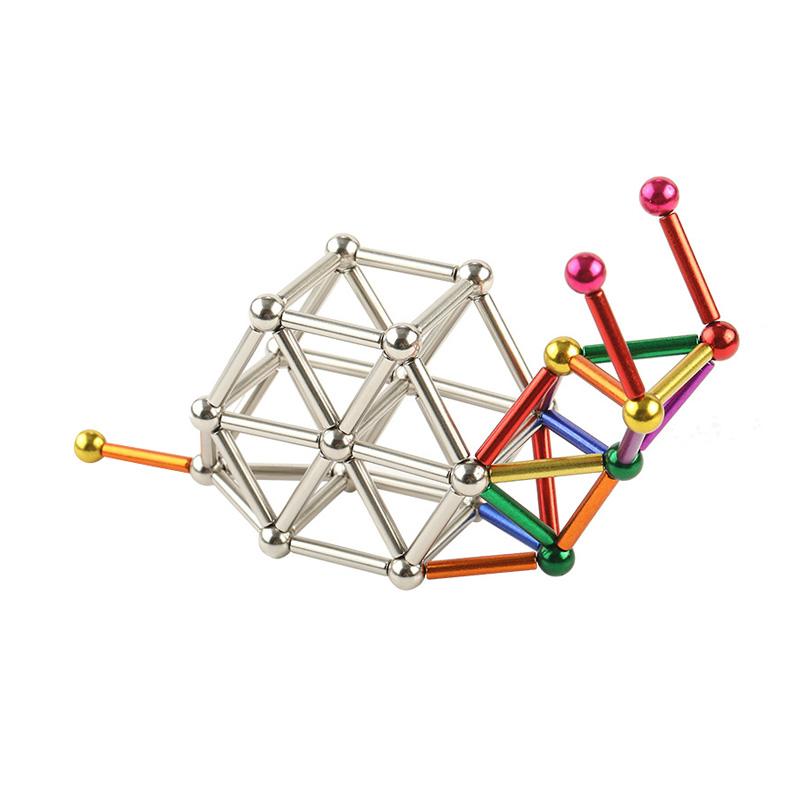
Magnetic sticks, often used as children's building toys, combine creativity and simple science. A Magnetic Sticks Factory focuses on producing these toys with attention to safety, durability, and ease of assembly. These small rods, usually with embedded magnets at both ends, allow kids to connect pieces into different shapes and structures, making them popular educational tools worldwide.
In a Magnetic Sticks Factory, production begins with the selection of materials. Plastic or ABS casings are commonly used to enclose the magnets, providing both safety and durability. Inside each stick, small rare-earth or ferrite magnets are carefully positioned. Magnet placement is crucial; if they shift or are improperly oriented, the sticks may not connect correctly or could pose safety risks.
After material selection, the factory moves to molding and assembly. Casings are formed using injection molding, and magnets are inserted with precision machines. Automated systems often help reduce errors, ensuring each stick meets dimensional standards. This stage also includes checking that magnet strength is consistent, so that sticks connect reliably but are not too strong for small hands to separate safely.
Children's toys require strict safety standards. A Magnetic Sticks Factory implements quality control to prevent loose magnets, sharp edges, or toxic materials. Coatings and plastic finishes are tested for durability, and random samples undergo pull-strength testing to confirm magnet retention. Packaging is also considered; toys are separated by size or type to prevent choking hazards.
Design flexibility is a key feature of magnetic construction toys. Factories can produce sticks of different lengths, colors, and connection styles. A Magnetic Sticks Factory may also collaborate with designers to create themed sets or educational kits. This allows children to explore geometry, balance, and creative thinking while playing.
Running a factory for magnetic sticks requires careful coordination. Material supply, molding schedules, and assembly lines must be aligned to avoid delays. Regular maintenance of molding machines and magnet insertion equipment helps maintain consistent quality. Skilled operators oversee processes while automated systems handle repetitive tasks, allowing the factory to produce large quantities without compromising safety.
Magnetic sticks are not just toys—they are tools for learning and exploration. A factory producing these items often adjusts output according to seasonal demand, such as holidays or school supply cycles. A Magnetic Sticks Factory that can reliably meet order volumes while maintaining consistent quality supports both domestic and international markets.
A Magnetic Sticks Factory brings together engineering, material science, and child safety considerations. From careful material selection to precise magnet assembly, every step contributes to a product that is fun, educational, and safe. These toys encourage creativity and problem-solving, making them a meaningful addition to children's playrooms. By focusing on consistent quality and thoughtful design, a factory producing magnetic sticks ensures that each set delivered to customers provides hours of imaginative play.
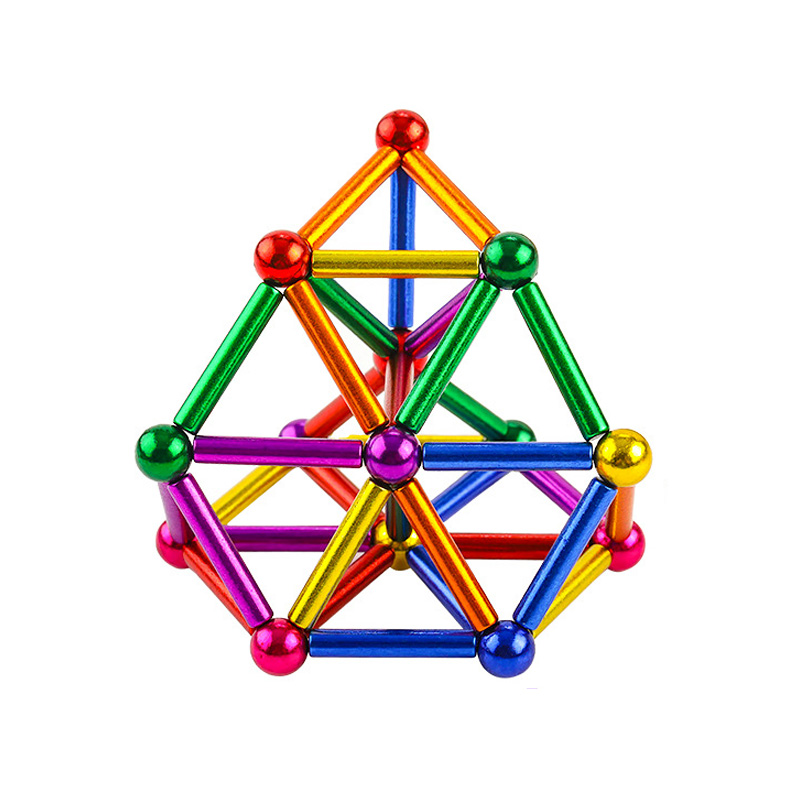
The Color Magnetic Stick and Bucky Ball Set is a versatile and engaging educational toy designed to enhance spatial imag...
See Details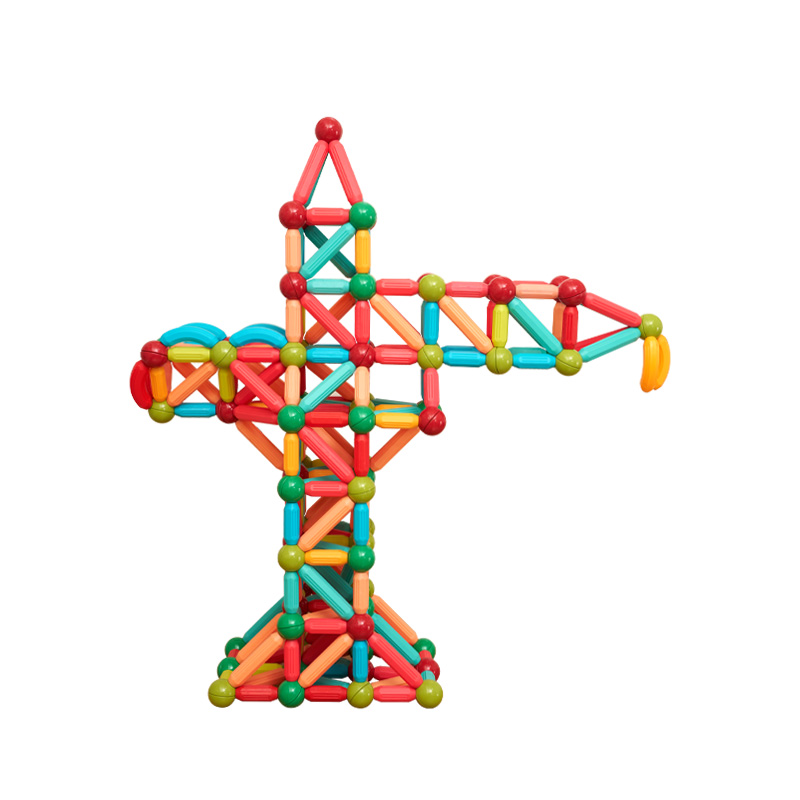
The Colorful Educational Magnetic Stick and Children's Magnetic Building Block Toy is an innovative and engaging toy des...
See Details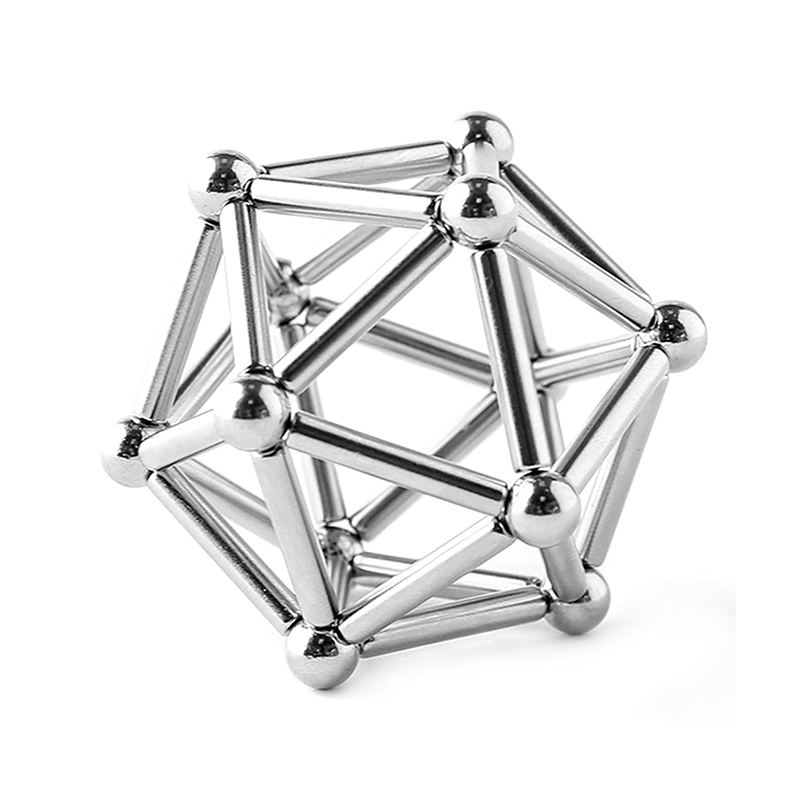
The Boxed Magnetic Stick and Bucky Ball Set is a versatile and engaging toy set designed for creativity and fun. This co...
See Details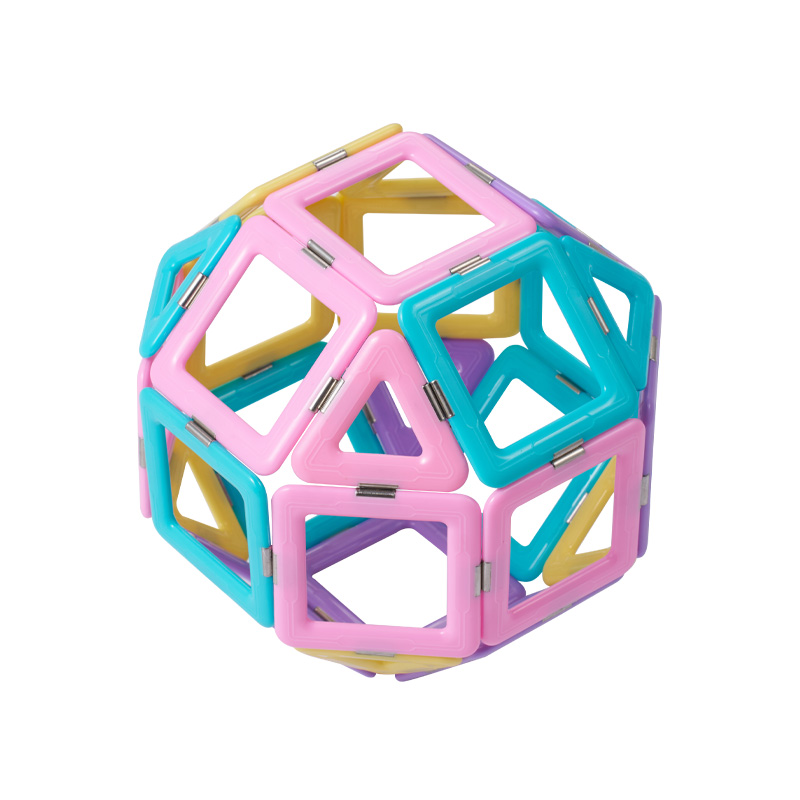
The Candy Color Magnetic Tiles Educational Toy for Children is an engaging and interactive set designed to promote creat...
See Details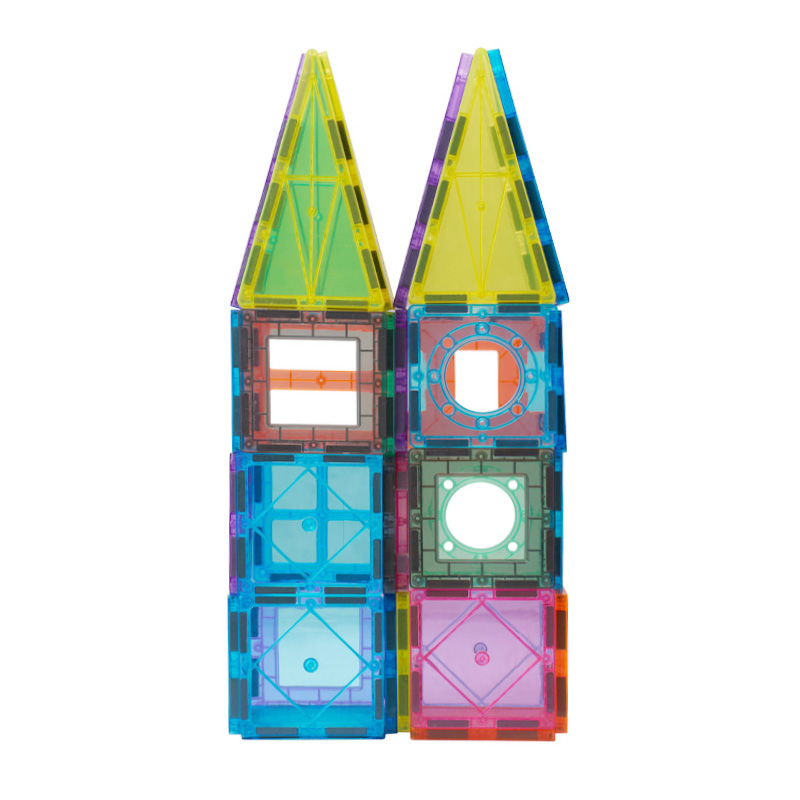
The Semi-transparent Color Window Magnetic Tiles are designed with ABS material, ensuring a smooth, rounded finish that ...
See Details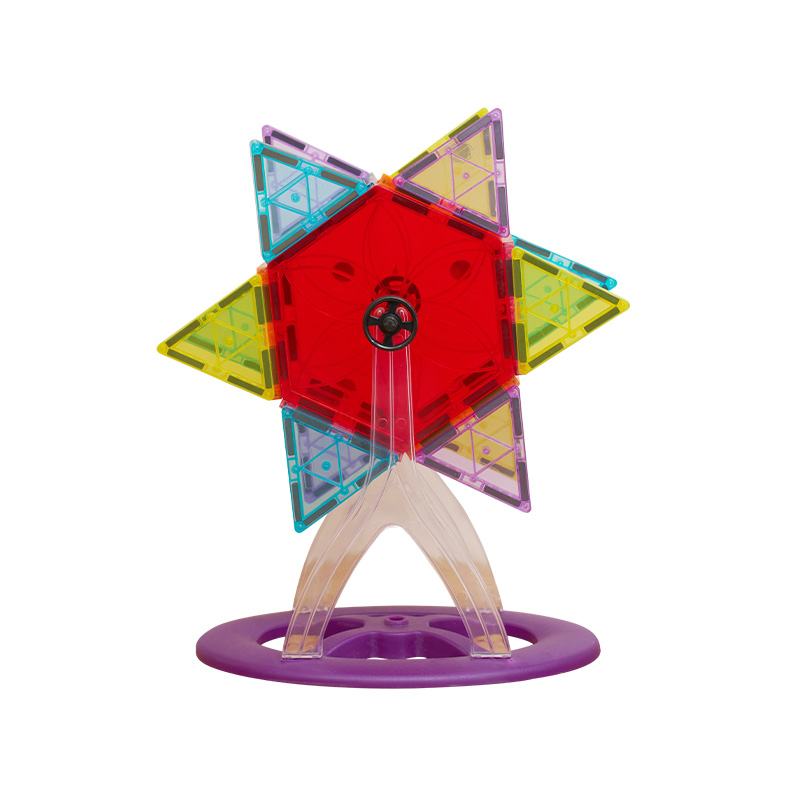
The Transparent Color Ferris Wheel Rotating Magnetic Tiles offer a creative and interactive play experience. Designed to...
See Details
Copyright © Jinhua Xinli Magnetic Industry and Trade Co., Ltd. All Rights Reserved.

Magnet Easy Toy Manufacturer