
 English
 русский
 Español
Color Magnetic Stick And Buck Ball Set, Educational Decompression And Multi-Shape Building Block Toy
The Color Magnetic Stick and Bucky Ball Set is a versatile and engaging educational toy designed to enhance spatial imag...
See Details
Oversized magnetic construction toys often sit in the middle of a debate: size versus precision play. Caregivers notice two very different experiences between large-format blocks and small magnetic sets, especially during early childhood play stages.
Safety concerns around magnetic toys are well documented. Strong internal magnets, especially small ones, can be dangerous if swallowed, as multiple magnets may attract one another in the digestive system and cause internal injury or blockage.
This raises a natural comparison: does increasing the size of magnetic building blocks actually reduce risk for toddlers?
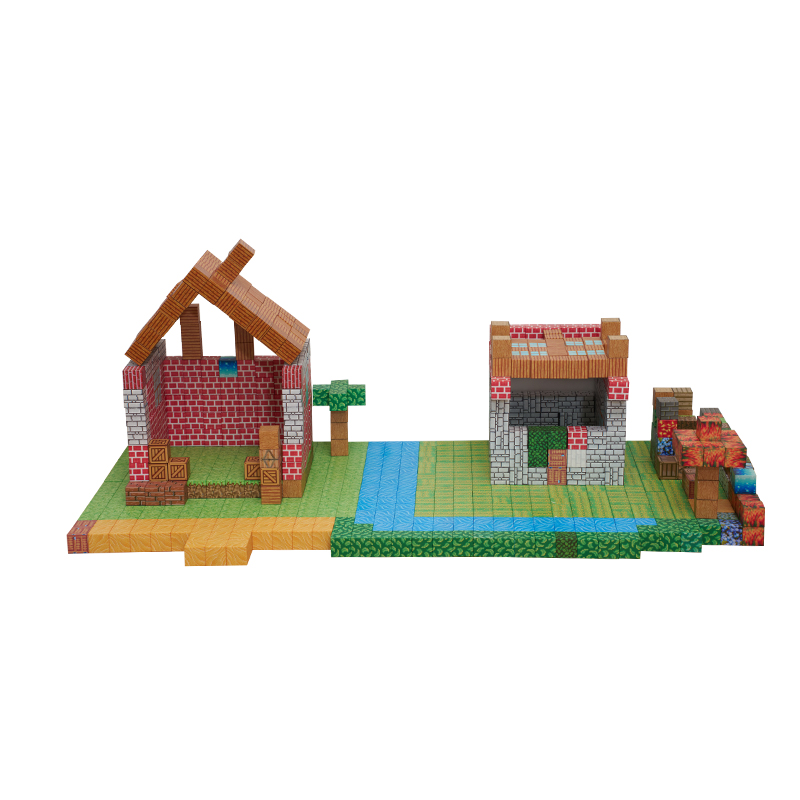
Oversized construction formats change the risk profile mainly through physical dimensions and accessibility.
Kids 3D Magnetic Building Blocks in oversized formats usually emphasize reinforced casing design, where magnets are fully sealed within ABS or similar plastics. Typical wall thickness ranges from 1.5 mm to 2.5 mm, reducing break-out risk during normal handling.
Tiny magnetic sets—especially bead-like or cube clusters—create a different safety concern pattern.
This contrast is why safety guidance often restricts small powerful magnets away from young children, particularly those under early school age.
Modern Sensory Magnetic Building Cubes and large-format systems use engineering approaches aimed at structural containment rather than just magnet strength reduction.
These design factors reduce the likelihood of direct magnet access compared with loose magnetic bead systems.
Beyond safety, usability also plays a role in how different magnetic toy categories are evaluated.
Within Kids 3D Magnetic Building Blocks, size scaling often aligns with developmental stage targeting—larger formats for toddlers, smaller tiles for older preschool users.
Larger does not automatically equal risk-free. Structural stress testing reveals a few common failure scenarios across magnetic toys.
These issues highlight why periodic inspection remains relevant regardless of toy size category.
The distinction between oversized magnetic blocks and tiny magnetic sets is less about eliminating risk and more about shifting risk type.
Colorful Kids Building Magnetic Blocks and Sensory Magnetic Building Cubes continue evolving toward safer encapsulation methods, especially as consumer awareness around internal magnet hazards increases.
Product design direction increasingly prioritizes containment integrity over raw magnetic strength, especially in early childhood toy categories.
Within this context, oversized 3D magnetic building systems tend to reduce exposure risk pathways, though supervision and structural inspection remain essential parts of safe play environments.
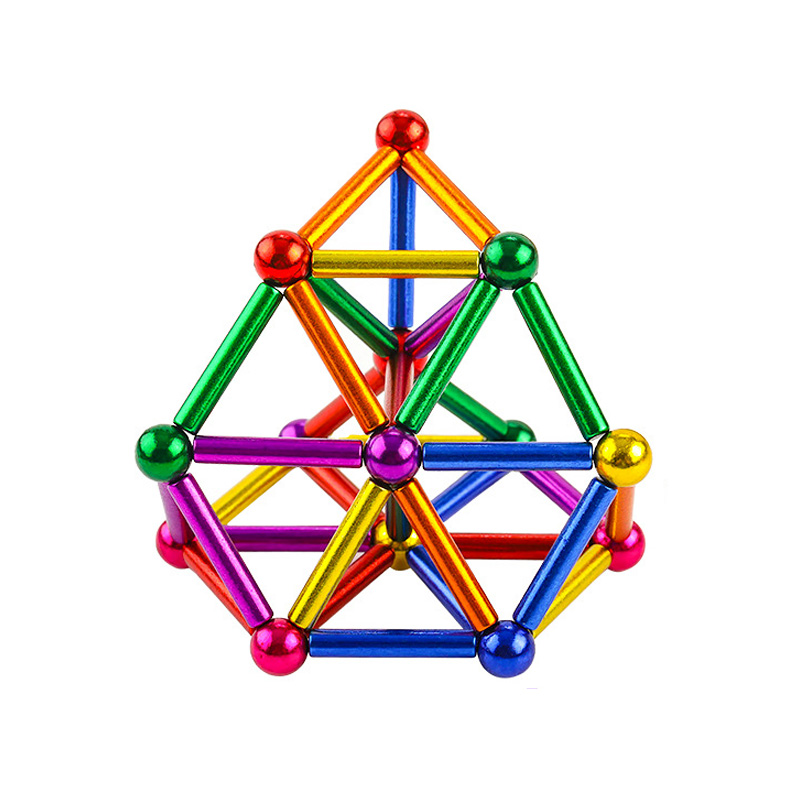
The Color Magnetic Stick and Bucky Ball Set is a versatile and engaging educational toy designed to enhance spatial imag...
See Details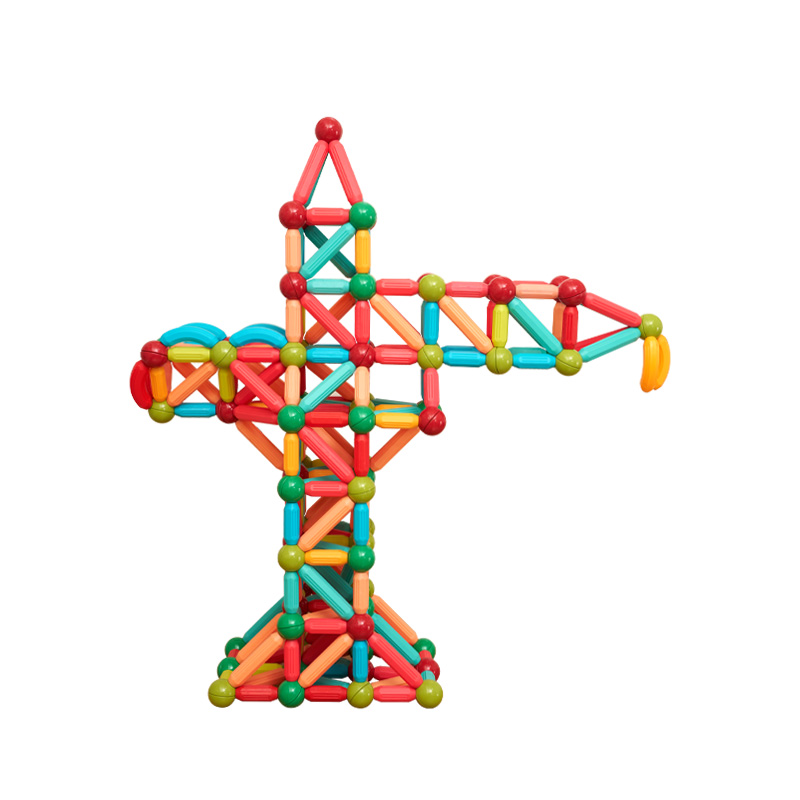
The Colorful Educational Magnetic Stick and Children's Magnetic Building Block Toy is an innovative and engaging toy des...
See Details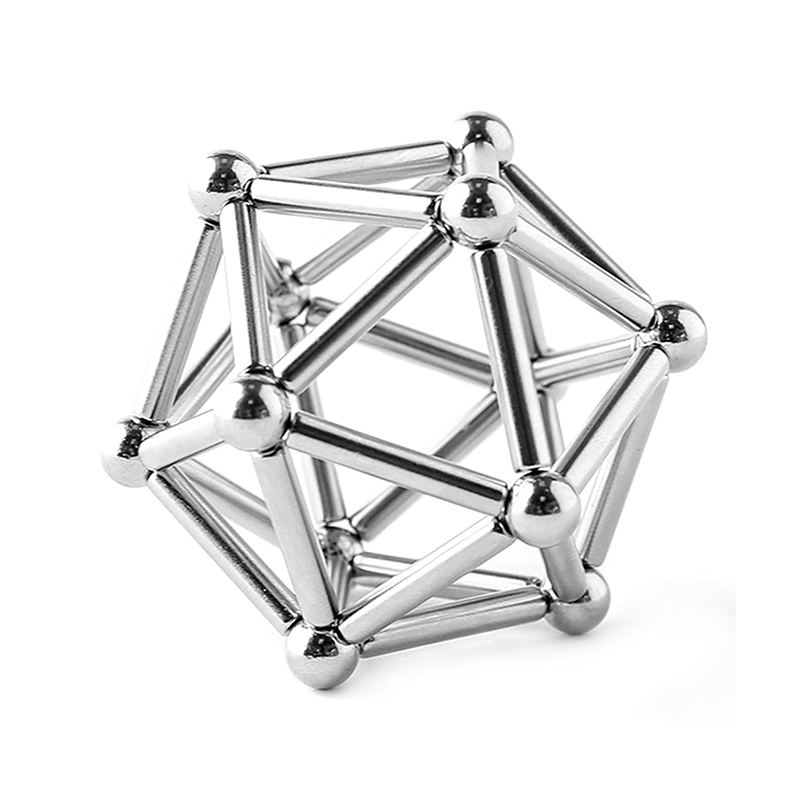
The Boxed Magnetic Stick and Bucky Ball Set is a versatile and engaging toy set designed for creativity and fun. This co...
See Details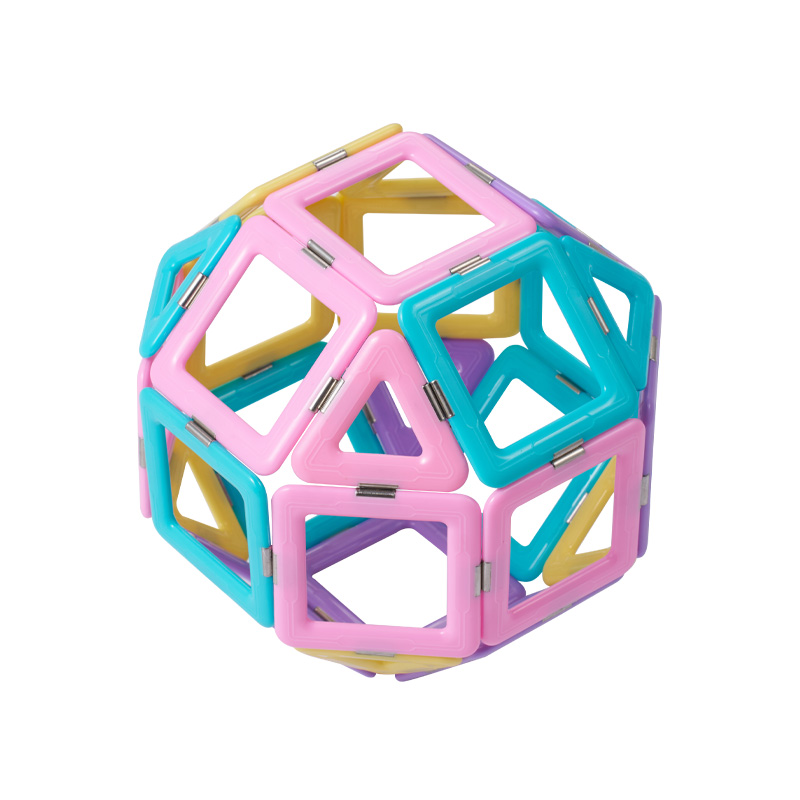
The Candy Color Magnetic Tiles Educational Toy for Children is an engaging and interactive set designed to promote creat...
See Details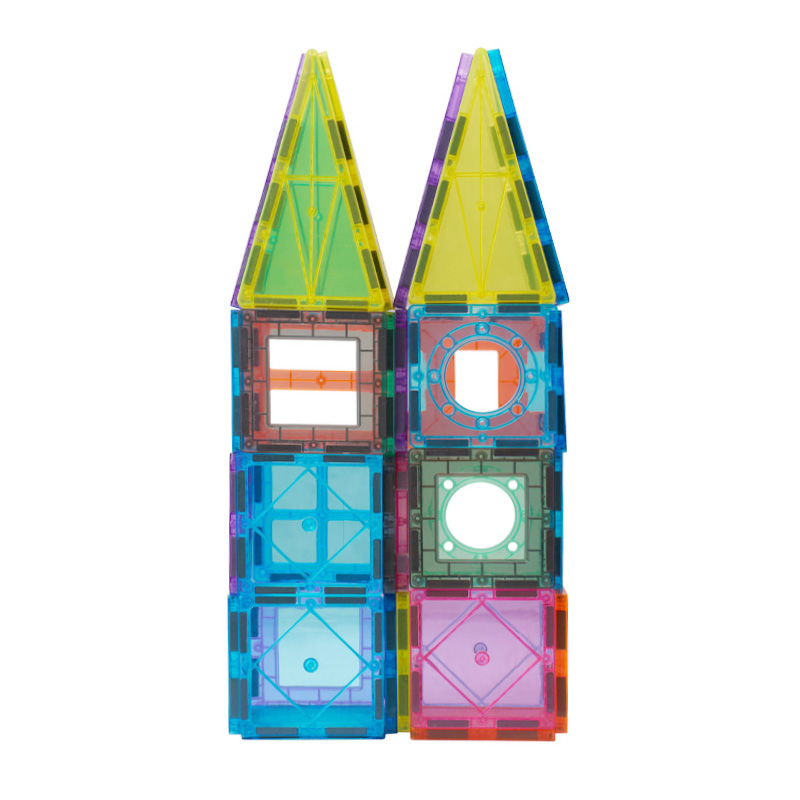
The Semi-transparent Color Window Magnetic Tiles are designed with ABS material, ensuring a smooth, rounded finish that ...
See Details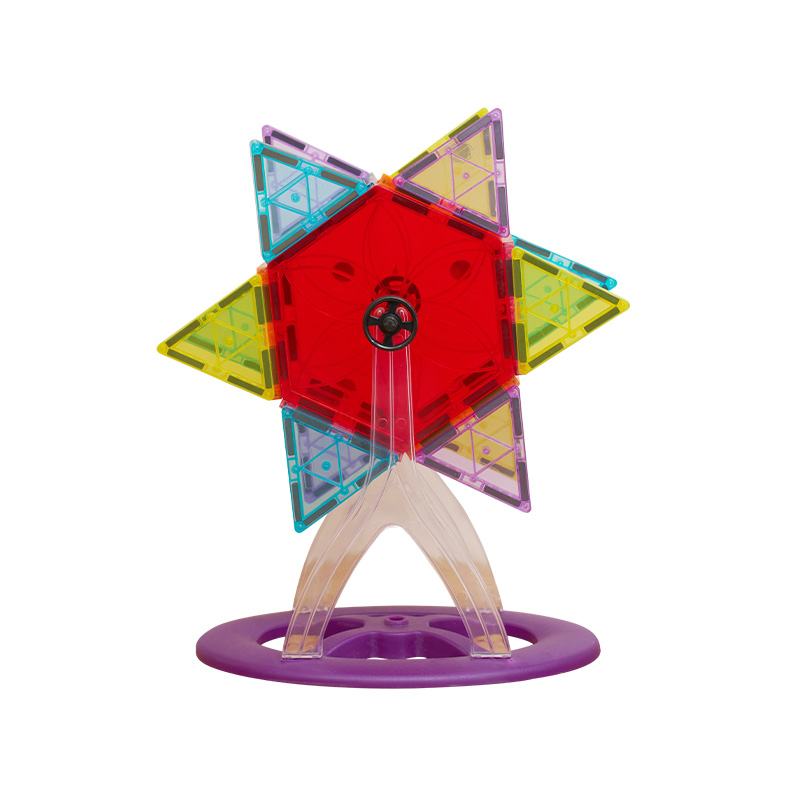
The Transparent Color Ferris Wheel Rotating Magnetic Tiles offer a creative and interactive play experience. Designed to...
See Details
Copyright © Jinhua Xinli Magnetic Industry and Trade Co., Ltd. All Rights Reserved.

Magnet Easy Toy Manufacturer