
 English
 русский
 Español
Color Magnetic Stick And Buck Ball Set, Educational Decompression And Multi-Shape Building Block Toy
The Color Magnetic Stick and Bucky Ball Set is a versatile and engaging educational toy designed to enhance spatial imag...
See Details
Bright colors, attractive shapes, and flexible building possibilities make magnetic toys appealing to children. A Rainbow Magnetic Balls Toy can inspire creativity by allowing kids to create patterns, geometric models, and imaginative structures. The colorful appearance often attracts children who enjoy arranging, connecting, and experimenting with different designs.
However, magnetic ball toys also create an important safety discussion. Unlike larger magnetic construction pieces with enclosed magnets, small magnetic spheres may present serious risks if they are accessible to young children. Safety organizations have repeatedly warned about high-powered loose magnetic balls because swallowed magnets can attract each other inside the body and cause severe injuries.
The real question is not simply whether magnetic balls are educational or dangerous. The answer depends on product structure, intended age group, magnetic strength, and how children interact with the toy.
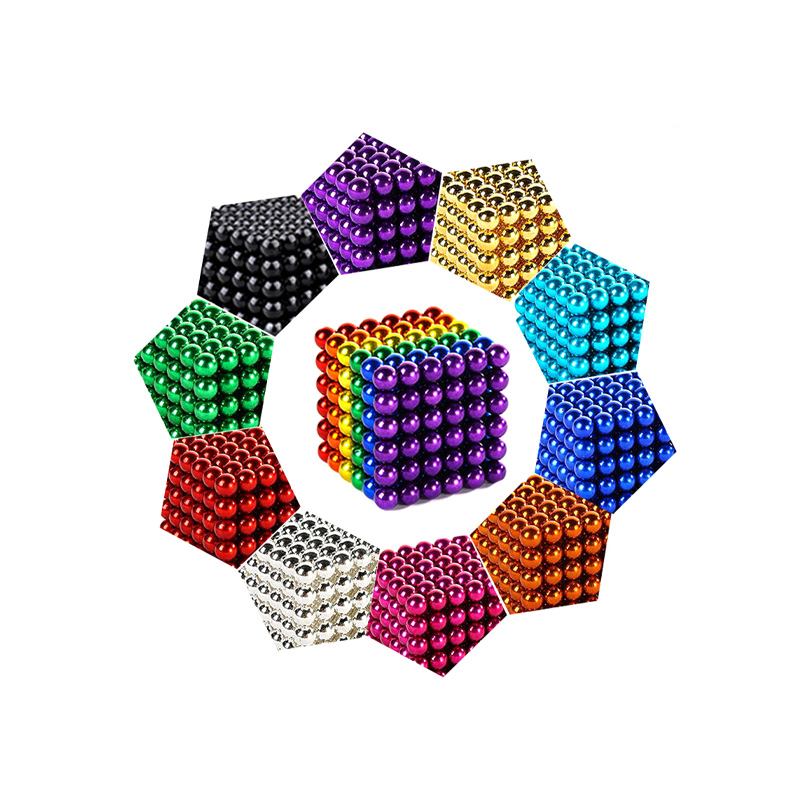
Children naturally enjoy objects that move, connect, and transform. Magnetic balls provide immediate feedback, which makes them different from many traditional building toys.
From a STEM learning perspective, magnetic balls introduce basic concepts related to geometry, balance, symmetry, and magnetic force. Children can observe how small changes in structure affect the final shape.
Construction toys are often used to encourage problem-solving because children need to test ideas and adjust designs. Magnetic ball systems can create opportunities for exploring scientific concepts through direct interaction.
A controlled learning environment can turn magnetic construction into a hands-on science activity rather than simple entertainment.
The biggest concern with magnetic ball toys comes from their size and magnetic force. Small high-powered magnets can be swallowed easily, especially by toddlers who explore objects through their mouths.
The U.S. Consumer Product Safety Commission has issued warnings about several high-powered magnetic ball sets that failed safety requirements. The agency explains that swallowed magnets can attract each other or other metal objects internally, potentially causing intestinal blockage, twisting, perforation, infection, or other severe outcomes.
Not all magnetic toys have the same risk profile. Product structure creates major differences in how children interact with magnets.
This difference explains why parents often evaluate magnetic ball toys more carefully than larger magnetic building systems.
A well-designed magnetic toy requires more than attractive colors. Several engineering details influence durability and safety performance.
For educational products aimed at younger children, manufacturers often focus on larger components, enclosed magnetic systems, and stronger structural protection.
A toy that works well for older children may not be suitable for toddlers. Developmental differences influence how children handle small objects.
Age guidance is an important part of responsible magnetic toy use because the same product can create different experiences across developmental stages.
Magnetic toys can provide valuable learning opportunities, but safe play habits remain necessary.
A Rainbow Magnetic Balls Toy represents both the creative potential and safety challenges of magnetic play products. The colorful design can support pattern recognition, construction thinking, and early STEM exploration, but small high-strength magnets require careful handling.
The educational value of magnetic toys comes from how children use them. A supervised activity with appropriate age guidance can turn magnetic construction into a valuable learning experience. A product without proper safety considerations may create unnecessary risks.
As magnetic toy designs continue developing, the balance between creativity and protection remains the key factor. Bright colors and flexible building options can encourage exploration, while secure design standards and responsible use help create a safer play environment for children.
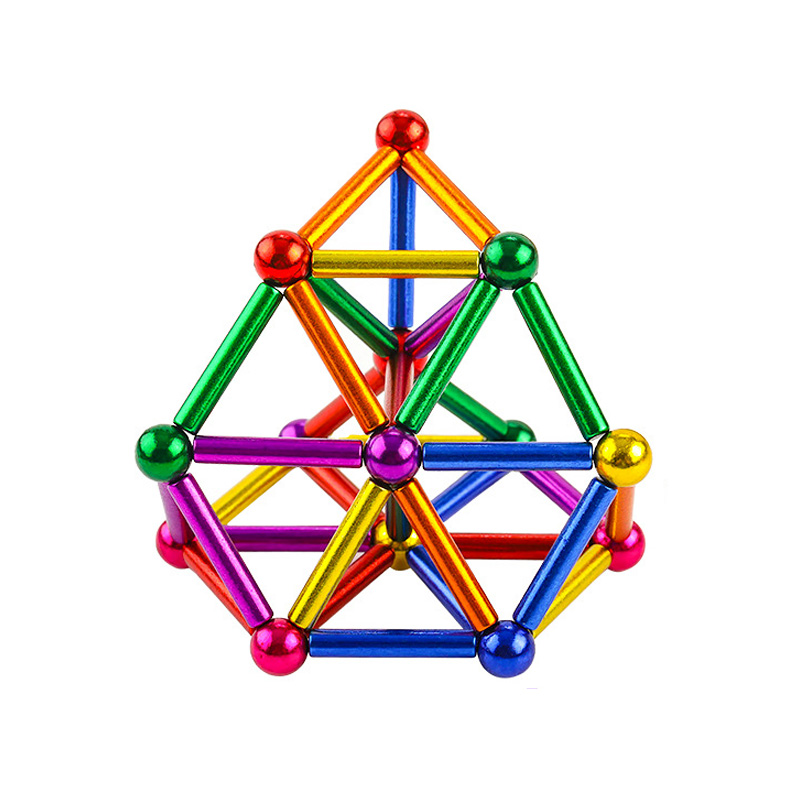
The Color Magnetic Stick and Bucky Ball Set is a versatile and engaging educational toy designed to enhance spatial imag...
See Details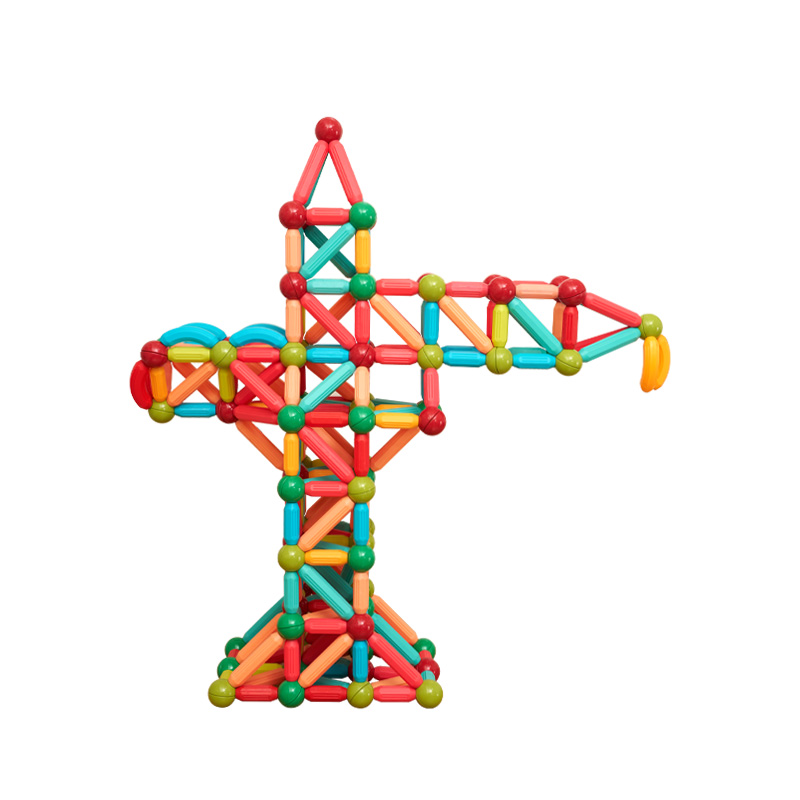
The Colorful Educational Magnetic Stick and Children's Magnetic Building Block Toy is an innovative and engaging toy des...
See Details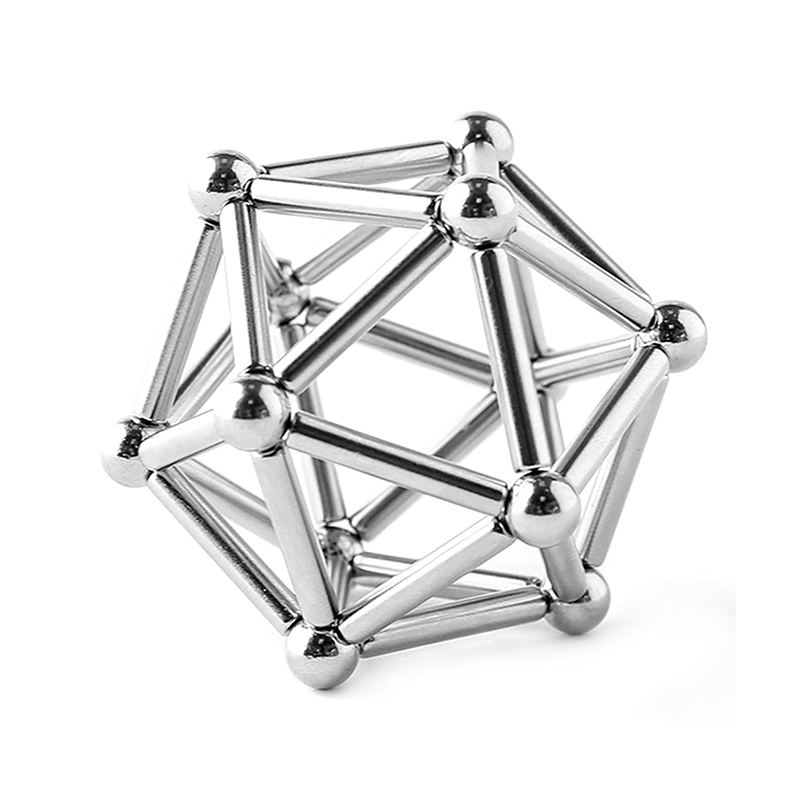
The Boxed Magnetic Stick and Bucky Ball Set is a versatile and engaging toy set designed for creativity and fun. This co...
See Details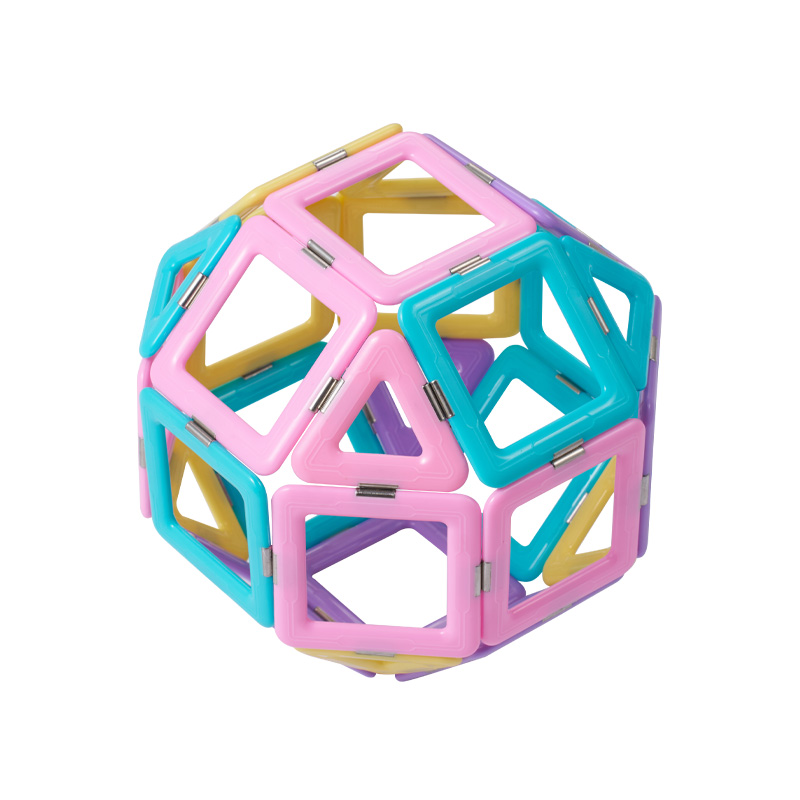
The Candy Color Magnetic Tiles Educational Toy for Children is an engaging and interactive set designed to promote creat...
See Details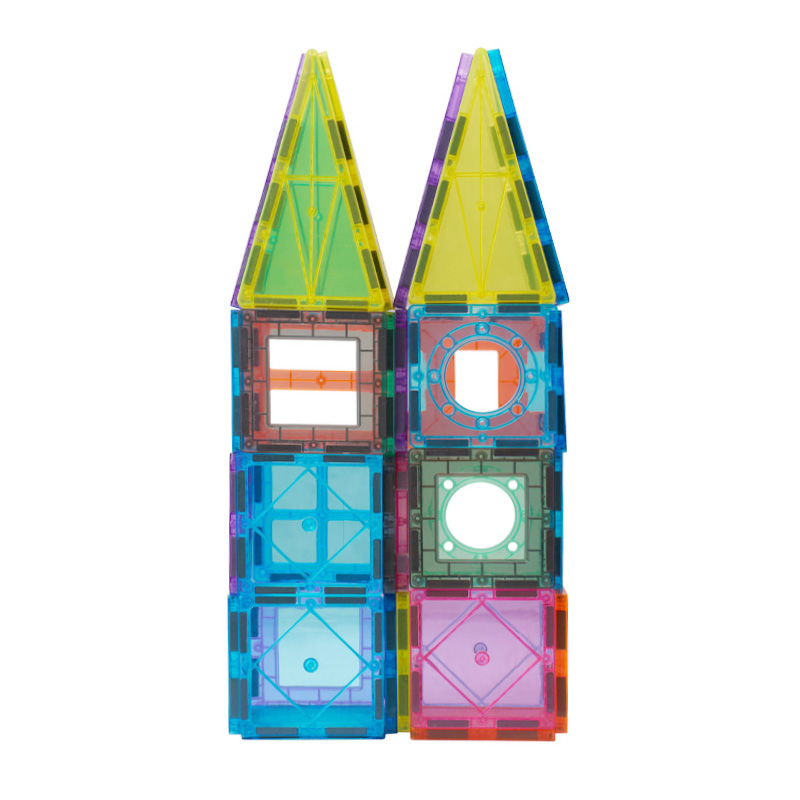
The Semi-transparent Color Window Magnetic Tiles are designed with ABS material, ensuring a smooth, rounded finish that ...
See Details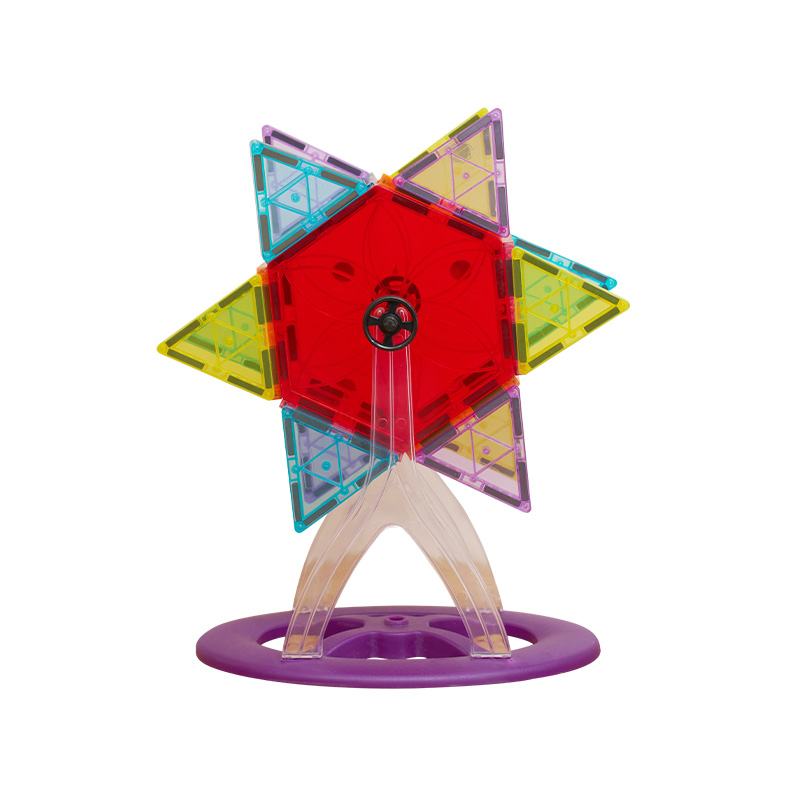
The Transparent Color Ferris Wheel Rotating Magnetic Tiles offer a creative and interactive play experience. Designed to...
See Details
Copyright © Jinhua Xinli Magnetic Industry and Trade Co., Ltd. All Rights Reserved.

Magnet Easy Toy Manufacturer