
 English
 русский
 Español
Color Magnetic Stick And Buck Ball Set, Educational Decompression And Multi-Shape Building Block Toy
The Color Magnetic Stick and Bucky Ball Set is a versatile and engaging educational toy designed to enhance spatial imag...
See Details
Color is one of the earliest visual concepts children begin to understand. Before preschoolers can read words or solve complex problems, they often recognize differences in brightness, patterns, and object categories through everyday experiences. Toys that combine color exploration with hands-on activities can create opportunities for children to connect visual information with physical actions.
Colorful Kids Building Magnetic Blocks combine bright color designs, geometric shapes, and magnetic connections to create a play environment where children can practice matching, grouping, and organizing objects. Rather than learning colors through passive observation, children interact with each piece, making decisions about placement and arrangement during construction.
Studies on construction play show that block-based activities are associated with children's spatial abilities, shape recognition, and visual processing development. Research has found relationships between children's experiences with spatial toys and performance in spatial tasks, suggesting that hands-on building activities provide valuable cognitive practice.
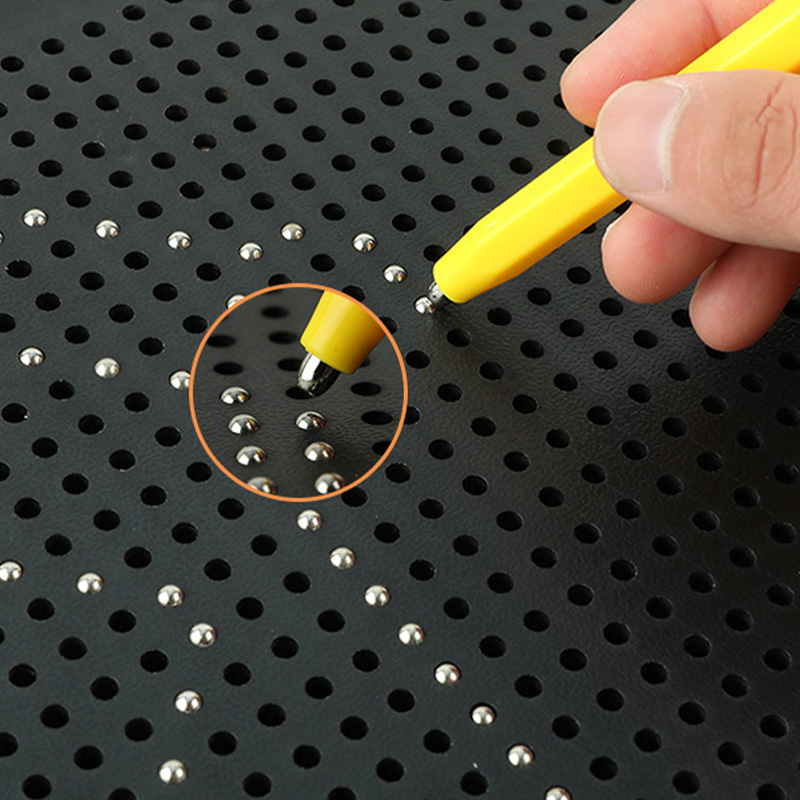
Young children usually learn colors gradually. They move from noticing visual differences to identifying specific colors and eventually using colors as a way to organize information.
A child building a colorful tower may naturally separate blue tiles from yellow tiles or search for a matching piece to complete a pattern. These simple actions create repeated opportunities for visual learning.
Sorting is an important early learning activity because it helps children understand similarities, differences, and classification rules. Magnetic blocks provide multiple sorting possibilities beyond color alone.
Research on preschool block-building activities indicates that shape recognition and shape composition are related to children's ability to create more complex structures.
Color does more than make a toy visually attractive. It can influence how children organize information and plan their designs.
This combination of decision-making and visual exploration transforms a simple building activity into a multi-step thinking process.
The physical structure of magnetic blocks affects how easily children can focus on color and construction concepts.
Many preschool magnetic blocks use ABS plastic shells with embedded magnets. Common piece sizes range from approximately 5 cm to 8 cm, allowing children to hold and connect parts comfortably while creating different structures.
Color recognition is not an isolated skill. It often connects with early mathematics, engineering, and problem-solving activities.
A child who builds a rainbow bridge is not only arranging colors. They are also considering balance, connection points, and structure stability.
Although colorful designs provide visual interest, excessive complexity may affect how some children interact with toys.
A balanced design usually combines enough color variety for creativity while maintaining clear visual differences between pieces.
Parents and teachers can expand the learning value of magnetic blocks through simple challenges.
Educational value depends on reliable product construction. Magnetic blocks designed for young children should include secure magnet placement and durable materials.
Colorful Kids Building Magnetic Blocks offer children a practical way to explore visual differences, sorting concepts, and creative construction at the same time. The combination of bright colors, geometric forms, and magnetic connections creates an interactive experience where learning happens naturally through play.
Rather than teaching colors through repetition alone, magnetic building activities allow children to see, touch, compare, and organize objects during real problem-solving situations. With suitable design and age guidance, these toys can become useful tools for supporting early visual learning and creative thinking.
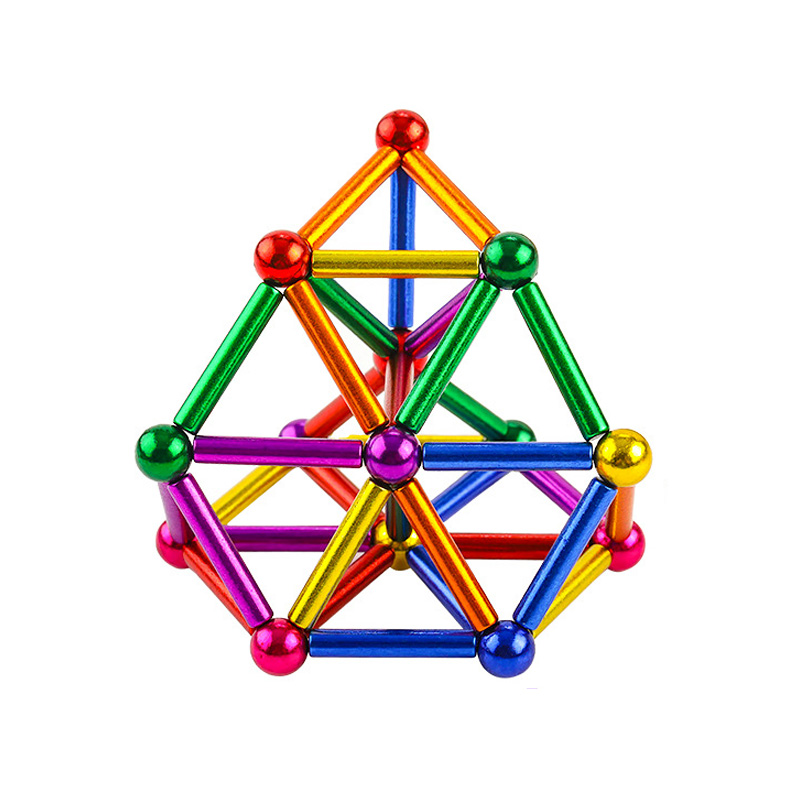
The Color Magnetic Stick and Bucky Ball Set is a versatile and engaging educational toy designed to enhance spatial imag...
See Details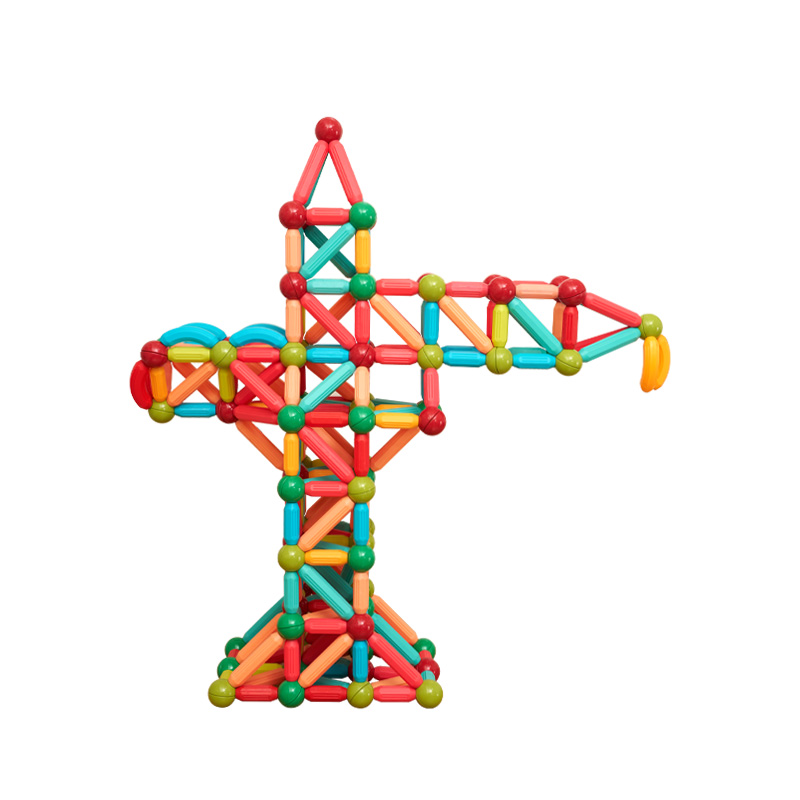
The Colorful Educational Magnetic Stick and Children's Magnetic Building Block Toy is an innovative and engaging toy des...
See Details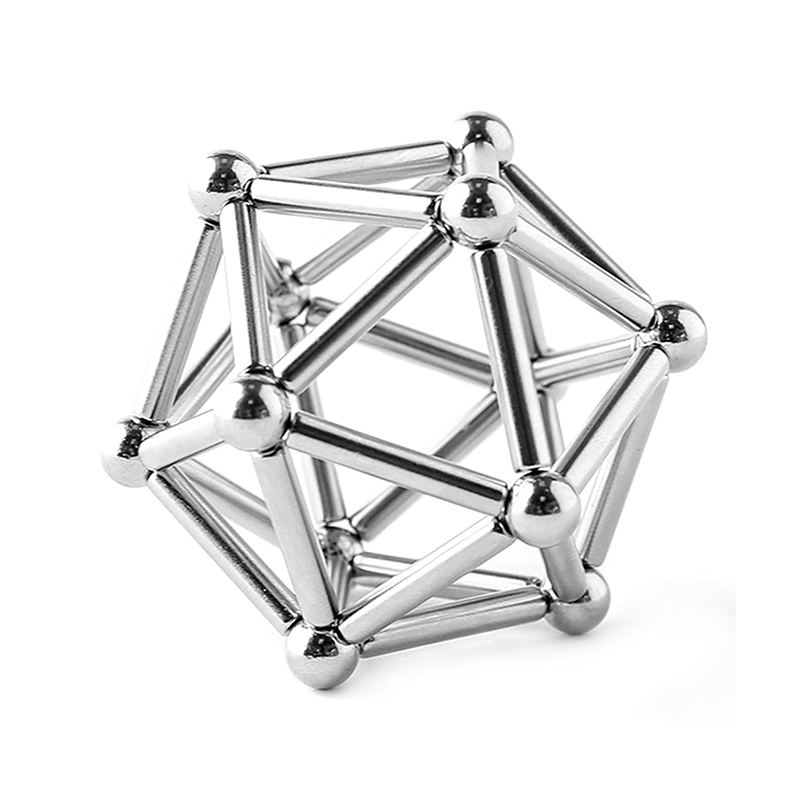
The Boxed Magnetic Stick and Bucky Ball Set is a versatile and engaging toy set designed for creativity and fun. This co...
See Details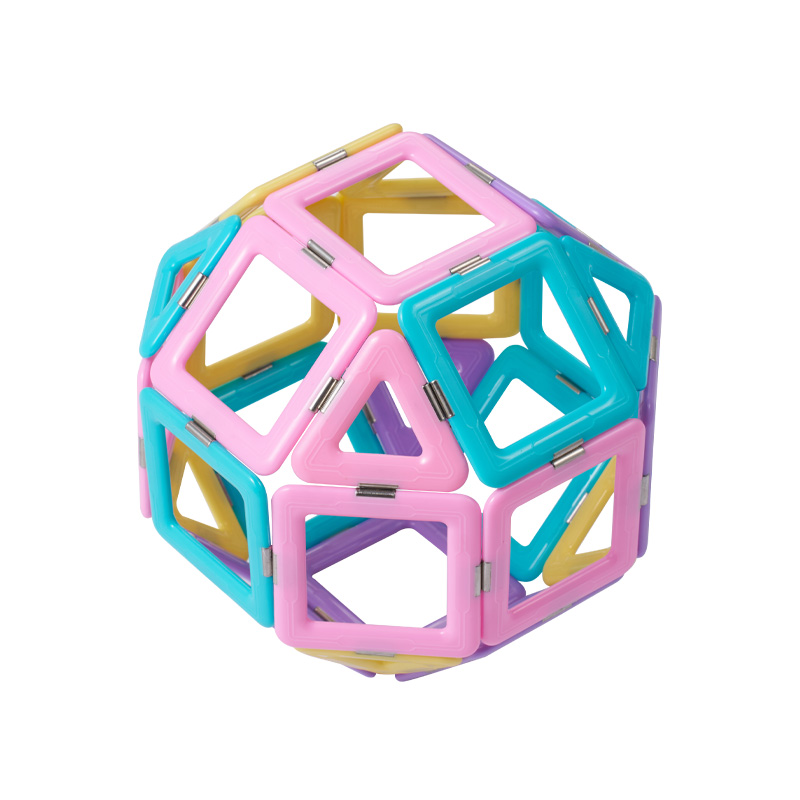
The Candy Color Magnetic Tiles Educational Toy for Children is an engaging and interactive set designed to promote creat...
See Details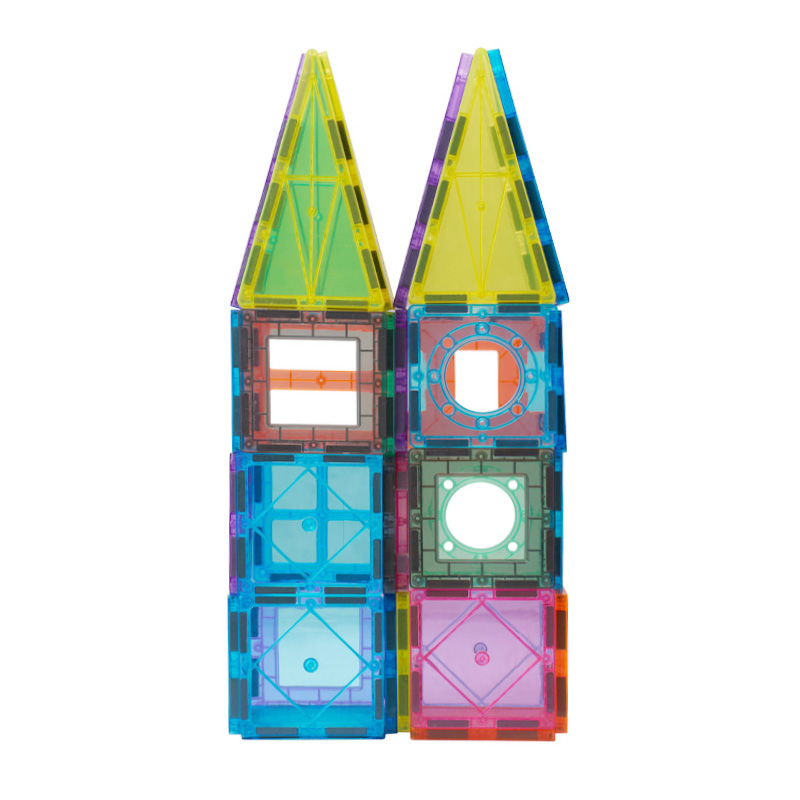
The Semi-transparent Color Window Magnetic Tiles are designed with ABS material, ensuring a smooth, rounded finish that ...
See Details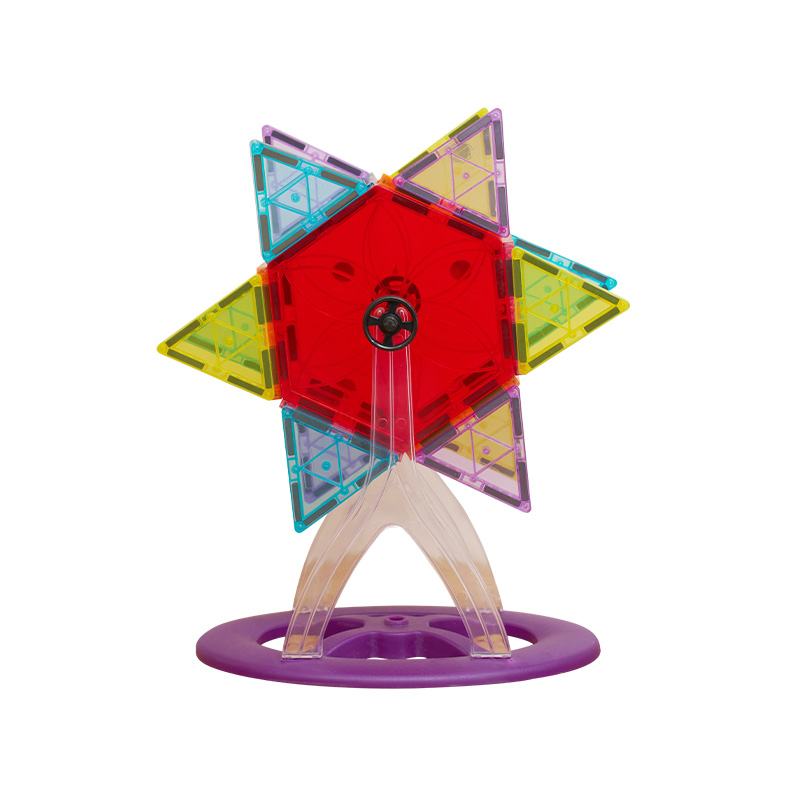
The Transparent Color Ferris Wheel Rotating Magnetic Tiles offer a creative and interactive play experience. Designed to...
See Details
Copyright © Jinhua Xinli Magnetic Industry and Trade Co., Ltd. All Rights Reserved.

Magnet Easy Toy Manufacturer