
 English
 русский
 Español
Color Magnetic Stick And Buck Ball Set, Educational Decompression And Multi-Shape Building Block Toy
The Color Magnetic Stick and Bucky Ball Set is a versatile and engaging educational toy designed to enhance spatial imag...
See Details
Magnetic construction sets are widely used in creative play, educational activities, and STEM learning. A typical set may contain magnetic rods, connecting balls, and other accessories that allow children to build different geometric structures. However, purchasing decisions should consider more than the initial package contents. The availability of replacement components can also influence inventory management, customer service, and long-term distribution planning.
At Xinli, we understand that wholesalers, importers, and educational product distributors need to evaluate the complete supply arrangement before placing bulk orders. For magnetic sticks & balls, component consistency and replacement support deserve particular attention because individual pieces contribute directly to the overall construction experience.
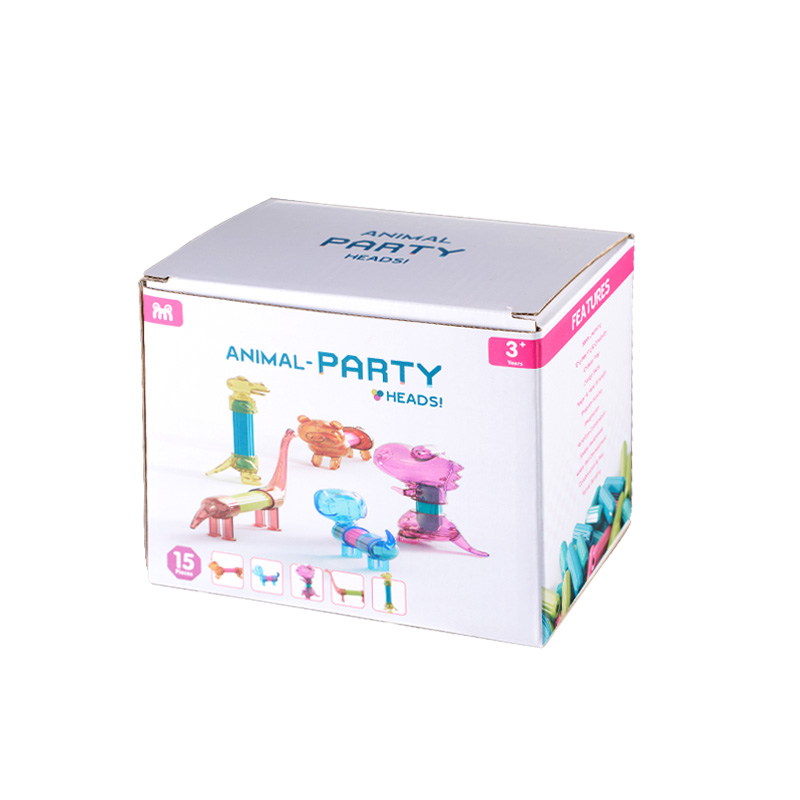
Magnetic construction sets contain multiple small components that may become misplaced, damaged, or unavailable during regular use. This is particularly relevant to products used in classrooms, activity centers, and shared play environments.
Several situations may create replacement requirements:
Understanding these scenarios helps buyers determine whether replacement components should be included in their initial sourcing discussions.
Replacement availability alone does not guarantee that additional components will work properly with existing sets. Dimensions, magnetic positioning, material construction, and connection design should remain compatible with the original product specification.
Buyers should confirm several technical details:
At Xinli, we consider clear product specifications an important reference for communication about additional components. Buyers should evaluate replacement samples against the approved original set before arranging larger replenishment orders.
Not every toy supplier offers the same level of support for individual components. Some suppliers primarily provide complete retail sets, while others may be able to discuss additional parts, customized assortments, or separate packaging arrangements.
Before confirming a purchasing agreement, distributors should ask:
These questions help buyers understand the supplier's actual capabilities instead of relying on general promises of after-sales support.
Replacement parts can influence how distributors organize their warehouse inventory. Keeping a clear record of individual components makes it easier to manage product completeness and respond to customer requests.
Several purchasing arrangements may be considered:
These arrangements are particularly relevant to educational suppliers serving multiple schools or retailers managing several magnetic construction set configurations.
Replacement components should follow the same relevant quality and safety requirements as the original product. A replacement rod or magnetic ball is not automatically suitable simply because its dimensions appear similar.
Buyers should pay attention to the following inspection areas:
For the US market, magnetic toys intended for children are subject to applicable requirements under ASTM F963 and related regulations. Buyers should ensure that replacement arrangements do not introduce unassessed components into an approved product configuration.
Discussing replacement requirements before bulk production can make supplier coordination more organized. Buyers do not necessarily need to purchase additional components with every order, but they should understand the available arrangements and related costs.
At Xinli, we recommend including the following information in the purchasing brief:
This information gives the supplier a clearer understanding of the project and allows both parties to discuss practical supply arrangements before an order is confirmed.
Magnetic construction sets should be evaluated as complete product systems rather than collections of individual pieces. Component compatibility, replacement availability, inventory organization, and safety requirements can all influence the purchasing experience.
At Xinli, we understand the needs of international wholesalers, educational suppliers, and toy distributors. Clear specifications and early communication about additional components help establish more organized sourcing arrangements for magnetic sticks and balls.
Contact Xinli to discuss magnetic construction set configurations, component specifications, packaging options, and purchasing requirements for your target market.
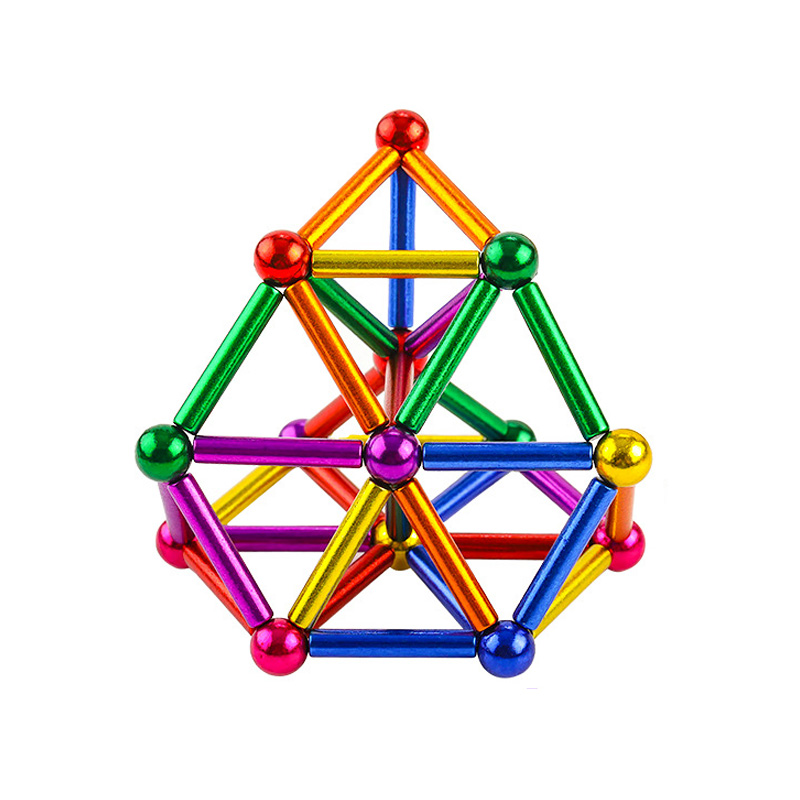
The Color Magnetic Stick and Bucky Ball Set is a versatile and engaging educational toy designed to enhance spatial imag...
See Details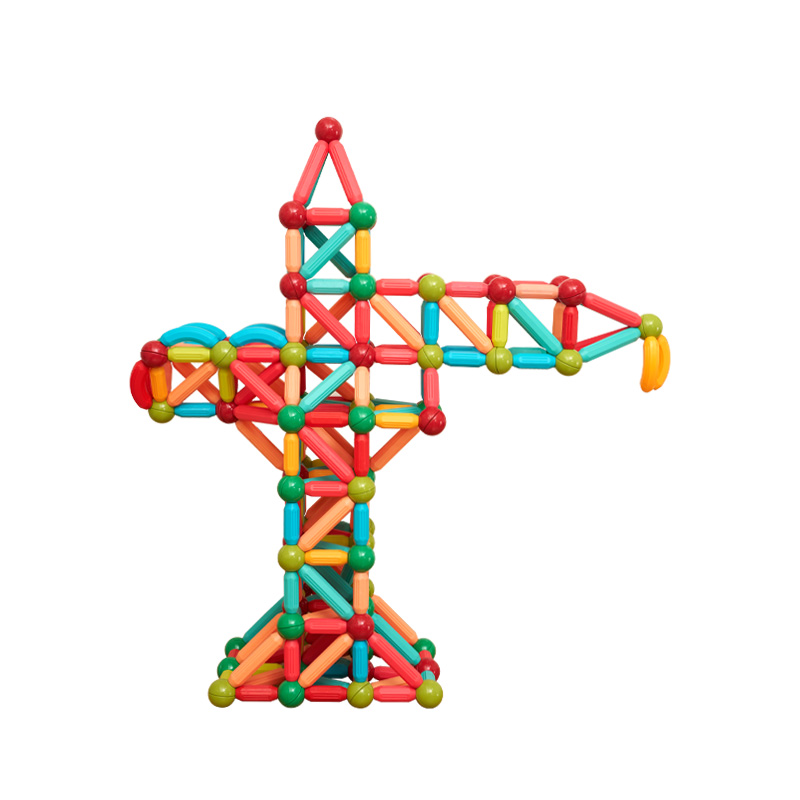
The Colorful Educational Magnetic Stick and Children's Magnetic Building Block Toy is an innovative and engaging toy des...
See Details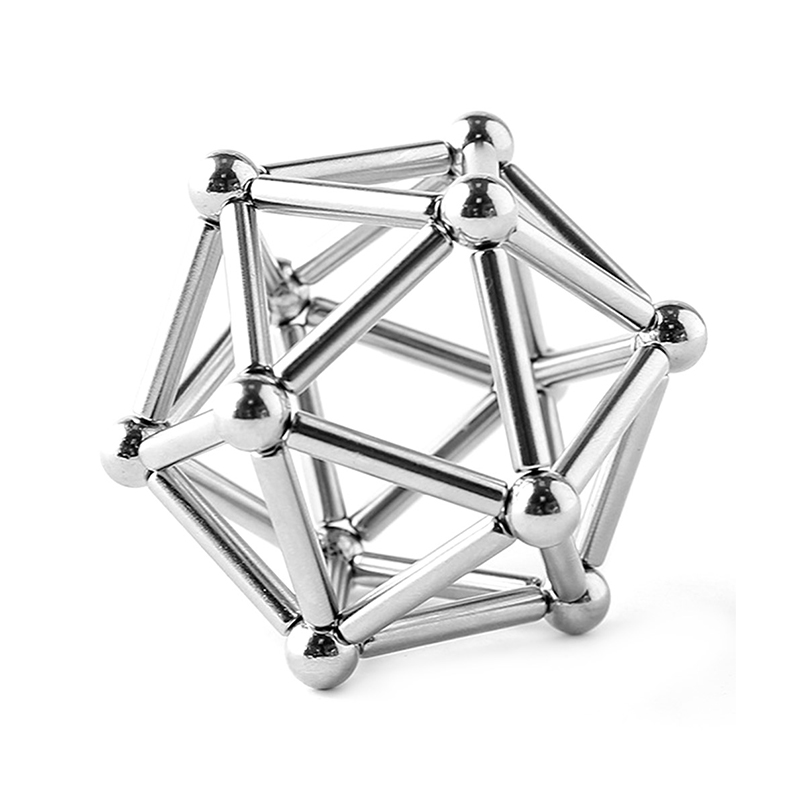
The Boxed Magnetic Stick and Bucky Ball Set is a versatile and engaging toy set designed for creativity and fun. This co...
See Details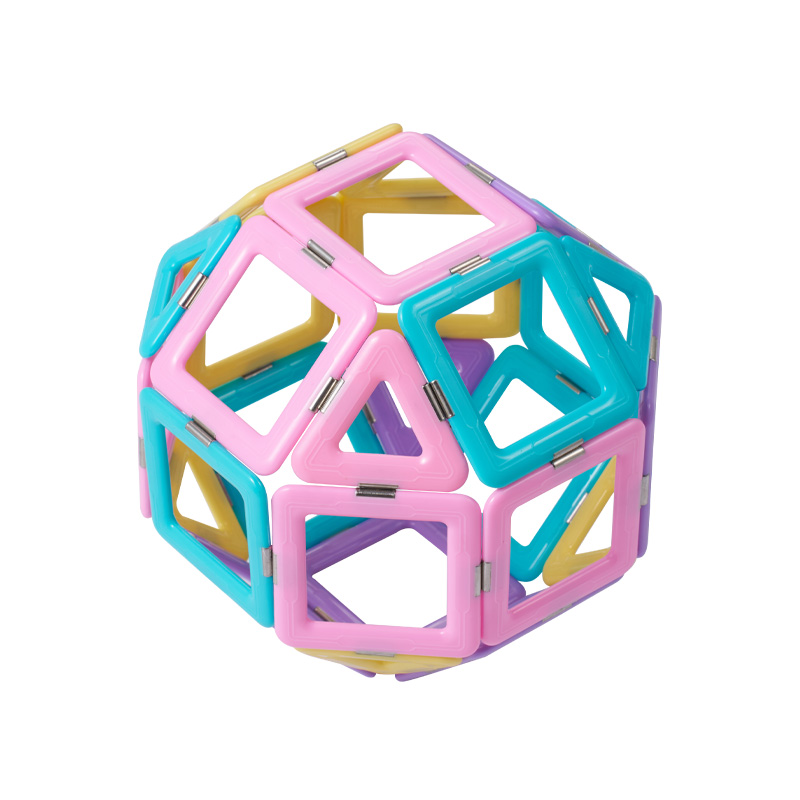
The Candy Color Magnetic Tiles Educational Toy for Children is an engaging and interactive set designed to promote creat...
See Details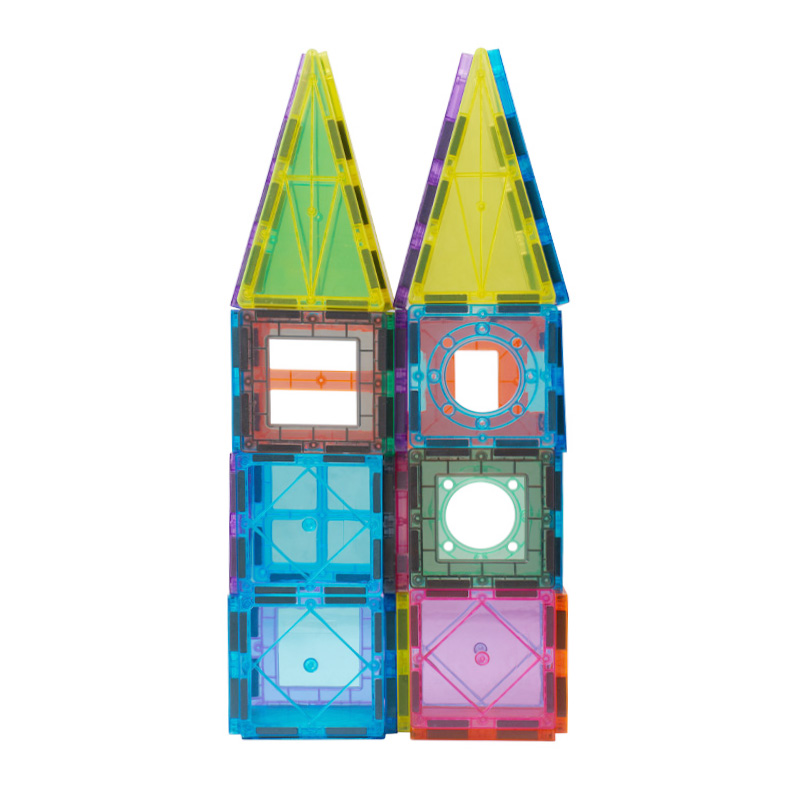
The Semi-transparent Color Window Magnetic Tiles are designed with ABS material, ensuring a smooth, rounded finish that ...
See Details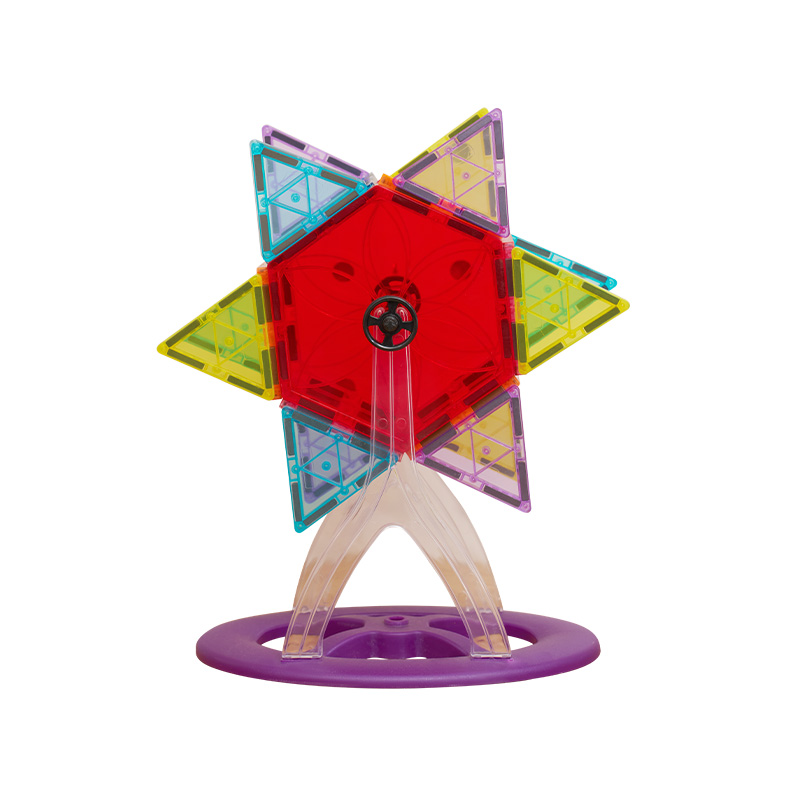
The Transparent Color Ferris Wheel Rotating Magnetic Tiles offer a creative and interactive play experience. Designed to...
See Details
Copyright © Jinhua Xinli Magnetic Industry and Trade Co., Ltd. All Rights Reserved.

Magnet Easy Toy Manufacturer