
 English
 русский
 Español
Color Magnetic Stick And Buck Ball Set, Educational Decompression And Multi-Shape Building Block Toy
The Color Magnetic Stick and Bucky Ball Set is a versatile and engaging educational toy designed to enhance spatial imag...
See Details
Magnetic drawing pads sit in a curious space between toy and learning tool. They are simple at first glance. A sealed board, a magnetic pen, and a surface that can be drawn on and erased repeatedly.
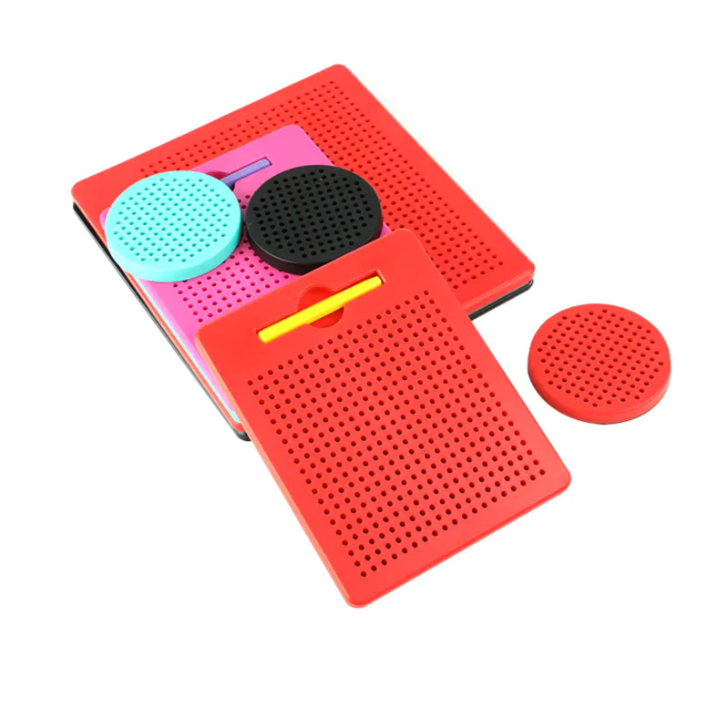
Despite the simplicity, they appear in many households with children of different ages. The question is not just whether they are useful, but when they actually fit into a child's development stage.
Age matters here, but not in a strict way. It is more about behavior, attention span, and how children interact with visual tools.
The appeal starts with motion. A child moves the pen, and a visible line appears. That immediate feedback creates curiosity.
There is no ink, no paper, no permanent mark. Everything can be reset in seconds. That creates a low-pressure environment for exploration.
Younger children respond to the cause-and-effect moment. Older children tend to explore shapes, patterns, or simple drawings. The same object is used differently depending on how the user thinks.
That flexibility is what makes it appear across multiple age ranges.
The earliest interaction usually comes from toddlers. At this stage, attention is short, and physical movement is still developing.
A magnetic pad offers something easy to grasp. One motion creates a visible line. Another motion clears it.
There is no need for instructions or reading ability. That simplicity fits early exploratory behavior.
For this age group, the focus is not drawing accuracy. It is interaction. Moving the pen, seeing the result, and repeating the action.
The experience is repetitive, but repetition is part of early learning behavior.
As children grow slightly older, the use changes.
Preschool-age children begin to recognize shapes and attempt basic drawing patterns. Circles, lines, and simple figures often appear first.
At this stage, the magnetic pad becomes more than just interaction. It starts to support early expression.
Mistakes are not a problem. They disappear with a simple reset. That reduces hesitation and encourages repeated attempts.
This age group often uses the pad for short creative bursts rather than long sessions.
Once children enter early schooling years, drawing becomes more structured. There is more awareness of shapes, letters, and visual accuracy.
A magnetic pad in this stage often serves as a practice tool rather than a free exploration device.
Children may use it to trace letters, repeat patterns, or test simple ideas before transferring them to paper.
It is not a replacement for traditional writing tools. It acts more like a low-pressure space to test visual ideas without concern for permanence.
The ability to erase instantly keeps experimentation active.
Age affects not only ability but also attention span.
Younger children tend to use the pad in short bursts. They draw, erase, and repeat quickly. The cycle itself is the attraction.
Older children may spend more time on a single drawing. They attempt to refine shapes or build small sequences of images.
The same tool supports both behaviors without adjustment.
This adaptability is one reason it appears in mixed-age environments, such as homes with siblings.
There is no strict cutoff point where usage suddenly stops.
Instead, interest tends to shift. As children grow, they often move toward more detailed drawing tools or digital platforms.
However, the magnetic pad does not disappear completely from use. It may still be used for quick sketches, ideas, or casual drawing moments.
In some cases, even older children use it as a thinking space rather than a final output tool.
It becomes less about drawing and more about visual thinking.
Safety perception is closely tied to age.
For younger users, design simplicity matters more than complexity. Fewer detachable parts and smooth surfaces are important considerations.
Magnetic drawing pads are generally sealed units. This reduces interaction with internal components and keeps usage straightforward.
As age increases, safety concerns shift from physical risk to usability preference.
Older children focus more on drawing experience, while younger ones rely on ease of handling.
The same object supports different developmental aspects depending on age.
| Age Range | Common Interaction Style | Observed Skill Development |
|---|---|---|
| Early toddlers | Repetitive drawing and erasing | Hand movement awareness |
| Preschool stage | Simple shapes and visual exploration | Early creativity and coordination |
| Early school age | Structured drawing and tracing | Symbol recognition and control |
| Older children | Idea sketching and casual use | Visual thinking and planning |
The progression is not strict. Children may move between stages depending on interest and environment.
One reason is simplicity. There is no setup process, no ink, and no mess.
Another reason is repetition safety. Children can draw and erase endlessly without running out of materials.
It also creates a controlled environment for exploration. Parents often prefer tools that allow creativity without permanent changes to surfaces or paper consumption.
The low maintenance aspect makes it easy to keep within reach.
In early stages, the focus is sensory interaction. Movement creates result.
In mid stages, the focus shifts toward representation. Shapes start to mean something.
In later stages, it becomes a flexible sketch tool. Ideas appear quickly and disappear just as fast.
The same device adapts without change, but the user experience evolves significantly over time.
That adaptability is what keeps it relevant across age differences rather than limiting it to one group.
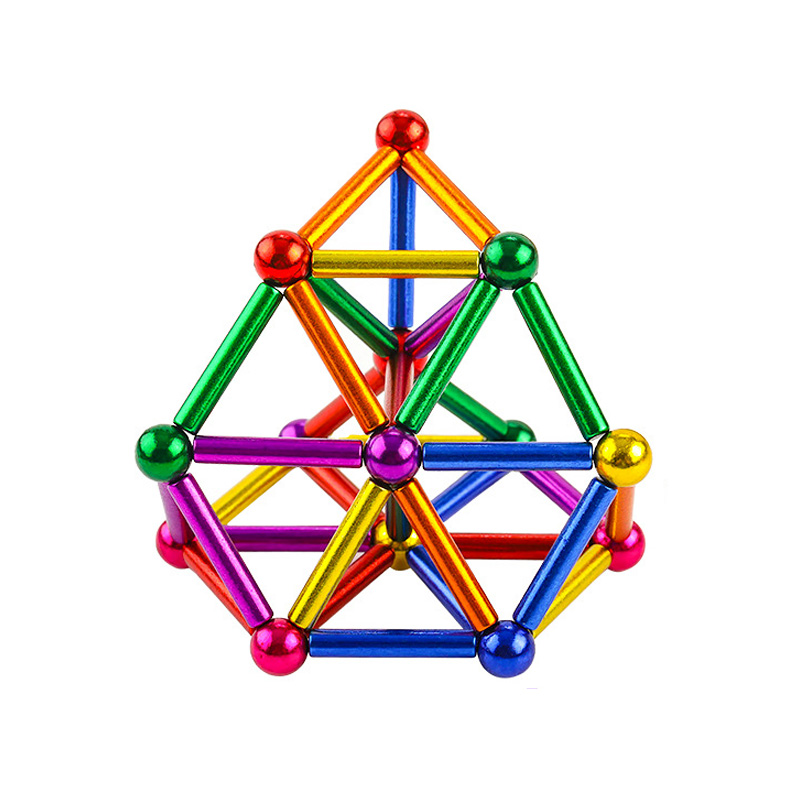
The Color Magnetic Stick and Bucky Ball Set is a versatile and engaging educational toy designed to enhance spatial imag...
See Details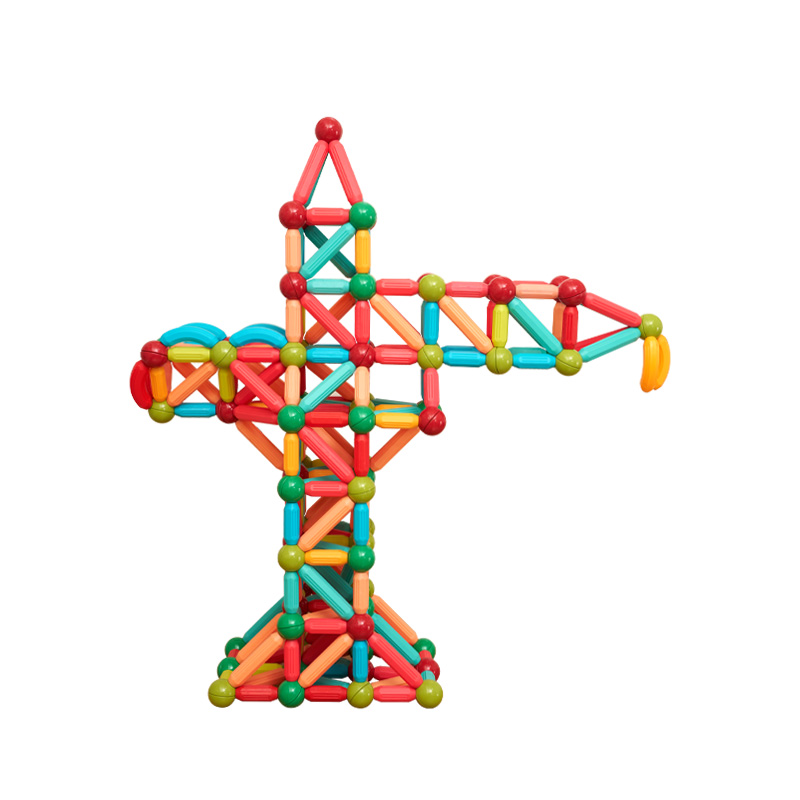
The Colorful Educational Magnetic Stick and Children's Magnetic Building Block Toy is an innovative and engaging toy des...
See Details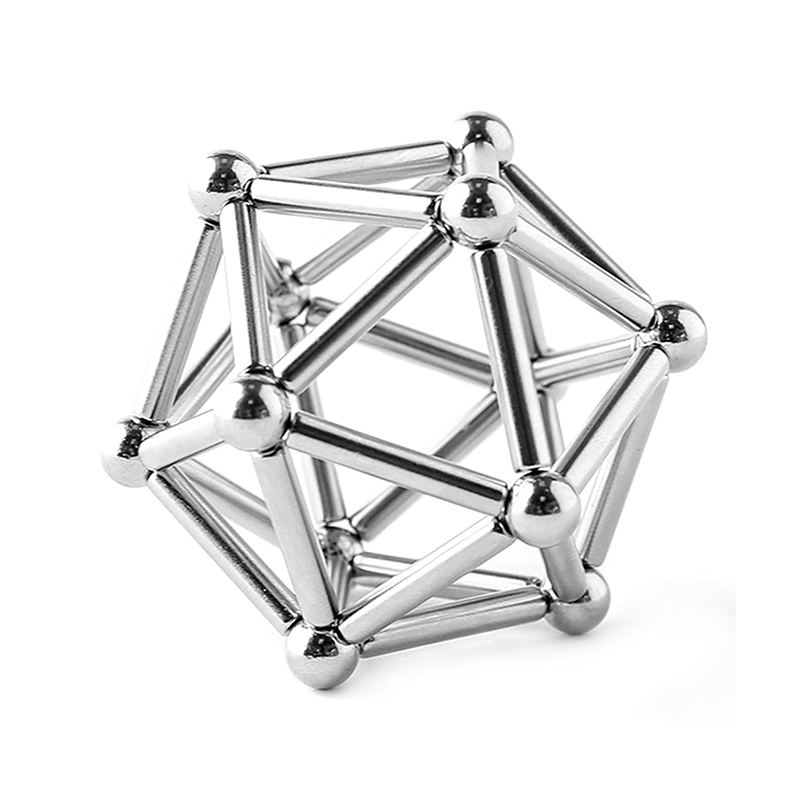
The Boxed Magnetic Stick and Bucky Ball Set is a versatile and engaging toy set designed for creativity and fun. This co...
See Details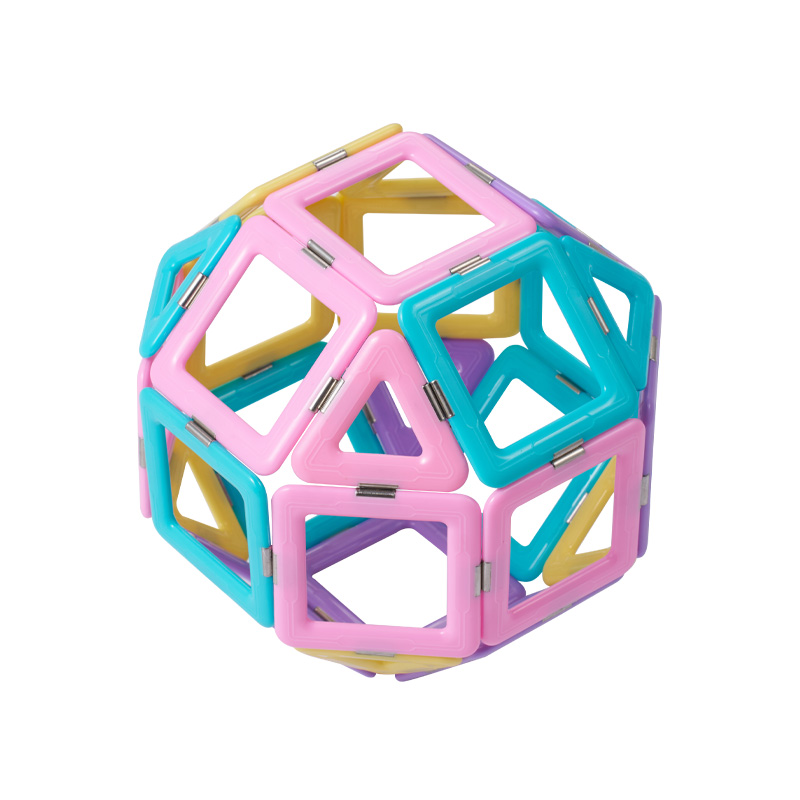
The Candy Color Magnetic Tiles Educational Toy for Children is an engaging and interactive set designed to promote creat...
See Details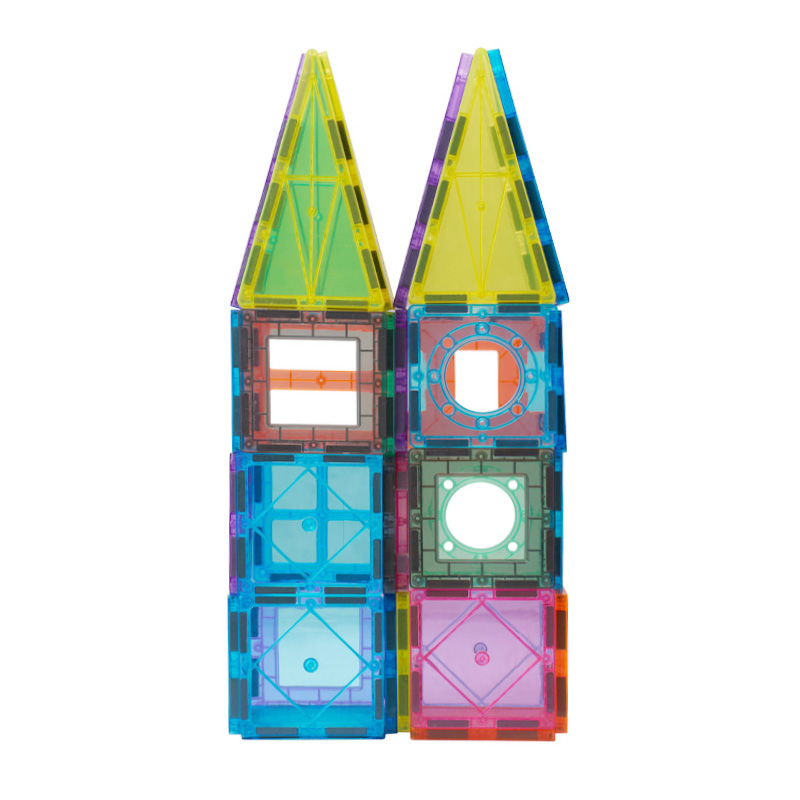
The Semi-transparent Color Window Magnetic Tiles are designed with ABS material, ensuring a smooth, rounded finish that ...
See Details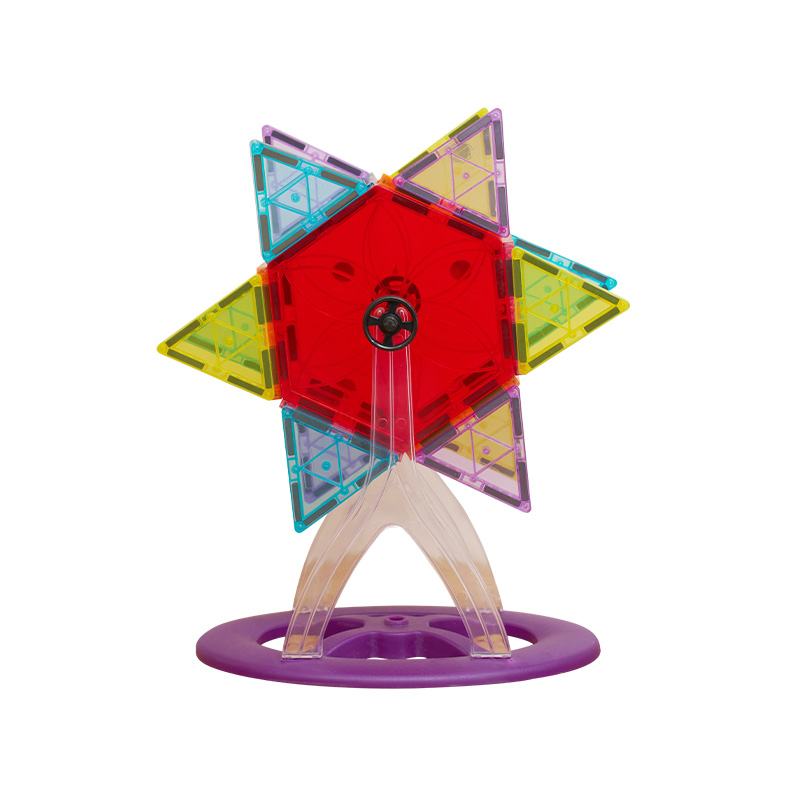
The Transparent Color Ferris Wheel Rotating Magnetic Tiles offer a creative and interactive play experience. Designed to...
See Details
Copyright © Jinhua Xinli Magnetic Industry and Trade Co., Ltd. All Rights Reserved.

Magnet Easy Toy Manufacturer