
 English
 русский
 Español
Color Magnetic Stick And Buck Ball Set, Educational Decompression And Multi-Shape Building Block Toy
The Color Magnetic Stick and Bucky Ball Set is a versatile and engaging educational toy designed to enhance spatial imag...
See Details
At first glance, Bucky Ball toys look like simple desk objects. Small magnetic spheres. Easy to connect. Easy to separate. They sit quietly on a table until someone picks them up and starts moving them around.
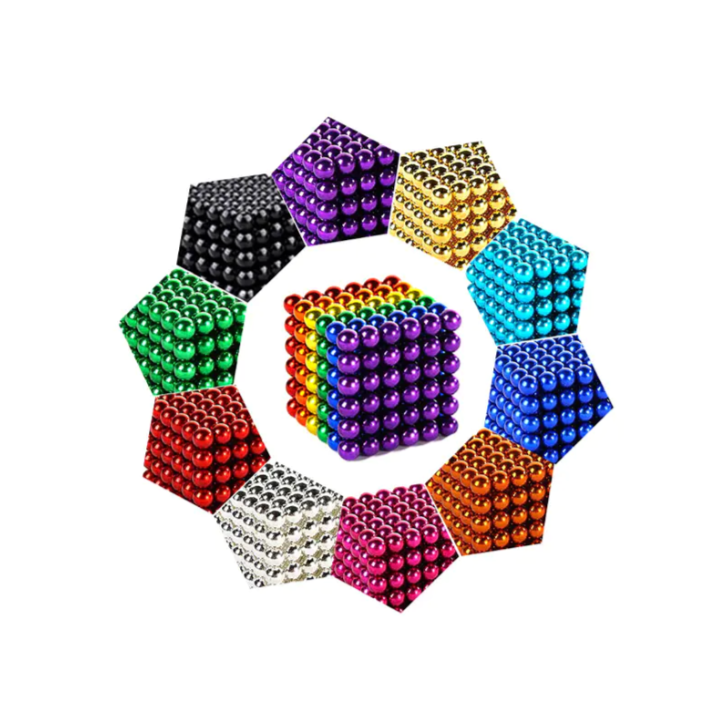
But once interaction begins, the experience changes. It stops being a static object and turns into something closer to a shifting system. Shapes appear, fall apart, rebuild again. Nothing stays fixed for long.That constant change is where the learning effect quietly starts to appear.
There is no manual feeling to it. No step-by-step instruction. Just movement and reaction.
A few spheres connect. Then more are added. A shape forms without a clear plan. It might look like something familiar, or it might not resemble anything at all.
Then a small adjustment changes everything.
That process creates a different kind of attention. Not focused in a rigid way, but continuously returning. The hands stay involved, and the mind follows.
Over time, this repeated loop of forming and changing starts to influence how people approach small problems in general.
Spatial awareness is often difficult to explain in words. It is easier to understand through handling objects.
With Bucky Balls, shapes are not drawn or imagined first. They are built directly in space. A flat line becomes a curve. A curve becomes a closed form. A closed form can suddenly expand again.
Nothing is permanent, which forces the mind to constantly adjust.
Instead of thinking in fixed diagrams, users start to think in movement. How one shape becomes another. How small changes affect overall structure.
This kind of thinking does not feel like learning at first. It feels like playing. But repetition slowly builds awareness of space, balance, and structure.
The effects are not isolated. They overlap and appear gradually during repeated interaction. Some are easy to notice, others stay subtle.
| Skill Area | How It Appears During Use |
|---|---|
| Spatial awareness | Understanding how shapes shift and expand in space |
| Hand coordination | Controlling small movements with increasing precision |
| Creative variation | Trying different structures without fixed expectations |
| Focus retention | Staying engaged through continuous small adjustments |
| Pattern recognition | Noticing which shapes hold or collapse easily |
| Flexible thinking | Adjusting ideas when outcomes change unexpectedly |
These skills do not appear all at once. They develop unevenly, depending on how often the object is used and how freely it is explored.
There is no instruction telling what should be built. That absence of direction changes the experience.
A structure can be simple or complex. Symmetrical or irregular. Stable or unstable. None of these outcomes is considered final.
Because nothing is permanent, there is less pressure to "get it right."
A shape can exist for a few seconds, then change into something completely different. That transition encourages experimentation without hesitation.
Some users start building recognizable forms. Others focus on abstract patterns. Most end up somewhere in between, shifting continuously without a fixed goal.
Creativity in this context is less about producing something finished and more about exploring what happens next.
Focus in this case does not feel like effort. It is more like being drawn into repetition.
Hands move. Pieces connect. Shapes change. That cycle creates a rhythm.
Even when attention drifts, it can return easily because the object is always changing. There is no single point to lose.
Instead of holding focus tightly, the mind keeps coming back naturally.
This type of engagement often appears in short breaks during work or study. It does not interrupt thinking completely, but it shifts attention to something lighter.
Problem-solving in daily life is rarely about big decisions. It is usually about small adjustments.
Bucky Ball interaction mirrors that pattern.
A structure does not always work on the first attempt. Pieces may not hold. Balance may shift unexpectedly. Something collapses without warning.
The response is simple: adjust and try again.
There is no penalty for failure. Only change.
That cycle encourages a more flexible response style. Instead of stopping at a broken result, the process continues until something stable appears again.
Over time, this approach can feel familiar even outside the toy itself.
The physical movement is subtle but constant.
Each sphere is small. Placing it requires attention. Aligning it with others requires even more precision.
At first, movements may feel slightly uncertain. Pieces may snap in unwanted directions or shift unexpectedly.
With repetition, control improves naturally. Fingers begin to adjust more smoothly. Coordination between vision and movement becomes more stable.
It does not feel like training. It feels like getting used to a familiar object.
In many environments, especially busy or repetitive ones, small objects are used to create short breaks in attention.
Bucky Balls fit into that pattern without requiring setup or preparation.
There is no goal. No end condition. Just interaction.
That simplicity matters. It allows attention to move away from structured tasks without fully disconnecting.
Hands stay active. The mind shifts slightly. Pressure feels reduced, even if only for a short period.
It is not a solution to stress, but more like a temporary change in mental direction.
Some objects lose appeal quickly once their function is understood. Bucky Balls tend to behave differently because there is no fixed endpoint.
Every structure can be changed. Every idea can be rebuilt.
Even familiar shapes do not stay permanent for long.
That constant possibility keeps the experience open. There is no final version of what can be made.
It is not about completing something. It is about seeing what happens when small changes continue to stack.
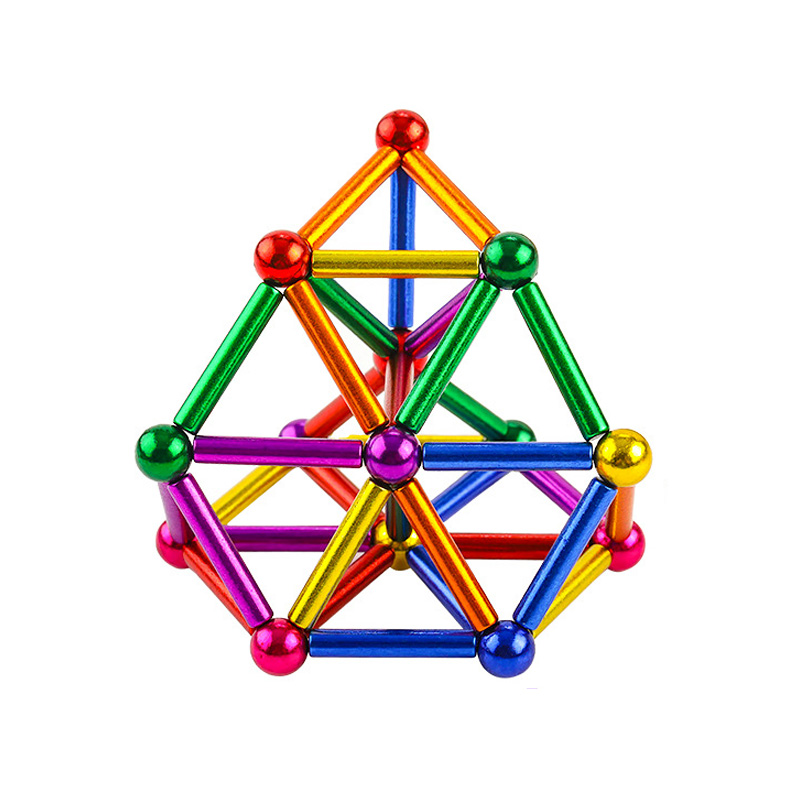
The Color Magnetic Stick and Bucky Ball Set is a versatile and engaging educational toy designed to enhance spatial imag...
See Details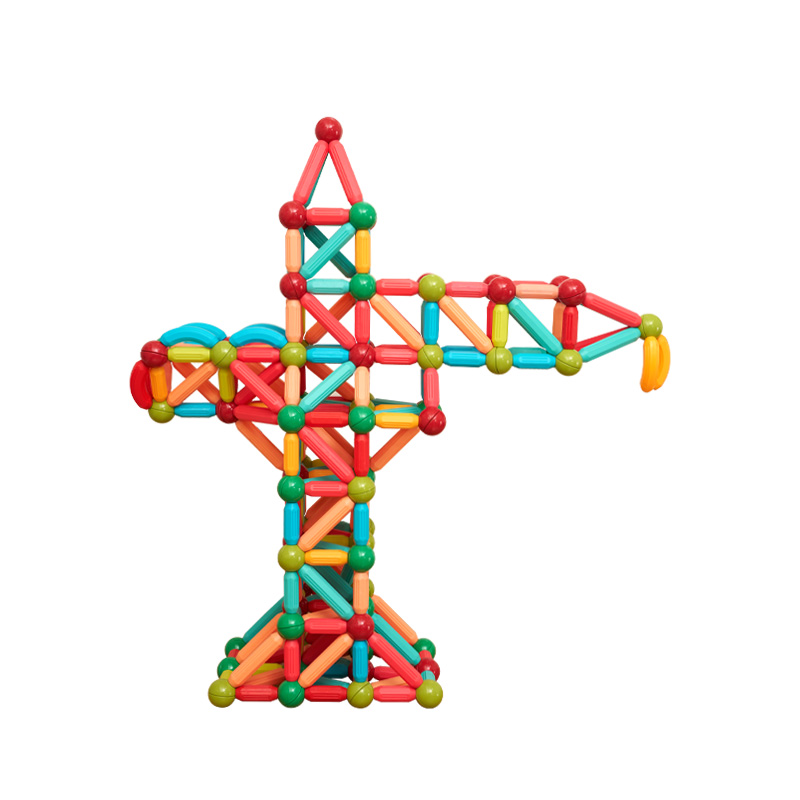
The Colorful Educational Magnetic Stick and Children's Magnetic Building Block Toy is an innovative and engaging toy des...
See Details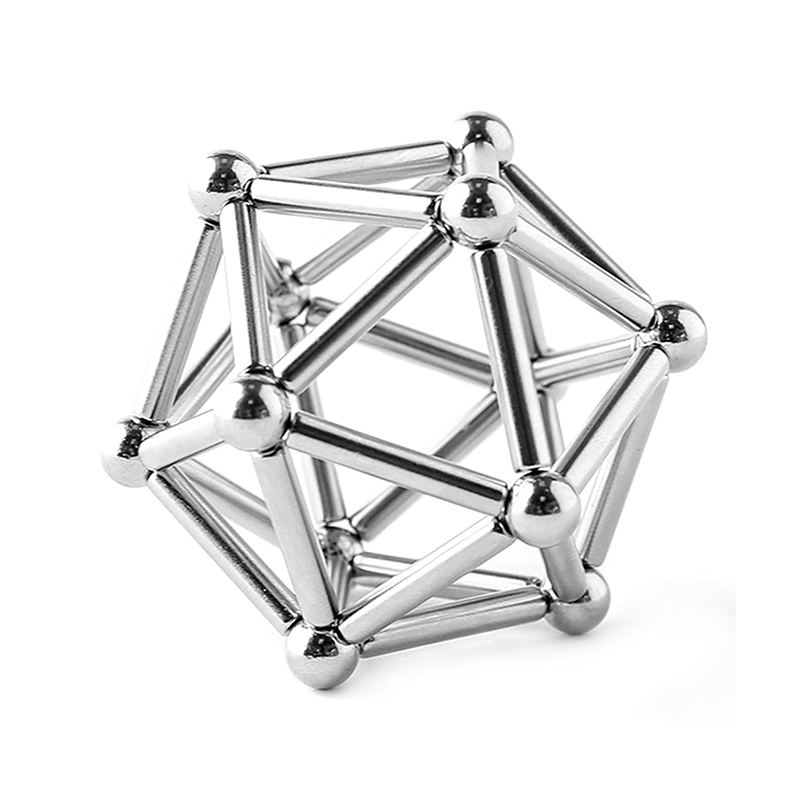
The Boxed Magnetic Stick and Bucky Ball Set is a versatile and engaging toy set designed for creativity and fun. This co...
See Details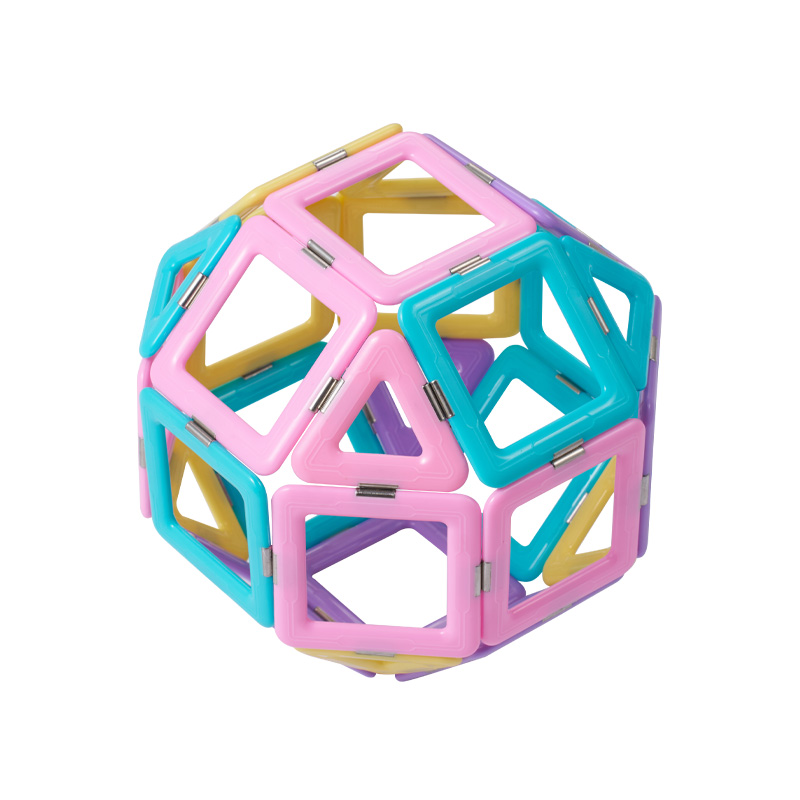
The Candy Color Magnetic Tiles Educational Toy for Children is an engaging and interactive set designed to promote creat...
See Details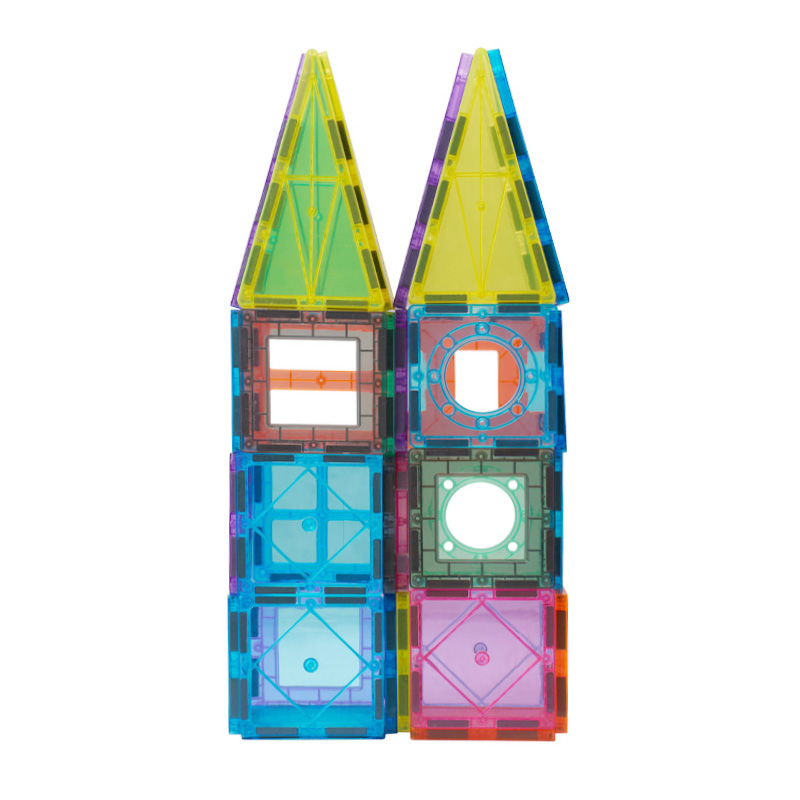
The Semi-transparent Color Window Magnetic Tiles are designed with ABS material, ensuring a smooth, rounded finish that ...
See Details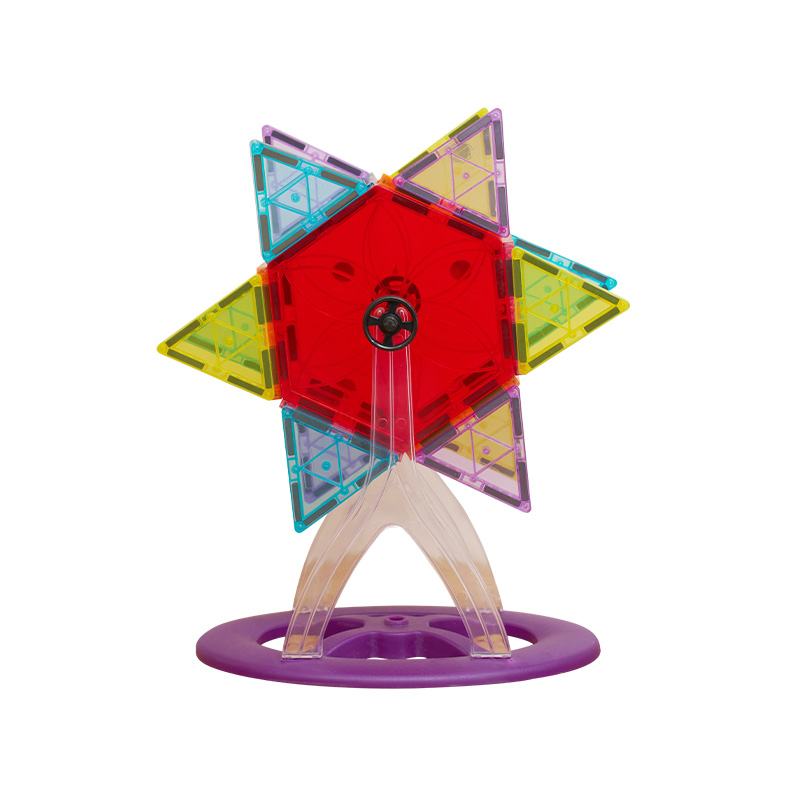
The Transparent Color Ferris Wheel Rotating Magnetic Tiles offer a creative and interactive play experience. Designed to...
See Details
Copyright © Jinhua Xinli Magnetic Industry and Trade Co., Ltd. All Rights Reserved.

Magnet Easy Toy Manufacturer