
 English
 русский
 Español
Color Magnetic Stick And Buck Ball Set, Educational Decompression And Multi-Shape Building Block Toy
The Color Magnetic Stick and Bucky Ball Set is a versatile and engaging educational toy designed to enhance spatial imag...
See Details
Rod-and-sphere construction toys have expanded far beyond simple stacking play. Color Magnetic Stick And Buck Ball Set introduces a different building logic where linear rods and spherical connectors create flexible geometric frameworks. Unlike flat tile systems or cube blocks, this format behaves more like a lightweight engineering model. User discussions often focus on structural strength, connection reliability, and safety considerations. A major concern involves whether rod-and-ball assemblies can maintain shape under movement or whether joints loosen during complex builds. Reports from consumer safety agencies also highlight risks associated with small high-powered magnetic components, especially in products that may separate under stress. Despite concerns, these sets remain popular in STEM learning environments due to their ability to demonstrate geometry, symmetry, and structural balance in a highly visual way.
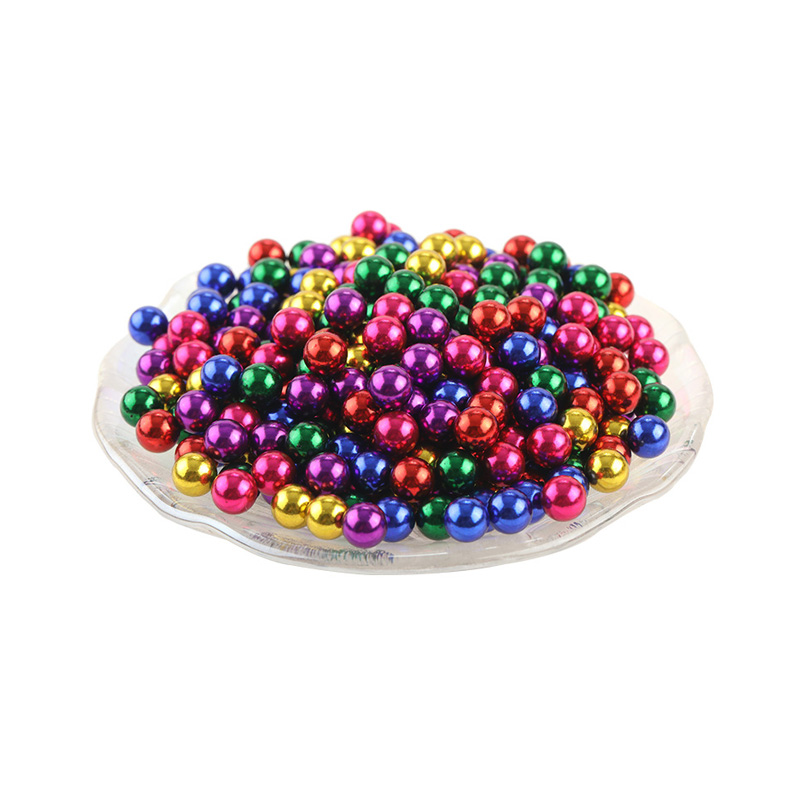
Construction behavior changes significantly because rods create directional forces instead of flat surface contact.
Spatial freedom becomes more noticeable because users are not restricted to grid-based stacking patterns. Instead, shapes can expand in multiple directions, forming pyramids, domes, bridges, and abstract sculptures. However, this flexibility also introduces instability in taller builds where weight distribution becomes uneven.
Rod-and-ball systems depend heavily on magnet strength and contact precision between each joint.
Connection performance varies based on internal design.
Consumer safety reports indicate that loose or high-powered magnets can pose ingestion risks if they detach from toy components, making secure encapsulation a key design requirement.
Rod consistency also influences construction stability.
Even small dimensional differences may affect the final shape, especially in symmetrical models such as domes or polyhedral frameworks.
Rod-and-ball sets frequently raise safety discussions among parents and educators. Common concerns include:
Safety authorities have repeatedly emphasized risks associated with small high-powered magnets in children’s toys, particularly ingestion hazards that may require urgent medical attention. These concerns shape purchasing decisions and influence how families supervise play sessions.
Despite structural challenges, rod-and-ball systems provide strong educational value in geometry and spatial reasoning.
Users can explore:
Three-dimensional thinking becomes intuitive because construction requires planning from multiple angles rather than flat assembly.
Rod-and-ball sets are often used to demonstrate:
This makes them popular in early science education environments where visual representation supports conceptual learning.
Product durability plays an important role in long-term usability.
Most systems use ABS plastic combined with protective coatings.
Connection strength often depends on internal reinforcement techniques.
These features contribute to overall structural reliability during repeated assembly cycles.
Rod-and-ball systems encourage open-ended construction rather than predefined patterns. Common building approaches include:
Unlike grid-based blocks, these sets allow irregular expansion, giving users more freedom to test structural imagination. At the same time, stability often depends on how evenly forces are distributed across joints. Small changes in angle or connection order may significantly affect the final shape.
Color Magnetic Stick And Buck Ball Set represents a construction style that blends creativity with basic engineering principles. Its rod-and-sphere structure allows multi-directional expansion while challenging users to maintain balance and stability. Connection strength, geometric precision, and material consistency all influence final performance. While flexibility encourages experimentation, structural reliability depends on careful assembly and balanced design choices. Rather than functioning as a simple toy format, this system introduces a hands-on exploration of geometry, tension, and spatial relationships, offering a construction experience that feels closer to miniature engineering modeling than traditional block play.
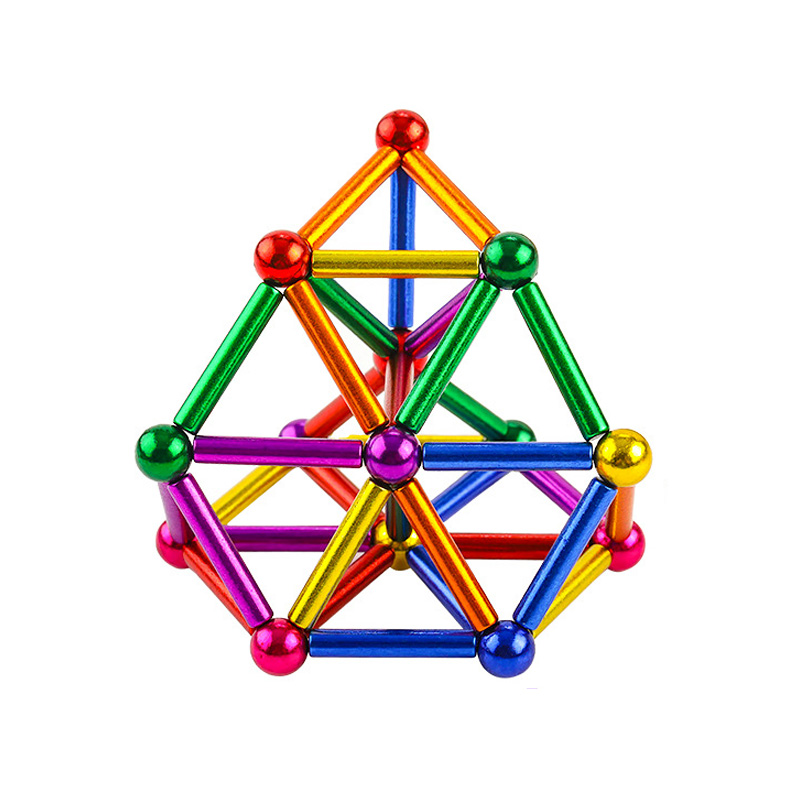
The Color Magnetic Stick and Bucky Ball Set is a versatile and engaging educational toy designed to enhance spatial imag...
See Details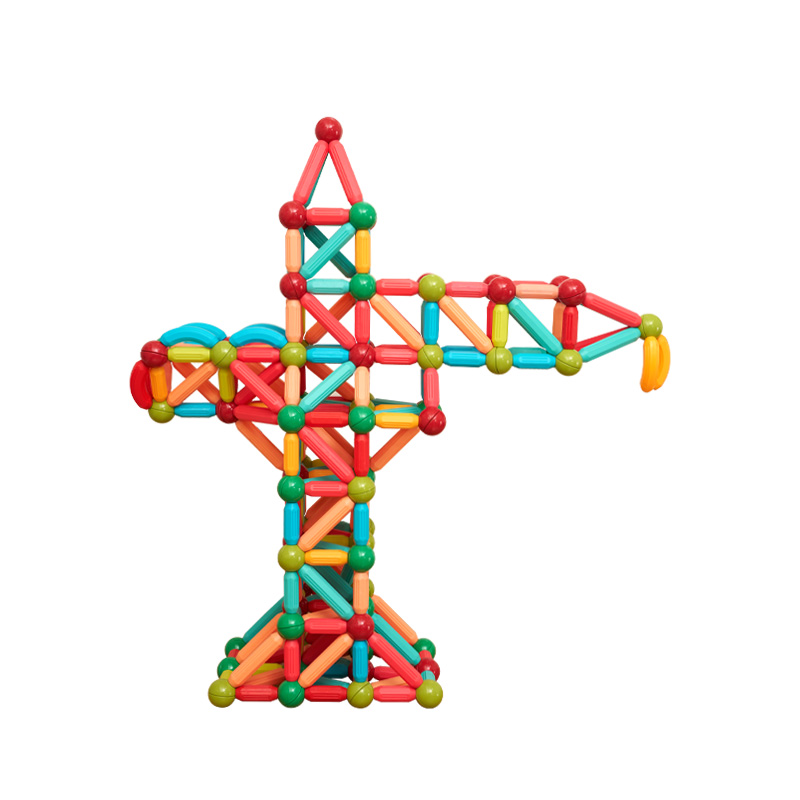
The Colorful Educational Magnetic Stick and Children's Magnetic Building Block Toy is an innovative and engaging toy des...
See Details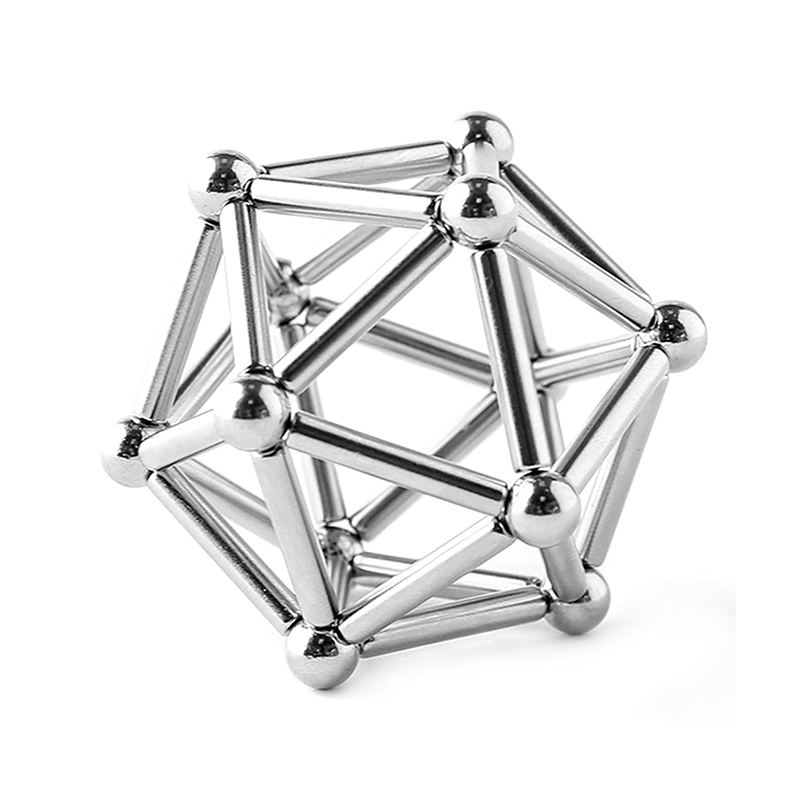
The Boxed Magnetic Stick and Bucky Ball Set is a versatile and engaging toy set designed for creativity and fun. This co...
See Details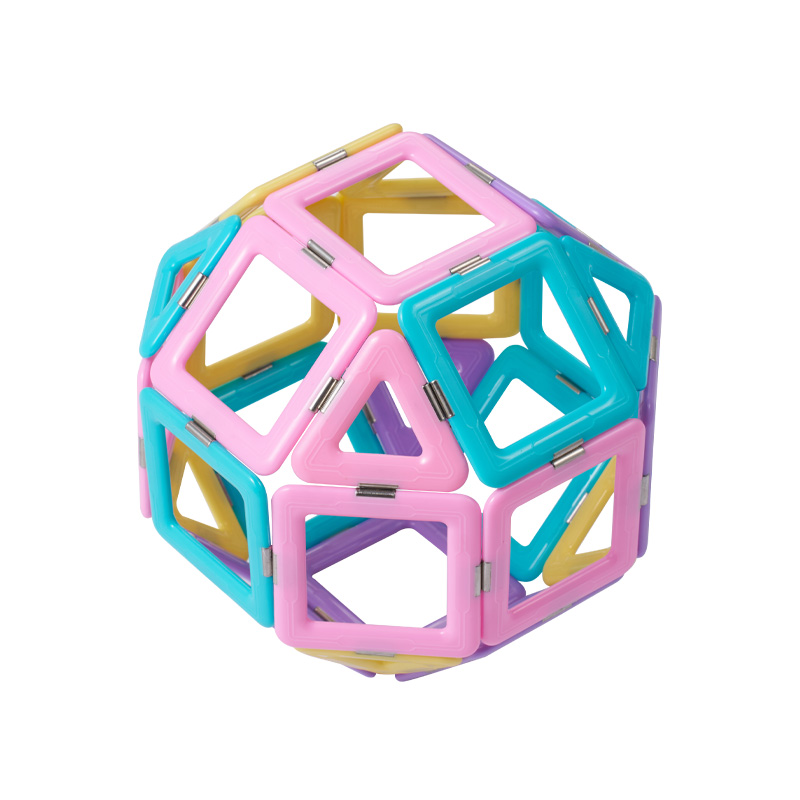
The Candy Color Magnetic Tiles Educational Toy for Children is an engaging and interactive set designed to promote creat...
See Details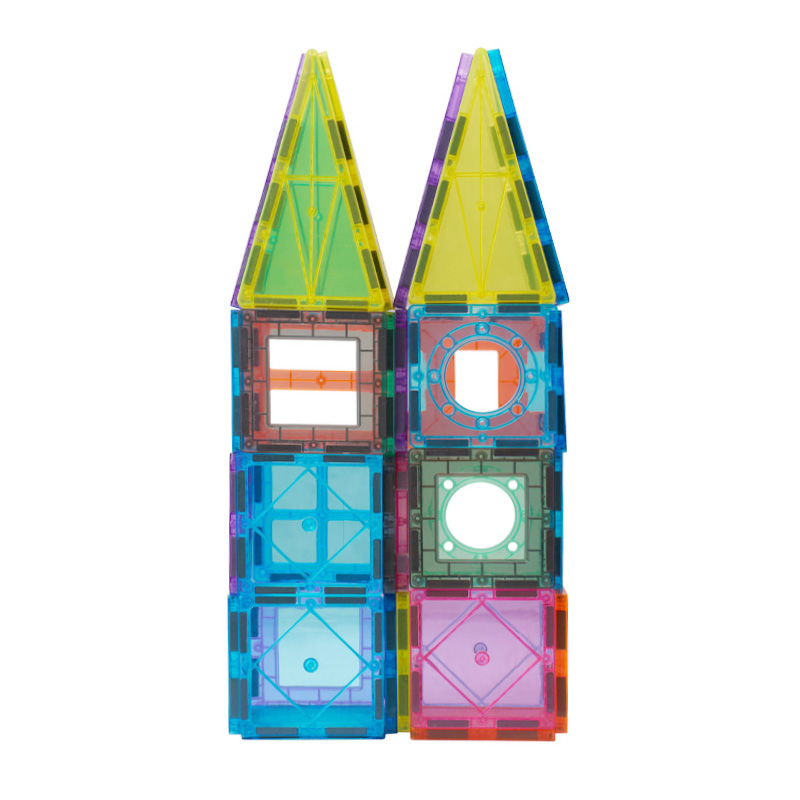
The Semi-transparent Color Window Magnetic Tiles are designed with ABS material, ensuring a smooth, rounded finish that ...
See Details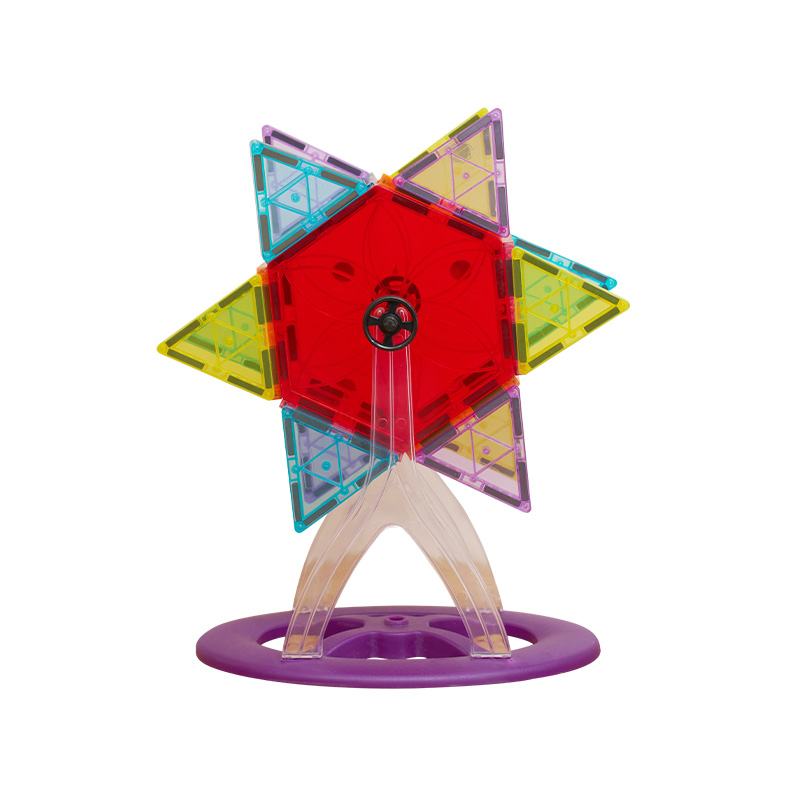
The Transparent Color Ferris Wheel Rotating Magnetic Tiles offer a creative and interactive play experience. Designed to...
See Details
Copyright © Jinhua Xinli Magnetic Industry and Trade Co., Ltd. All Rights Reserved.

Magnet Easy Toy Manufacturer