
 English
 русский
 Español
Color Magnetic Stick And Buck Ball Set, Educational Decompression And Multi-Shape Building Block Toy
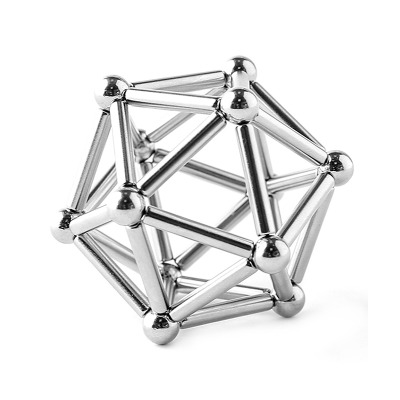
The Color Magnetic Stick and Bucky Ball Set is a versatile and engaging educational toy designed to enhance spatial imag...
See Details
Magnetic cube-based building toys have gained attention for their unique three-dimensional construction experience. Solid Color Magnetic Block Cubes stand out because of their dense structure and uniform geometry, which changes how children perceive balance, stacking, and stability during play. Unlike flat magnetic tiles, cube-style blocks introduce weight distribution across all six sides. This structure creates a different building behavior that many users compare with traditional magnetic sheets or rod-based systems. Discussions across parent reviews and community forums often focus on whether cube formats improve stability or simply change the visual style of construction. Observations from user feedback indicate that stability perception depends on magnet strength, internal alignment, and cube density rather than appearance alone. Some sets feel firm and structured, while others lean toward lighter and more flexible builds that collapse under pressure.
Solid magnetic cubes differ from flat tile systems because force is distributed across multiple faces rather than a single connection edge. This structure creates unique mechanical characteristics:
Structural rigidity becomes more noticeable because cube shapes naturally resist deformation along straight axes. However, user reviews also show that not all cube sets behave the same way. Some products feel stable during simple stacking but weaken under extended multi-layer constructions, especially when magnet strength is inconsistent.
Cube stability depends heavily on internal magnet arrangement rather than external appearance.
Precise magnet placement influences how cubes connect and hold weight.
Community feedback frequently mentions that weaker magnetic force can cause structures to collapse prematurely, especially during taller builds or uneven layouts.
Cube durability is also influenced by plastic shell design. Common materials include ABS plastic with reinforced inner chambers. Key properties:
A thinner shell may reduce weight but can negatively affect long-term structural reliability.
Parents and users often evaluate solid magnetic cubes based on daily play performance rather than theoretical strength. Common concerns include:
Some reviews describe lighter cube sets as enjoyable but less stable during complex constructions, while denser designs provide better stacking confidence but reduce ease of handling. Another frequently discussed issue is size variation. Even small differences in cube dimensions can affect alignment, especially in larger builds where precision becomes more important.
Solid magnetic cubes are often used for more structured and grid-based designs compared with flat tile systems. Typical building styles include:
Grid logic thinking becomes more natural because cube units align with coordinate-based construction methods. Educational discussions around magnetic cubes often highlight their role in early STEM learning, especially in introducing symmetry, balance, and spatial reasoning.
Safety remains a key topic in magnetic cube discussions, particularly regarding internal magnet sealing. Industry and consumer concerns typically include:
Proper sealing prevents magnets from becoming loose during long-term use.
Regulatory attention on magnetic toys has increased due to ingestion risks associated with loose magnets, making secure construction a critical product requirement in many regions.
Repeated assembly and disassembly cycles test both plastic integrity and magnet strength. High-quality cube systems are expected to maintain consistent attraction force even after extended usage periods.
Solid Color Magnetic Block Cubes introduce a more structured approach to magnetic building compared with flat or rod-based systems. Their behavior is shaped by geometry, internal magnet precision, and material density rather than surface design alone. Stability is not guaranteed by appearance; instead, it depends on how well internal components are engineered to maintain consistent force distribution. This format encourages more grid-oriented thinking, where construction relies on predictable alignment and repeatable unit structures. The result is a building experience that feels more architectural and mathematical, while still maintaining creative freedom within a controlled spatial system.
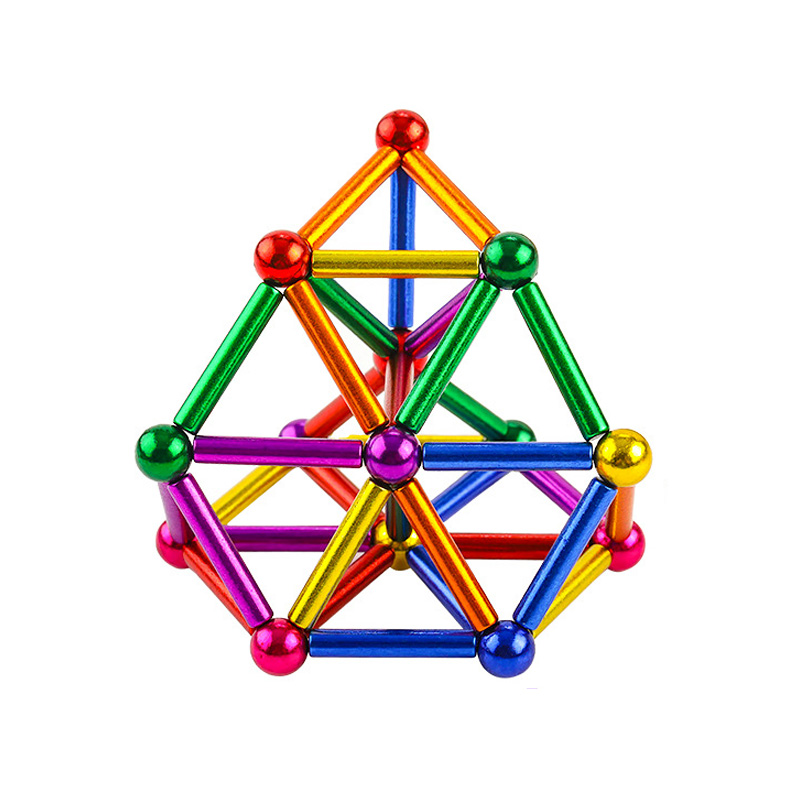
The Color Magnetic Stick and Bucky Ball Set is a versatile and engaging educational toy designed to enhance spatial imag...
See Details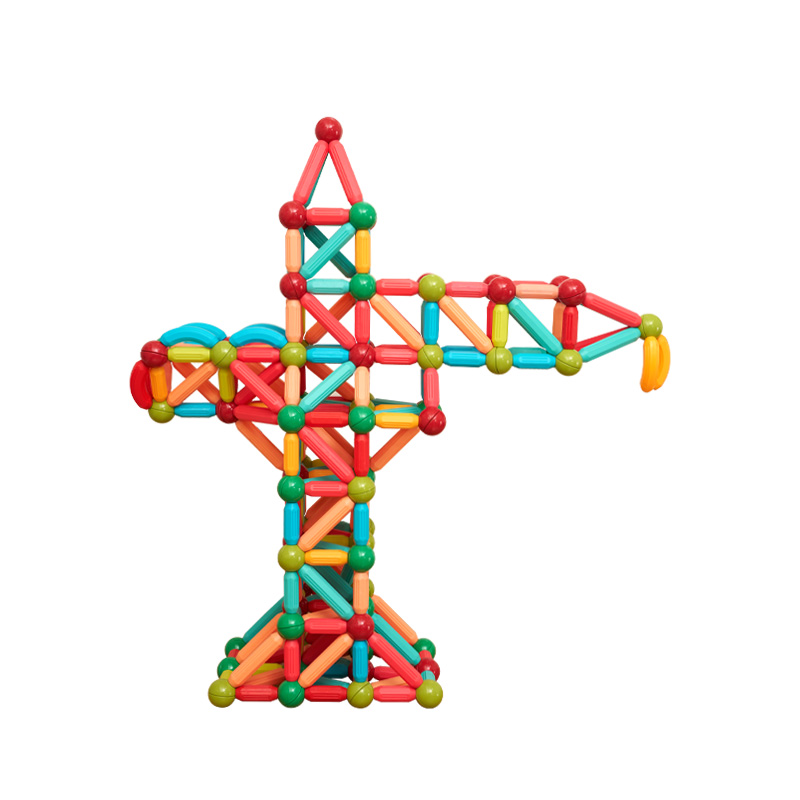
The Colorful Educational Magnetic Stick and Children's Magnetic Building Block Toy is an innovative and engaging toy des...
See Details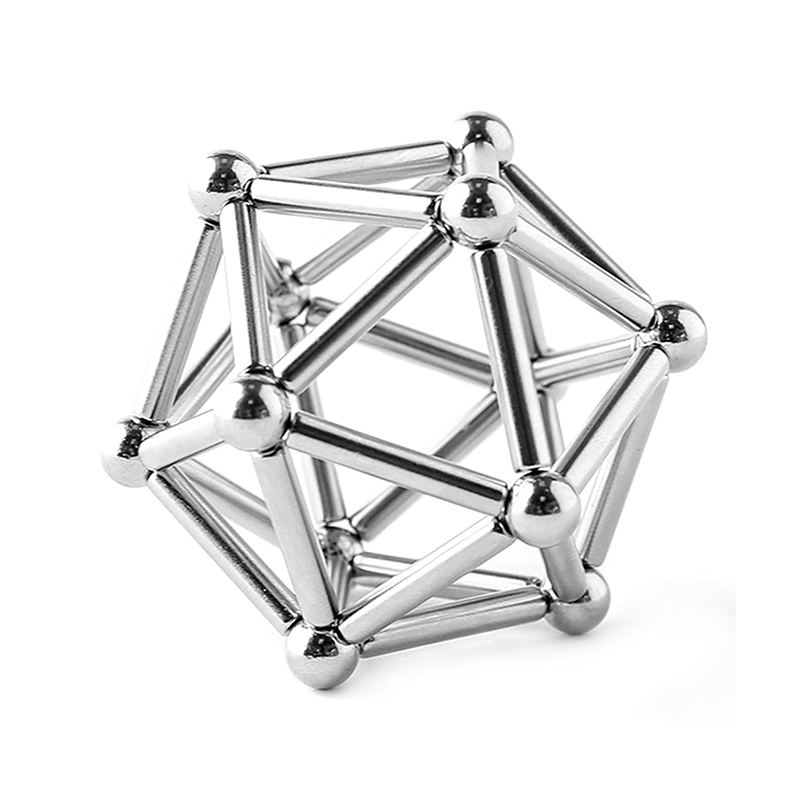
The Boxed Magnetic Stick and Bucky Ball Set is a versatile and engaging toy set designed for creativity and fun. This co...
See Details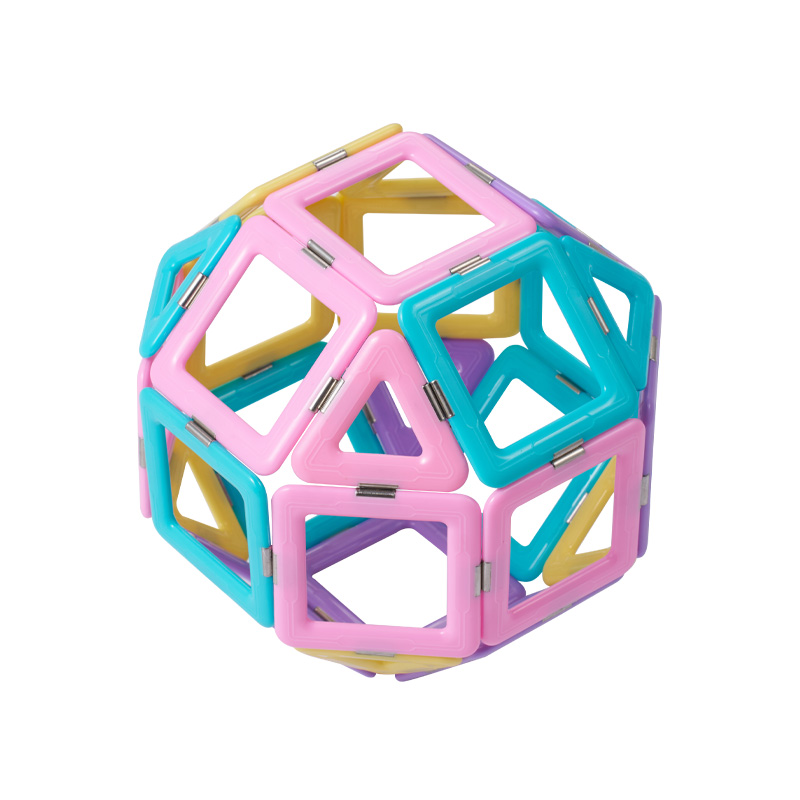
The Candy Color Magnetic Tiles Educational Toy for Children is an engaging and interactive set designed to promote creat...
See Details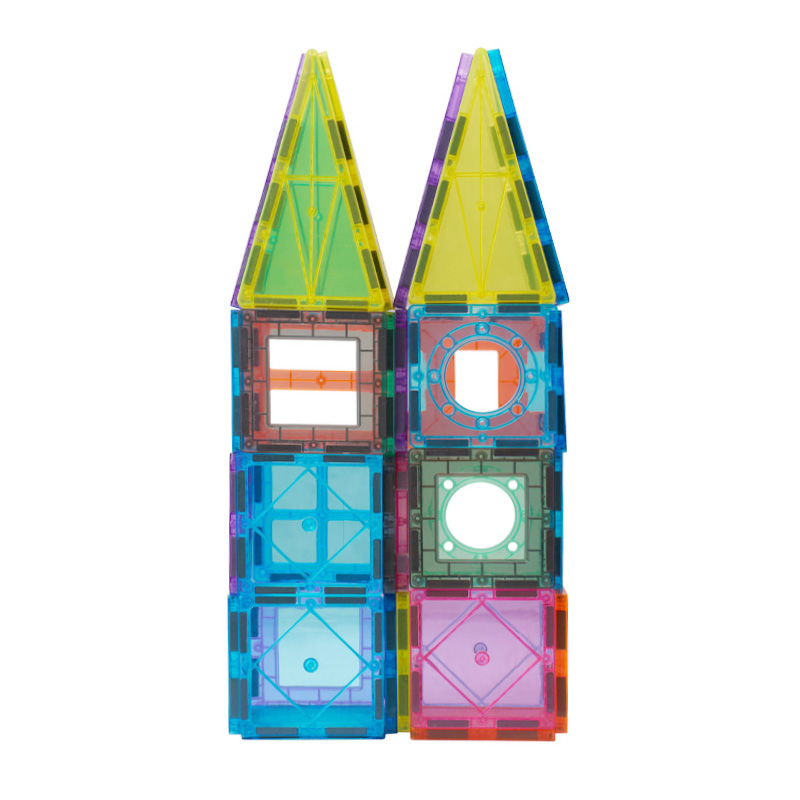
The Semi-transparent Color Window Magnetic Tiles are designed with ABS material, ensuring a smooth, rounded finish that ...
See Details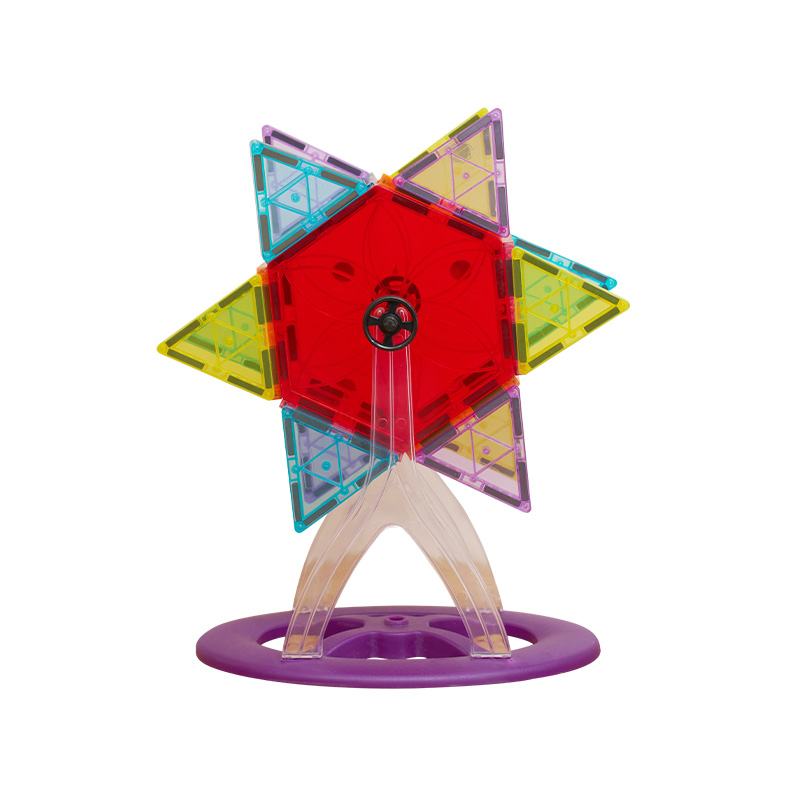
The Transparent Color Ferris Wheel Rotating Magnetic Tiles offer a creative and interactive play experience. Designed to...
See Details
Copyright © Jinhua Xinli Magnetic Industry and Trade Co., Ltd. All Rights Reserved.

Magnet Easy Toy Manufacturer