
 English
 русский
 Español
Color Magnetic Stick And Buck Ball Set, Educational Decompression And Multi-Shape Building Block Toy
The Color Magnetic Stick and Bucky Ball Set is a versatile and engaging educational toy designed to enhance spatial imag...
See Details
Traditional puzzles usually ask children to find where each piece belongs. Magnetic puzzle blocks add another dimension to that experience. Instead of completing only a flat picture, children can connect geometric pieces, rotate them, and transform a two-dimensional arrangement into a three-dimensional object.
This change makes the puzzle experience more active. Children are not simply matching colors or images. They are thinking about direction, shape, position, connection, and the space occupied by a finished structure.
Flat puzzle solving and 3D construction require different types of visual thinking. Magnetic pieces allow both activities to exist within the same play session.
Research-oriented product descriptions and educational resources commonly connect magnetic construction activities with spatial reasoning, geometry, pattern recognition, and shape composition.
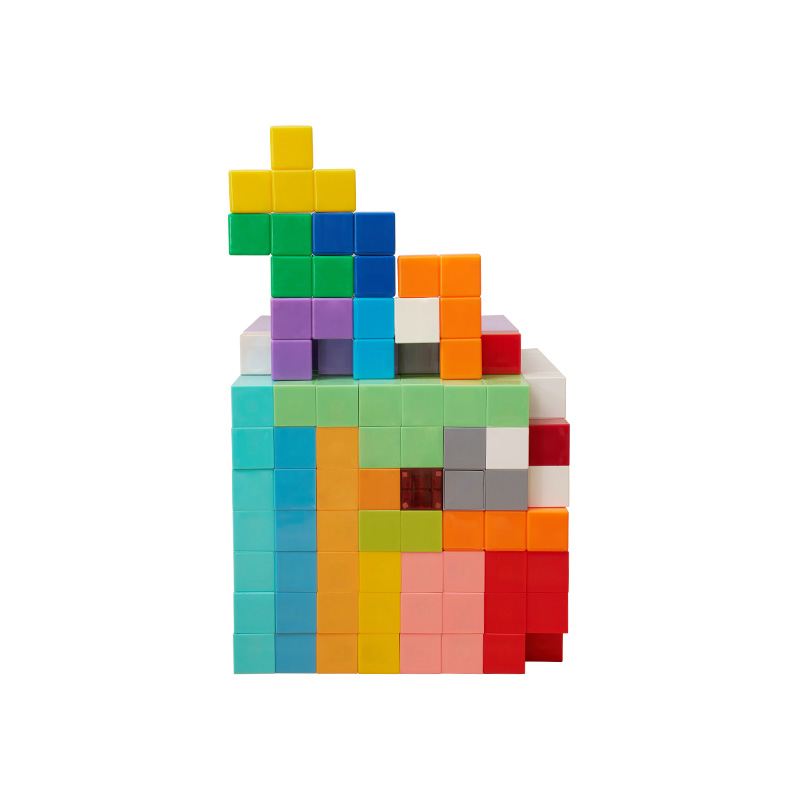
Loose puzzle pieces normally stay on a flat surface. Magnetic connections allow pieces to remain attached from different directions, so children can build upward as well as outward.
That feature creates a different type of puzzle experience. A child may begin with a flat square, add several triangles, and gradually discover that the same pieces can form a closed 3D structure. The magnetic connection provides immediate physical feedback, helping children understand whether their planned arrangement can actually work.
Challenge cards can also create a gradual increase in difficulty. Some magnetic construction systems use cards that begin with simple two-dimensional patterns before moving toward three-dimensional structures.
More components do not automatically create a richer puzzle experience. Shape variety can have a stronger influence on the number of possible configurations.
Current magnetic pattern-building products demonstrate this approach. Some sets contain six shapes and six colors, while larger magnetic tile sets can combine squares and several triangle formats for broader construction options.
Construction quality also affects how comfortably children can solve magnetic puzzles. Several product characteristics deserve attention:
Some products currently offer sets ranging from around 40 pieces to more than 100 components, while magnetic puzzle systems may also include dedicated challenge cards or accessories.
The same magnetic puzzle set can support different activities as children develop. Younger users may focus on color matching, basic shapes, and simple flat patterns. Older children can attempt multi-layer structures, symmetry tasks, enclosed shapes, or models that require several construction steps.
Product age guidance commonly starts around 3 years for magnetic tile systems, with some preschool-oriented products designed around simpler shapes and visual challenges.
Magnetic puzzle blocks create a bridge between traditional puzzle solving and open-ended construction. Their appeal comes from the ability to solve a problem and then transform the solution into something new.
One completed model can become the starting point for another challenge. Rotate it, remove a piece, change the shape, or rebuild it with fewer components. Such flexibility gives magnetic puzzles a longer creative path than a fixed picture that has only one finished arrangement.
That combination of puzzle logic, geometric movement, and 3D construction makes magnetic puzzle blocks an interesting format for children who enjoy both solving and building.
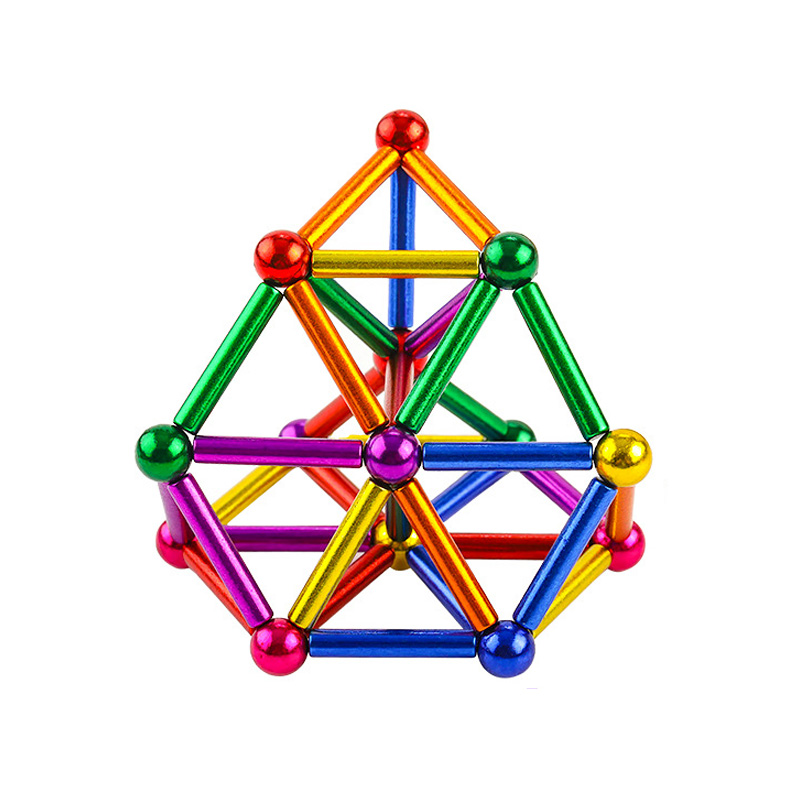
The Color Magnetic Stick and Bucky Ball Set is a versatile and engaging educational toy designed to enhance spatial imag...
See Details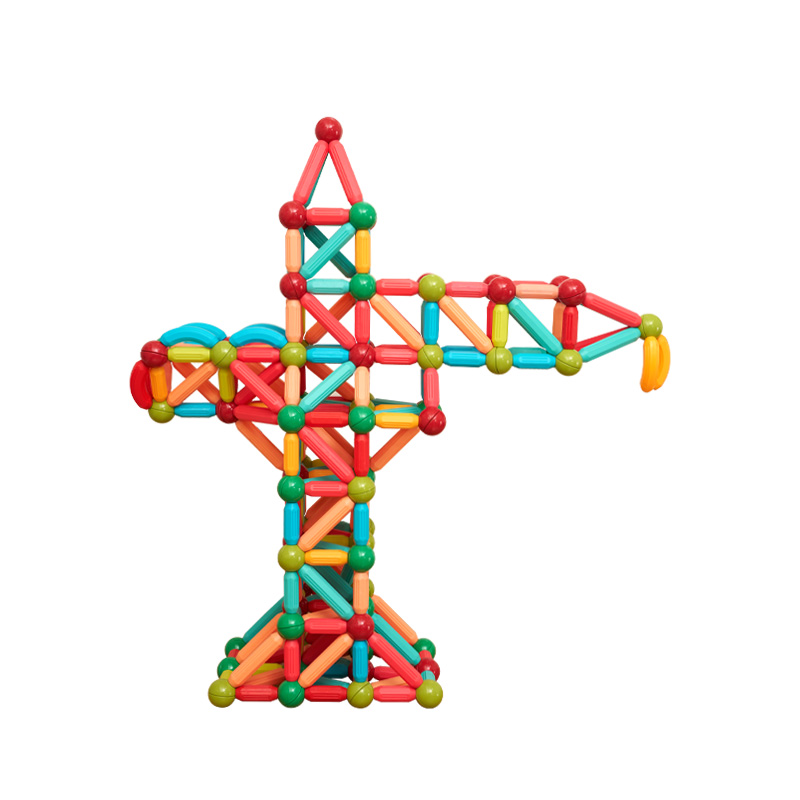
The Colorful Educational Magnetic Stick and Children's Magnetic Building Block Toy is an innovative and engaging toy des...
See Details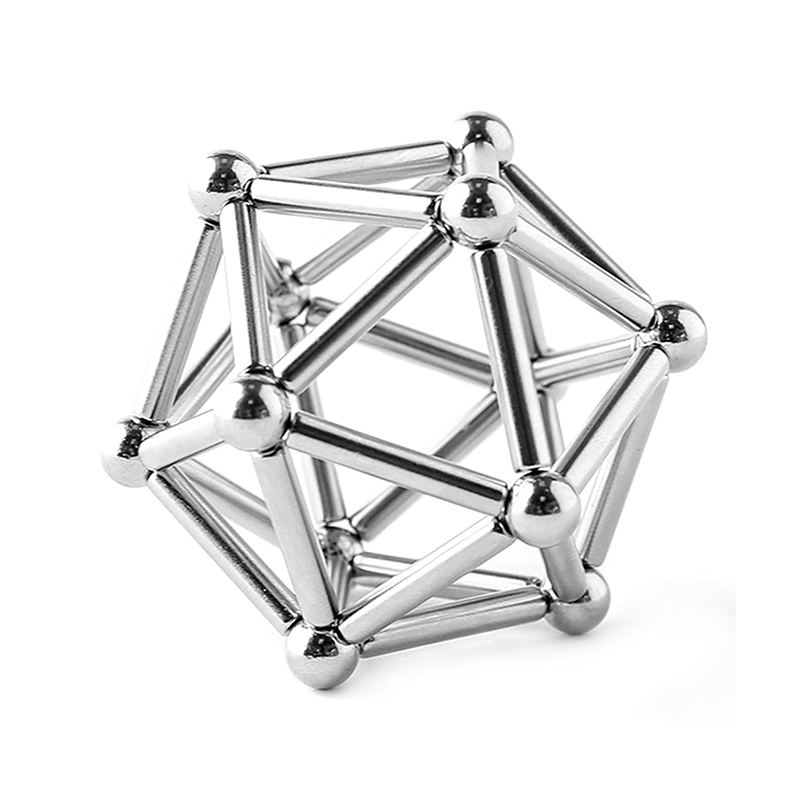
The Boxed Magnetic Stick and Bucky Ball Set is a versatile and engaging toy set designed for creativity and fun. This co...
See Details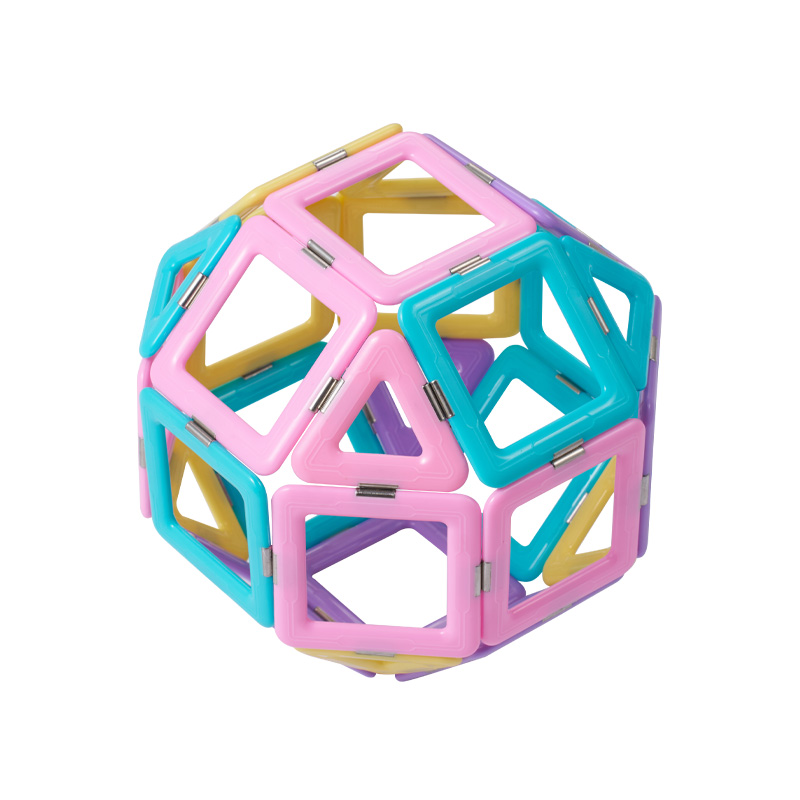
The Candy Color Magnetic Tiles Educational Toy for Children is an engaging and interactive set designed to promote creat...
See Details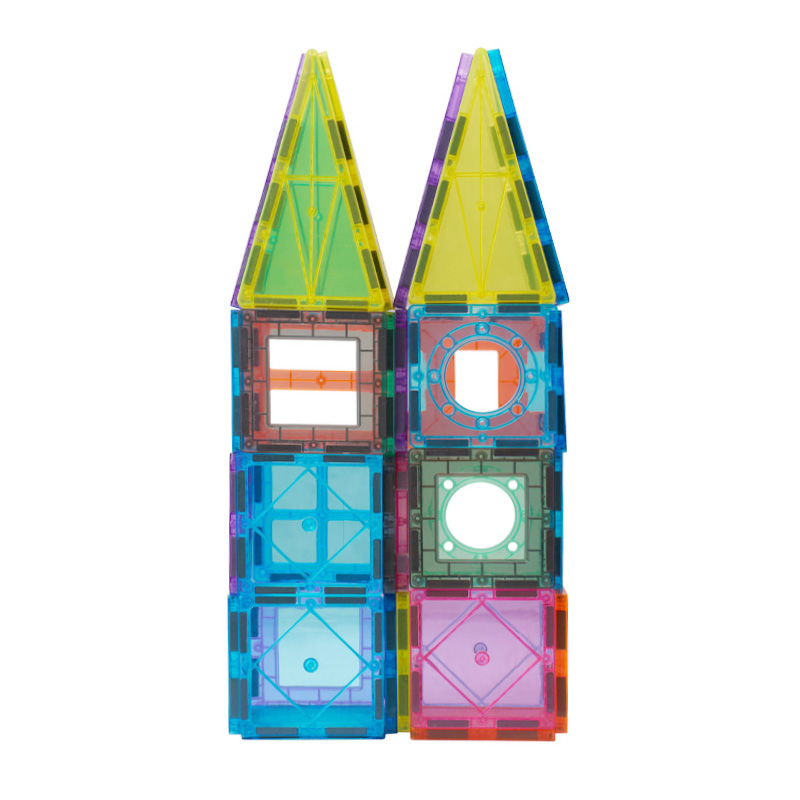
The Semi-transparent Color Window Magnetic Tiles are designed with ABS material, ensuring a smooth, rounded finish that ...
See Details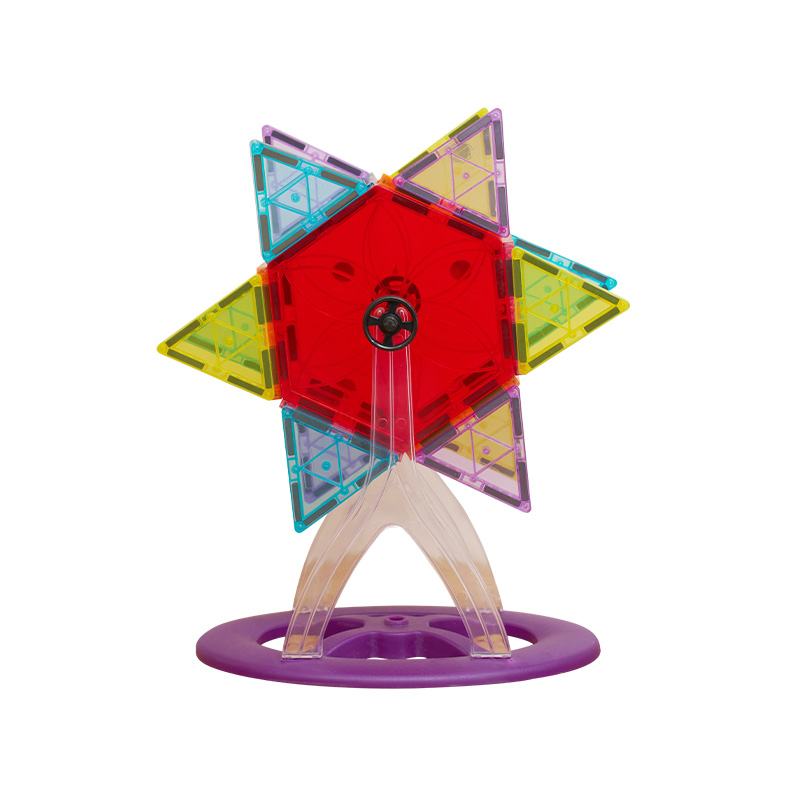
The Transparent Color Ferris Wheel Rotating Magnetic Tiles offer a creative and interactive play experience. Designed to...
See Details
Copyright © Jinhua Xinli Magnetic Industry and Trade Co., Ltd. All Rights Reserved.

Magnet Easy Toy Manufacturer