
 English
 русский
 Español
Color Magnetic Stick And Buck Ball Set, Educational Decompression And Multi-Shape Building Block Toy
The Color Magnetic Stick and Bucky Ball Set is a versatile and engaging educational toy designed to enhance spatial imag...
See Details
Children often lose interest in toys that offer only one fixed activity. Creative educational toys take a different approach by giving children materials that can become something new during every play session. Building pieces may become a house today, a vehicle tomorrow, and part of an imaginary city later.
This flexibility makes the product itself part of the creative process. Rather than simply following a finished example, children can decide what to build, how to combine components, and what happens next.
Open-ended toys do not require a single finished result. Children can use the same components for construction, storytelling, sorting, role play, or simple challenges. Such flexibility gives a toy more ways to remain relevant as interests and abilities develop.
Educational resources describe open-ended materials as useful tools for creativity and problem-solving because children have to decide how materials can be combined and what they can become.
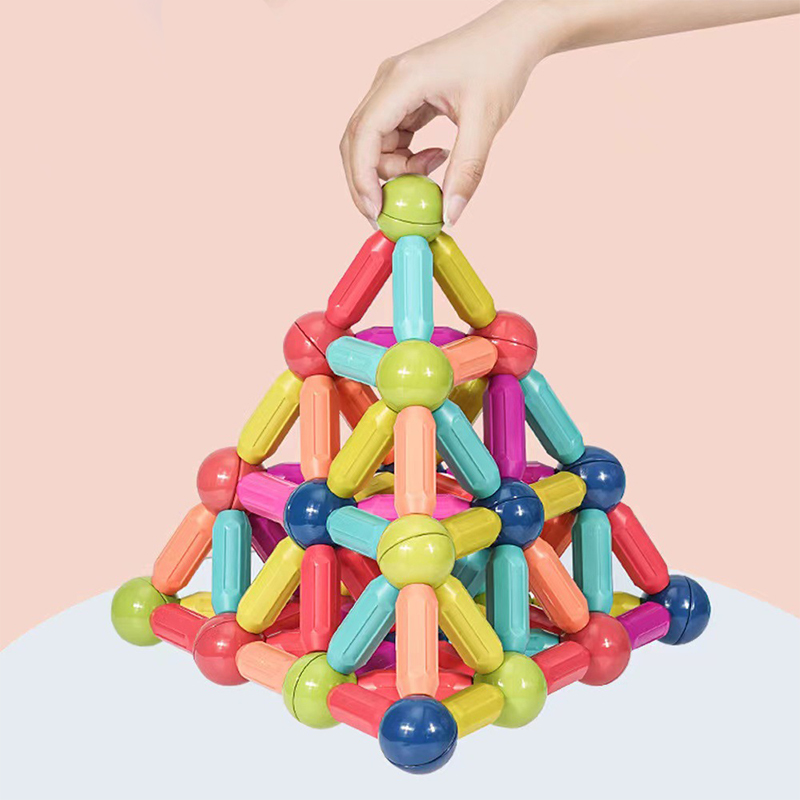
Creativity does not necessarily come from adding more functions. Product design can instead provide a simple set of components with enough flexibility to support different activities.
Building sets are particularly suitable for this type of play because the same physical materials can support different solutions. Research on toys as instructional tools also identifies blocks and building sets as materials with strong potential for creative and divergent thinking.
Open-ended products do not have to leave children without direction. A short challenge can provide a starting point while leaving the final result completely open.
Such prompts give children an entry point while preserving freedom. The activity becomes less about reproducing an adult-designed object and more about developing an original idea.
The usefulness of creative educational toys can change as children develop. Younger children may focus on stacking, matching, connecting, and simple color patterns. Preschool users can introduce pretend scenarios, while older children may create larger structures, stories, games, or multi-step projects.
Cornell Cooperative Extension gives a useful example of this progression: toddlers may stack blocks, preschool children can turn those blocks into roads or towns, and older children may use similar materials to construct elaborate environments.
Manufacturers can build creative potential into the physical characteristics of the toy. Several details deserve attention during product development:
Product systems that grow through additional components can also support increasingly complex combinations. This gives children an opportunity to move from basic shapes toward larger collaborative creations.
Children need opportunities to make changes rather than simply reach a predetermined result. A tower can become a bridge. A bridge can become part of a city. A city can become the setting for a story.
That chain of transformations is where creative educational toys gain their value. The physical product provides the materials, while children supply the ideas, rules, characters, and objectives.
The appeal of an open-ended educational toy comes from what happens after the original activity is finished. Instead of returning to the same fixed function, children can reinterpret the components and create another use.
Products built around flexible construction, imaginative play, and multiple combinations can therefore support a changing play experience. Such designs give children space to invent, modify, test, and tell their own stories—turning a simple toy set into a platform for continuous creative exploration.
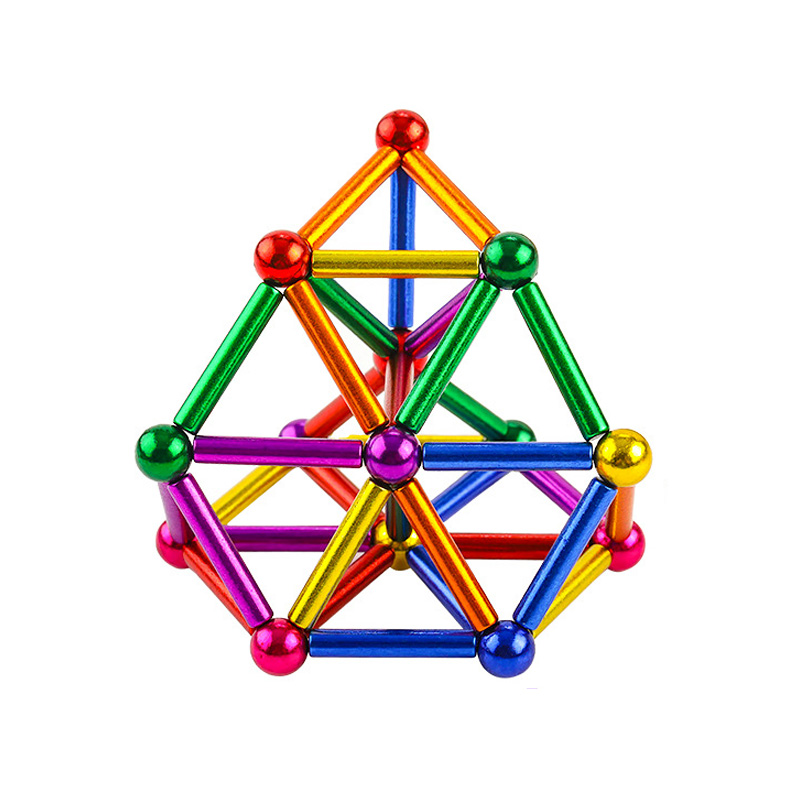
The Color Magnetic Stick and Bucky Ball Set is a versatile and engaging educational toy designed to enhance spatial imag...
See Details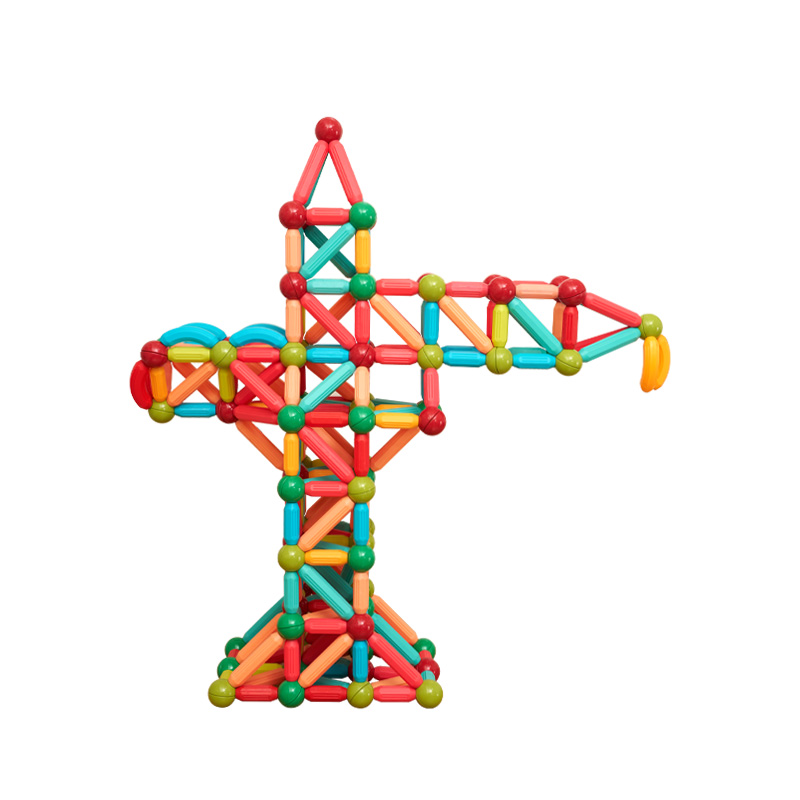
The Colorful Educational Magnetic Stick and Children's Magnetic Building Block Toy is an innovative and engaging toy des...
See Details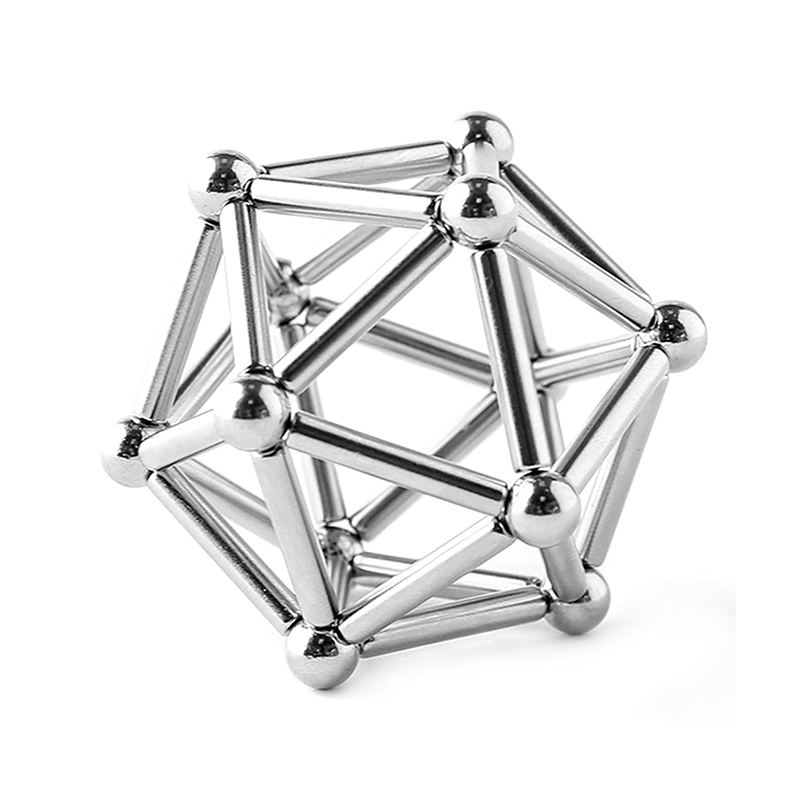
The Boxed Magnetic Stick and Bucky Ball Set is a versatile and engaging toy set designed for creativity and fun. This co...
See Details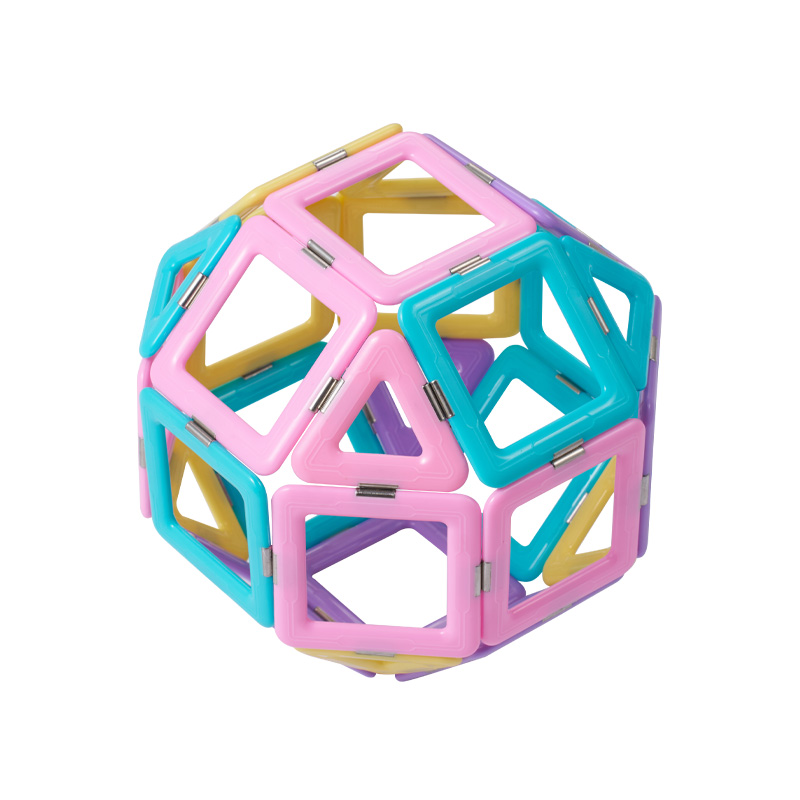
The Candy Color Magnetic Tiles Educational Toy for Children is an engaging and interactive set designed to promote creat...
See Details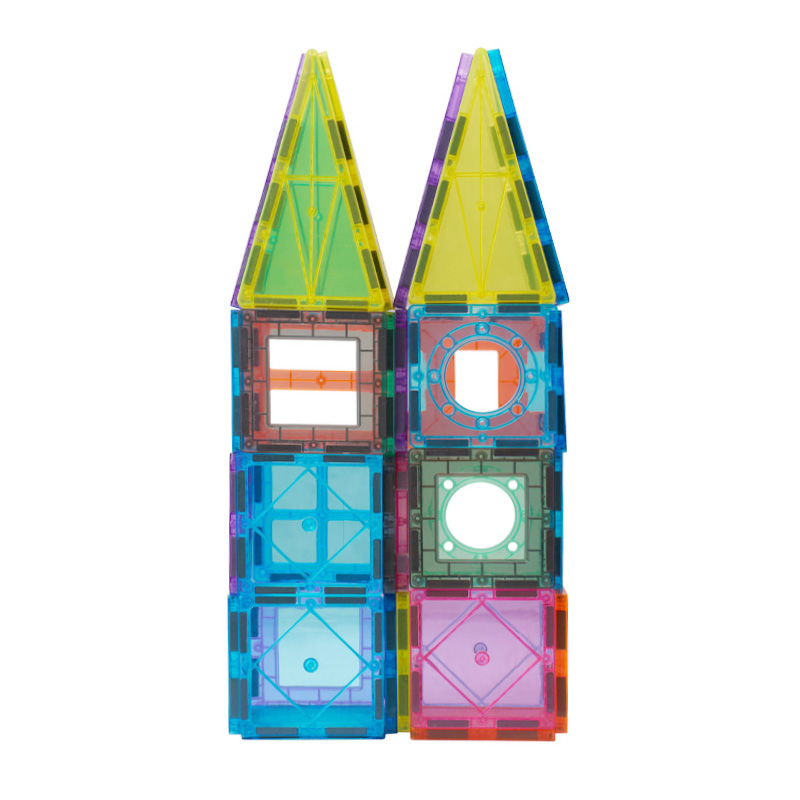
The Semi-transparent Color Window Magnetic Tiles are designed with ABS material, ensuring a smooth, rounded finish that ...
See Details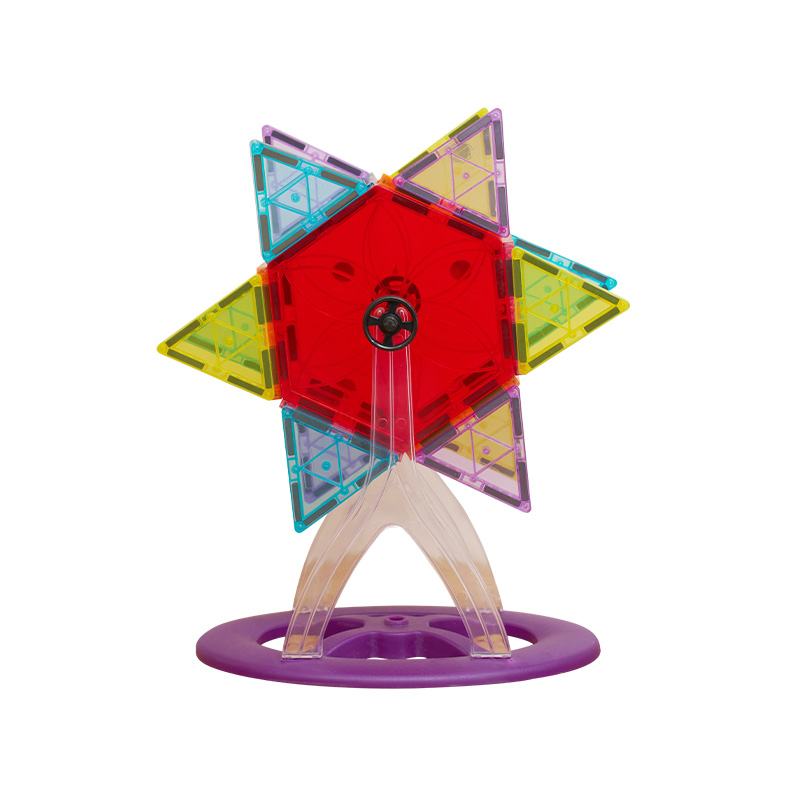
The Transparent Color Ferris Wheel Rotating Magnetic Tiles offer a creative and interactive play experience. Designed to...
See Details
Copyright © Jinhua Xinli Magnetic Industry and Trade Co., Ltd. All Rights Reserved.

Magnet Easy Toy Manufacturer